
The Story of The Father
The Father follows Anthony Hopkins as an octogenarian living in London who's becoming increasingly difficult to live with. His daughter Anne (Olivia Colman) tries to help manage his life, but he refuses assistance at nearly every turn—he doesn't need a carer, doesn't want to move out of his flat, and certainly isn't going to admit that anything's wrong with him. What unfolds isn't a straightforward narrative about aging and decline, though. Instead, Zeller constructs something far more unsettling: a film that gradually pulls the audience into the disorientation of dementia itself. Nothing stays put. People change. Rooms rearrange. Time collapses. By the time you realize what's happening, you're as confused as he is—and that's entirely the point.
Behind the Making of The Father
Florian Zeller, a French-British playwright, made his feature film directorial debut here, adapting his own 2012 play Le Père alongside screenwriter Christopher Hampton. This is significant because Zeller's intimate knowledge of the source material—he'd lived with these characters and this story for years on stage—translates into a film that never feels like a theatrical transplant, despite its theatrical DNA. The production itself was a French-British co-production, giving it a distinctly European sensibility even as it's set in a London apartment.
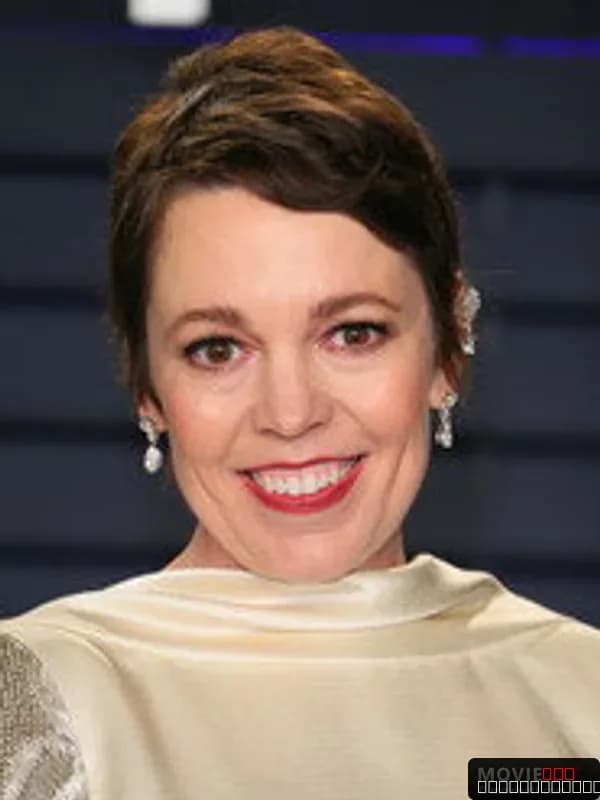
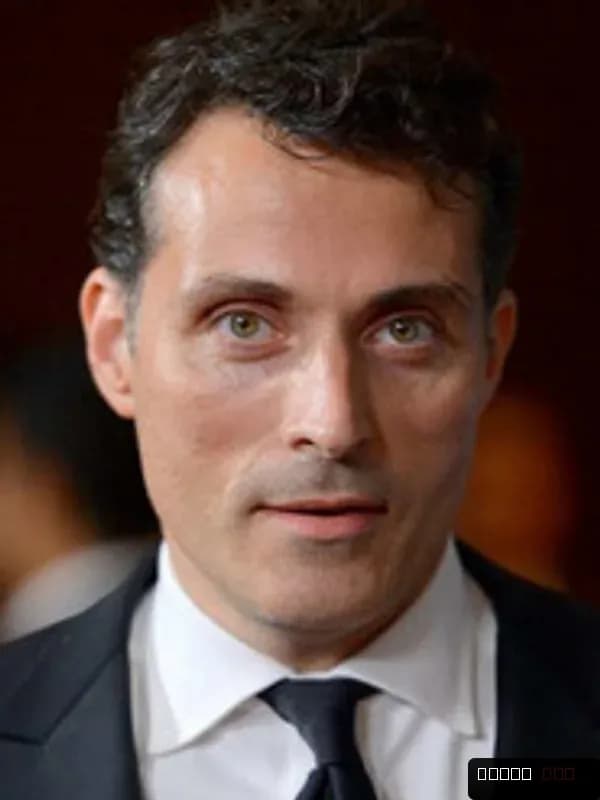
The casting alone signals ambition. Hopkins, then 82, was coming off a quieter period in his career; this role reminded the world why he's one of cinema's greatest living actors. Olivia Colman, fresh from her Oscar win for The Favourite, plays his daughter with a kind of exhausted grace—she's the audience's emotional anchor, even as the film systematically destabilizes everything around her. The ensemble also includes Mark Gatiss, Imogen Poots, Rufus Sewell, and Olivia Williams, each playing variations on family members and carers whose identities blur and shift as the narrative fractures.
At the box office, The Father earned $2.1 million—a modest figure that reflects its limited theatrical run during the pandemic, not a lack of quality. What it lacked in commercial reach, it made up for in critical and awards recognition. The film won two Academy Awards, including Best Actor for Hopkins and Best Adapted Screenplay for Zeller and Hampton. It earned 39 wins and 171 nominations across the awards circuit. Critics were nearly unanimous: a 98% Fresh rating on Rotten Tomatoes, an 88 Metascore, and an 8.2/10 on IMDb from nearly 241,000 voters. The MPAA rated it PG-13, which feels almost generous given the emotional weight it carries.
What Makes The Father Stand Out
What's striking about The Father is how it refuses to make dementia palatable or inspirational. There's no moment where the protagonist accepts his condition, no tearful reconciliation that ties everything up. Instead, Zeller commits fully to the experience of cognitive decline—the rage, the confusion, the stubborn denial. Hopkins doesn't play a man gracefully aging; he plays a man terrified and furious, clinging to an identity that's slipping away. It's uncomfortable to watch, which is precisely why it works.
Reviewers consistently noted that the film creates an immersive experience of dementia rather than simply depicting it from the outside. The editing, the sound design, the way scenes repeat with slight variations—these aren't stylistic flourishes, they're structural choices that force you to experience disorientation rather than observe it. One scene might play out with Anne in the room; minutes later, a nearly identical scene unfolds with a different character, or in a different configuration, leaving you scrambling to understand what's real and what's been misremembered. It's maddening. It's brilliant.
Colman's performance anchors the emotional core. She's playing a woman trying to help someone who won't accept help, trying to maintain her own life while watching her father disappear—and she does this with such restraint that you feel the toll without her ever quite breaking down. The supporting cast, meanwhile, becomes part of the disorientation; actors play multiple roles, or the same role seems played by different actors, and you're never quite sure if you're misremembering or if the film itself is gaslighting you. This is filmmaking as empathy, not explanation.
Where to Stream The Father Online
If you're ready to experience this film, The Father is currently available on Prime Video. You can check Movie OTT for the most up-to-date streaming availability, as platforms rotate titles regularly. Since this is a 96-minute film with a PG-13 rating, it's accessible in terms of length and content restrictions, though emotionally it's anything but light. The intimacy of watching it at home—in your own space, on your own terms—actually suits the material, though be warned: this isn't comfort viewing.
Frequently asked questions
Q: Is The Father based on a true story?
No, The Father is based on Florian Zeller's 2012 play Le Père, which he co-adapted for the screen with Christopher Hampton. While the story isn't autobiographical, Zeller's deep familiarity with the material gives it an authenticity that resonates with anyone who's witnessed dementia in a family member.
Q: Who directed The Father?
Florian Zeller made his feature film directorial debut with The Father. He's a French-British playwright who'd written and developed the original stage play, giving him complete creative ownership over the adaptation.
Q: Did The Father win any major awards?
Yes. The Father won two Academy Awards—Best Actor for Anthony Hopkins and Best Adapted Screenplay for Florian Zeller and Christopher Hampton. It earned 39 wins and 171 nominations across major awards ceremonies, including Golden Globes and BAFTAs.
Q: What's the runtime of The Father?
The Father runs 96 minutes, making it a lean, focused film that doesn't waste a moment. Every scene serves the disorientation the narrative is building toward.
Q: Is The Father difficult to watch?
Yes—not because of violence or explicit content (it's rated PG-13), but because it refuses to sentimentalize or simplify dementia. It's emotionally demanding and structurally challenging, but that's what makes it powerful.
Final Thoughts on The Father
This is one of those rare films that doesn't just tell you about something; it makes you feel it in your bones. Hopkins delivers what might be his finest performance—a masterclass in vulnerability and rage. Colman matches him every step of the way. Zeller's direction is assured and purposeful, never showy. If you've ever watched someone you love lose themselves to cognitive decline, you'll recognize the particular cruelty of this film. If you haven't, it'll prepare you for the possibility with a kind of compassionate honesty that cinema rarely achieves. Don't miss it.