
What The FBI Story is about
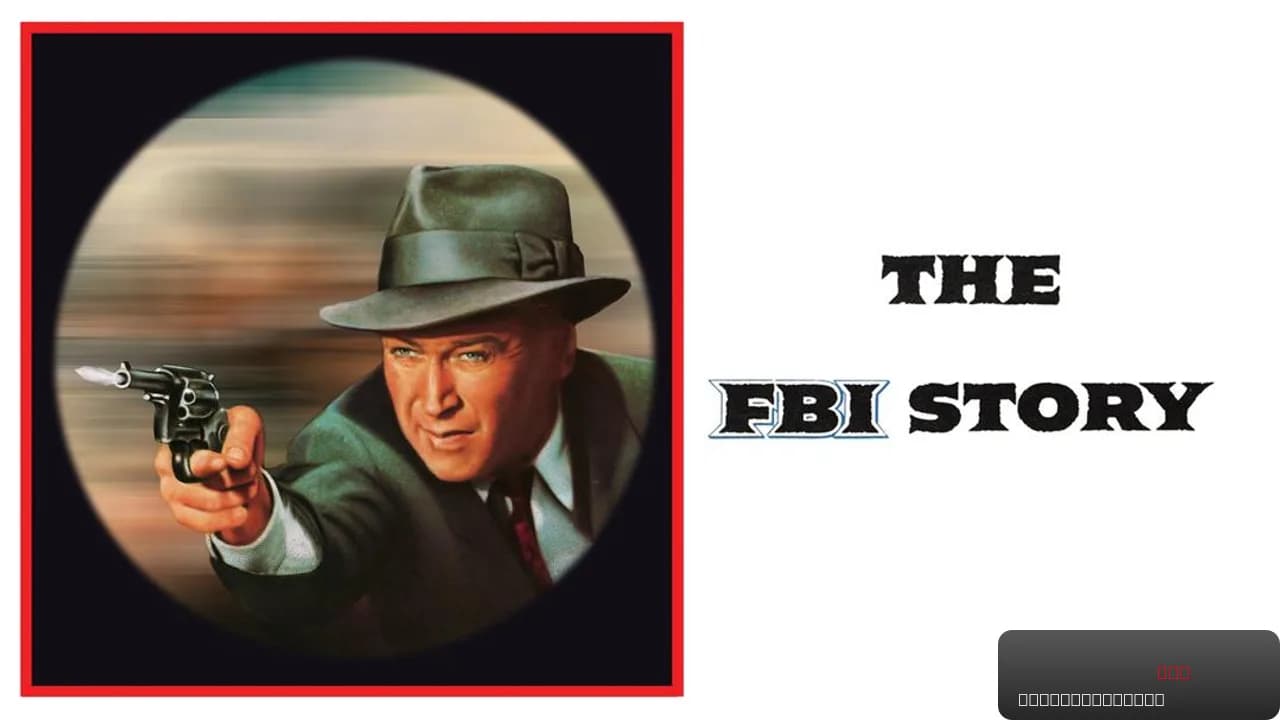
The FBI Story isn't your typical crime procedural. Director Mervyn LeRoy crafted something more ambitious—a sweeping historical narrative that traces the Federal Bureau of Investigation from its early days through the notorious gangster era, landing on the Dillinger case and beyond. James Stewart anchors the film as an FBI agent navigating the bureau's evolution, and the script, adapted from Don Whitehead's bestselling book by Richard L. Breen and John Twist, doesn't shy away from the messy, violent reality of federal law enforcement in America. It's a film that wants to show you how the FBI actually works, not just dramatize one sensational case. That ambition—that scope—is what sets it apart from the crime movies that came before it.
Behind the making of The FBI Story
Mervyn LeRoy was no stranger to prestige pictures when he took on The FBI Story in 1959. The legendary director had already made his mark with films like The Wizard of Oz and I Am a Fugitive from a Chain Gang, so his involvement immediately signaled that this wasn't just another B-picture. The screenplay drew directly from Don Whitehead's acclaimed work—Whitehead was a two-time Pulitzer Prize winner, lending the material real historical weight and credibility. James Stewart, already a Hollywood titan by the late 1950s, brought his characteristic everyman appeal to the lead role, supported by a solid ensemble cast including Vera Miles, Murray Hamilton, Larry Pennell, Nick Adams, and others who filled out the procedural landscape with believable conviction.
The film clocked in at 149 minutes—nearly two and a half hours—which was ambitious for a crime drama at the time. That runtime wasn't padding; LeRoy used it to trace decades of FBI history, moving from the bureau's uncertain early years through the gangster wars of the 1930s. The production values reflected the studio system at its height, with careful attention to period detail and the kind of craftsmanship that Movie OTT viewers often discover when exploring classic Hollywood crime dramas. While the film didn't become a massive box office phenomenon, it found an audience among viewers who appreciated its historical scope and Stewart's grounded performance.
Why The FBI Story stands out among crime dramas
What's striking about The FBI Story is how it refuses to sensationalize. Yes, there's the Dillinger era—the bank robberies, the shoot-outs, the manhunts—but LeRoy treats these moments as part of a larger institutional narrative. Stewart's character isn't a lone-wolf detective; he's a man working within a system, watching that system grow and adapt. That's a quieter kind of drama than most crime films attempt. The performances carry the weight of this approach. Stewart, in particular, doesn't play the role with flashy heroics—he's methodical, sometimes frustrated, always professional. Vera Miles brings intelligence and warmth to her scenes, grounding the domestic side of an FBI agent's life in ways that feel earned rather than sentimental.
The thing that doesn't always land, honestly, is the pacing. At nearly two and a half hours, the film can feel episodic—it's almost a series of cases strung together rather than one tight narrative arc. But that's also partly the point; the FBI Story is trying to show you how the bureau itself works across time, not just deliver one climactic confrontation. If you're patient with that structure, there's real substance here. The cinematography captures both the mundane office work and the violent action with equal care, and the script finds room for genuine character moments alongside the procedural elements. It's the kind of film that rewards viewers who come to it on its own terms, as a historical document wrapped in drama rather than pure entertainment.
Where to stream The FBI Story online
You've got several options for catching The FBI Story right now. The film is available on Max, HBO Max Amazon Channel, Apple TV Store, Prime Video, Google Play Movies, Fandango At Home, and YouTube. Whether you're a subscriber to one of the major platforms or you prefer to rent or purchase through digital storefronts, there's a path to watch it. Movie OTT tracks current streaming availability across all these services, so you can check the Where to Watch widget at the top of this page to see which option works best for your setup. It's one of those older films that's gotten solid digital distribution, so you won't have trouble finding it.
Frequently asked questions
Q: Is The FBI Story based on a true story?
Yes. The film is adapted from Don Whitehead's bestselling book and draws heavily on actual FBI history, including the famous manhunt for John Dillinger and other notorious cases from the bureau's early decades.
Q: Who directed The FBI Story?
Mervyn LeRoy directed the film. LeRoy was a legendary Hollywood director known for classics like The Wizard of Oz and I Am a Fugitive from a Chain Gang, so his involvement brought significant prestige to the project.
Q: How long is The FBI Story?
The film runs 149 minutes—just under two and a half hours—which was quite ambitious for a crime drama in 1959.
Q: What's the IMDb rating for The FBI Story?
The film holds a 6.3 out of 10 on IMDb, reflecting a mixed but respectful reception from audiences who appreciate its historical scope even if they find its pacing uneven.
Q: Where can I watch The FBI Story?
The FBI Story is currently available on multiple platforms including Max, Prime Video, Apple TV Store, Google Play Movies, YouTube, and others. Check the streaming widget on this page for current availability in your region.
Final thoughts on The FBI Story
The FBI Story is a film for viewers who want something more than just thrills. It's a historical epic wrapped in a crime drama package—ambitious, methodical, and occasionally slow, but never cynical about its subject matter. James Stewart and Mervyn LeRoy's commitment to the material shows in every frame. If you appreciate Golden Age Hollywood craftsmanship and don't mind a movie that takes its time building a portrait of an institution, it's absolutely worth your time. It's the kind of film that's easy to overlook in streaming libraries, but it rewards the viewer who takes a chance on it.