
The Story of The Fearmaker: Homecoming and Betrayal
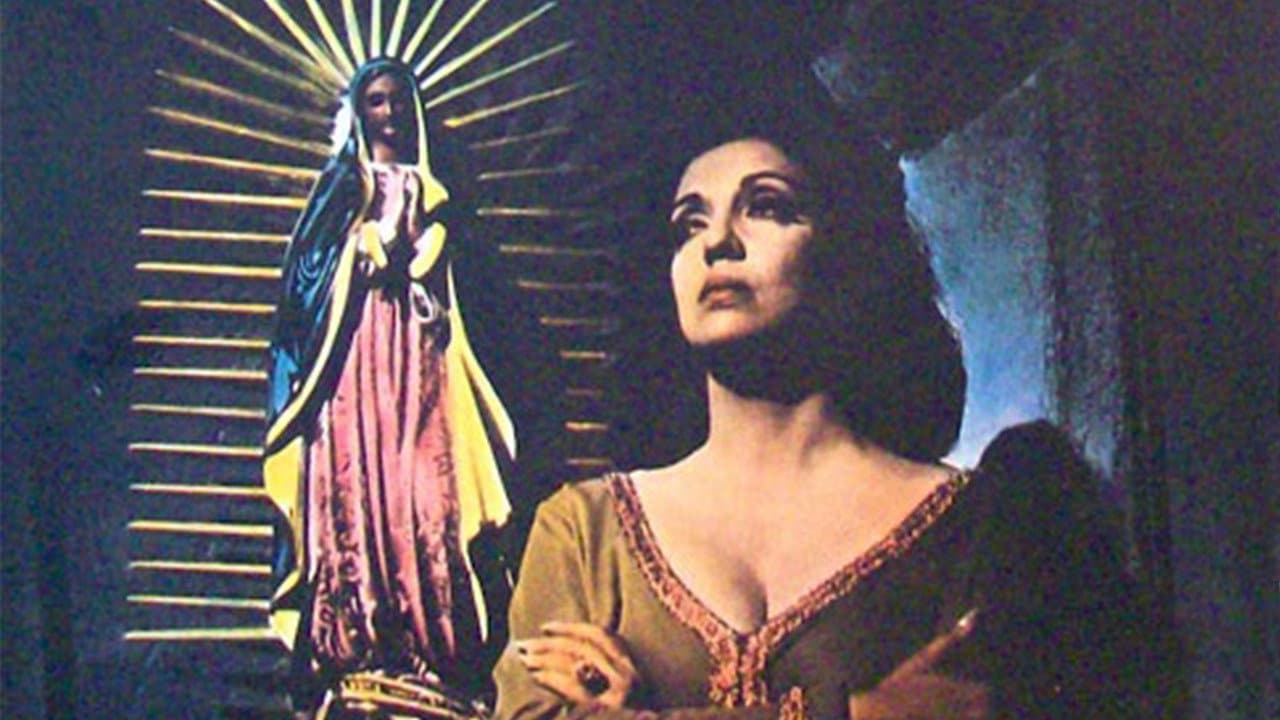
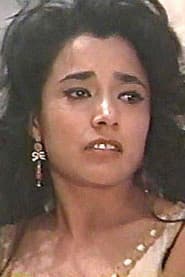
The Fearmaker opens on a woman at the height of her fame—a celebrated stage performer whose name alone draws crowds. That's the setup. But then comes the telegram: her father is dead. She returns home expecting grief, maybe some family business to settle. What she finds instead is something far more sinister. Greed has taken root in her absence, and evil doesn't announce itself politely. The tagline says it best: "You father's dead... your driver's dead... and now it's your turn." This isn't a whodunit where you're meant to guess the culprit. It's a countdown, and she's running out of time.
The 93-minute runtime doesn't feel padded—it moves with the urgency of a woman realizing that her homecoming was a mistake, that the people around her may not have her interests at heart. What makes The Fearmaker tick is its refusal to let the audience settle into comfort. Just when you think you understand the threat, the film pivots.
Behind the Making of The Fearmaker: Mexican Cinema and Studio Production
The Fearmaker emerged from Mexico's film industry during a fascinating transitional period. Produced by Producciones Bueno and shot at Estudios Churubusco Azteca—one of Latin America's most storied studios—the film represents the kind of mid-budget thriller that was becoming harder to finance even in 1971. Churubusco had been the birthplace of countless Mexican classics, from Buñuel's work to the golden-age melodramas that defined a generation of cinema. By the early '70s, though, the industry was shifting. Television was fragmenting audiences, budgets were tightening, and the appetite for pure genre entertainment was waning.
Yet someone greenlit The Fearmaker anyway. That someone believed in this story enough to commit studio resources, to cast a lead performer capable of carrying 93 minutes of mounting paranoia, to shoot it in color and with the kind of technical polish that suggests ambition beyond a quickie exploitation picture. The film's IMDb rating of 4.667/10 tells you how posterity has treated it—not kindly—but ratings don't capture what it was trying to do or why it mattered to the people who made it. Movie OTT has made it possible to revisit films like this, to see them outside the context of their theatrical runs or critical consensus, which is exactly what archival work should do.
The cast and crew remain somewhat obscure in English-language film histories, which is itself a kind of tragedy. Mexican cinema of this era produced remarkable work that's been systematically overlooked by English-speaking critics and historians. The Fearmaker's production values—the cinematography, the set design, the editing—don't betray the constraints of its budget. This is professional filmmaking, even if it never found an international audience beyond festival circuits or late-night TV slots.
What Makes The Fearmaker Stand Out: Atmosphere Over Spectacle
Here's the thing about The Fearmaker that I keep coming back to: it trusts silence. So many thrillers feel compelled to underline every moment with music, to telegraph danger with a sudden sting on the soundtrack. This film doesn't. There are stretches where you're watching a woman move through her childhood home, and the only sound is her footsteps, a creaking door, the ambient hum of a house that suddenly feels wrong. That restraint is what builds dread—not jump scares, not elaborate set pieces, just the slow accumulation of wrongness.
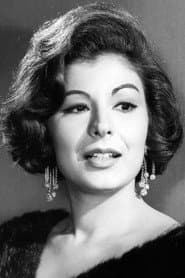
The performances anchor everything. The lead actress carries an enormous burden: she's on screen for nearly the entire runtime, and her face has to register confusion, fear, dawning comprehension, and defiance without ever tipping into melodrama (though the material tempts that at every turn). What's striking is how she modulates between public composure and private terror. On stage, she's a star. At home, she's a woman who realizes she's trapped. The supporting cast—the driver, the family members, the hangers-on—are drawn with enough specificity that you can't quite pin down who's dangerous and who's merely complicit.
The script doesn't waste time on exposition. It doesn't explain why these people want her dead or what exactly they stand to gain. That ambiguity is a strength, not a weakness. It forces the viewer to read the subtext, to pick up on glances and silences and the way people position themselves in a room. Hard to say if this was intentional or accidental, but the effect is real: The Fearmaker feels less like a puzzle to solve and more like a situation to survive.
Where to Stream The Fearmaker Online
The Fearmaker is currently available on major OTT services, which means you don't have to hunt through dusty VHS collections or wait for a midnight screening at a retrospective. The streaming availability widget at the top of this page will show you exactly which platforms carry it right now—availability shifts constantly, and Movie OTT tracks current streaming status across all the major services so you know where to find what you want to watch. If you've got a subscription to any of the major platforms, there's a decent chance The Fearmaker is already in your library, waiting to be discovered. It's the kind of film that benefits from a quiet evening at home, where you can give it your full attention without distraction.
Frequently Asked Questions
Q: What year was The Fearmaker released?
The Fearmaker came out in 1971, during a period when Mexican studios were still producing ambitious genre films, though the theatrical market for such work was beginning to contract globally.
Q: How long is The Fearmaker?
The film runs 93 minutes, which is lean by modern standards—every scene has to earn its place, and the pacing reflects that discipline.
Q: Who made The Fearmaker?
The film was produced by Producciones Bueno and shot at Estudios Churubusco Azteca, one of Mexico's most prestigious studios, which had been the home of major Latin American cinema for decades.
Q: Is The Fearmaker based on a true story?
There's no evidence that The Fearmaker is based on actual events. It's an original thriller screenplay designed to explore themes of greed, family betrayal, and the vulnerability of someone returning to a place that should feel safe but doesn't.
Q: Why is The Fearmaker rated so low on IMDb?
The film's 4.667/10 rating likely reflects both the passage of time (tastes change, especially for genre films) and the fact that English-language critics have largely ignored Mexican cinema of this era. Low ratings don't always mean low quality—sometimes they just mean a film hasn't found its audience yet.
Final Thoughts on The Fearmaker
The Fearmaker isn't a masterpiece, and it doesn't pretend to be. What it is, though, is a competent, atmospheric thriller made by people who understood how to build tension without relying on gore or spectacle. It's a film about homecoming as a trap, about the danger of returning to a place where you're no longer in control. If you're someone who appreciates genre cinema from outside the American mainstream—who doesn't need everything explained or tied up neatly—then The Fearmaker deserves your time. It's exactly the kind of overlooked, mid-budget international thriller that streaming has made accessible again.