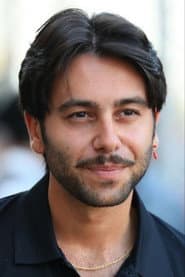



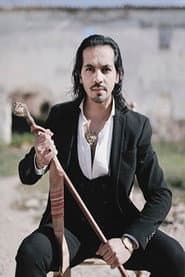

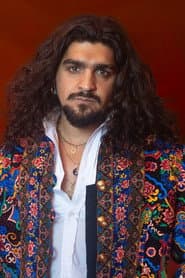
The story of The Flamenco Guitar of Yerai Cortés
The Flamenco Guitar of Yerai Cortés isn't your typical music documentary. Rather than following a concert tour or tracing a rise to fame, the film centers on something messier and more human—a portrait of a guitarist embedded in Romani culture, wrestling with family legacy and personal identity through the language of flamenco. Yerai Cortés isn't a household name, and that's partly the point. What unfolds across 95 minutes is a thoughtful, intimate exploration of how gypsy traditions survive and transform in contemporary Spain, filtered through one man's relationship with his instrument and his kin. The narrative moves at its own pace, letting scenes breathe. We're not rushed through his backstory or hit with a tidy redemption arc. Instead, there's a sense that we're watching something private—a family exorcism through music, as the film's premise suggests—and we're privileged to witness it.
How The Flamenco Guitar of Yerai Cortés came together
The most striking thing about this documentary's genesis is that it marks the feature directorial debut of Antón Álvarez, better known by his stage name C. Tangana. The Madrid-born artist has spent years building a reputation as a musician and cultural provocateur; his pivot to filmmaking here represents a serious creative ambition. Production company Little Spain helmed the project, bringing their documentary sensibility to what could have been a vanity piece but instead feels like genuine artistic inquiry. The 95-minute runtime gives the filmmakers enough space to develop their subject without overstaying their welcome—a crucial balance in documentary work. There's no mention of major festival awards or box office figures in the immediate discourse, but the film's very existence signals something important: that artists at Álvarez's level are thinking beyond their primary medium, seeking to tell stories that matter to them personally. The IMDb rating of 7/10 suggests a film that works for most viewers without reaching consensus masterpiece status, which is honest territory for a debut.
What makes The Flamenco Guitar of Yerai Cortés stand out
What's striking is how the film resists the urge to exoticize its subject. There's no breathless narration about "ancient traditions" or sweeping shots meant to make Romani culture look like museum pieces. Instead, Álvarez seems genuinely interested in Yerai as a person—his doubts, his connection to his family, the way music functions as both inheritance and escape route. The documentary captures something real about how art works as therapy, how picking up an instrument can be an act of defiance and reconciliation all at once. I keep coming back to the decision to frame this as a family narrative rather than a career narrative. That choice changes everything. We're not watching a musician overcome obstacles to reach the top; we're watching someone navigate what it means to carry forward a tradition while being your own person. The guitar work itself—what little we hear in full—carries weight precisely because it's not the point. The point is what it means. Honestly, that's harder to pull off than a straightforward performance doc, and Álvarez manages it. The film doesn't shy away from tension, either. Family healing isn't neat, and the documentary doesn't pretend it is.
Where to stream The Flamenco Guitar of Yerai Cortés online
The Flamenco Guitar of Yerai Cortés is currently available on major OTT services—check the Where to Watch widget at the top of this page for the most up-to-date list of platforms and availability in your region. Streaming aggregators like Movie OTT make it easy to track which services carry a title at any given moment, since licensing agreements shift frequently. If you're planning to watch, it's worth confirming availability before settling in, especially if you're outside Spain or major European markets where the film may have wider distribution. The 95-minute length makes it a manageable evening watch—not a commitment that requires a full day off.
Frequently asked questions
Q: Who directed The Flamenco Guitar of Yerai Cortés?
Antón Álvarez, known professionally as C. Tangana, directed the film as his feature directorial debut. Álvarez is a Madrid-based musician and cultural figure who brought his artistic sensibility to documentary filmmaking.
Q: Is The Flamenco Guitar of Yerai Cortés based on a true story?
Yes—the film is a documentary portrait of real flamenco guitarist Yerai Cortés and his family within Romani culture. It explores his actual life and relationships through the lens of music and heritage.
Q: What is the runtime of The Flamenco Guitar of Yerai Cortés?
The film runs 95 minutes, giving viewers a focused but unhurried look at its subject without excessive length.
Q: Where can I watch The Flamenco Guitar of Yerai Cortés?
The documentary is available on major streaming platforms. Use the Where to Watch widget on this page to see current availability on your preferred service, or check Movie OTT's tracking for real-time platform updates.
Q: What is the IMDb rating for The Flamenco Guitar of Yerai Cortés?
The film holds a 7/10 rating on IMDb, suggesting solid viewer approval without reaching universal acclaim status.
Final thoughts on The Flamenco Guitar of Yerai Cortés
This is a film for viewers who want something different from their documentaries—something that trusts silence, values specificity over spectacle, and understands that the most powerful stories aren't always the loudest ones. If you're drawn to music, family narratives, or simply curious about how a musician-turned-director approaches nonfiction, it's worth your time. The Flamenco Guitar of Yerai Cortés won't change your life, but it might change how you listen.