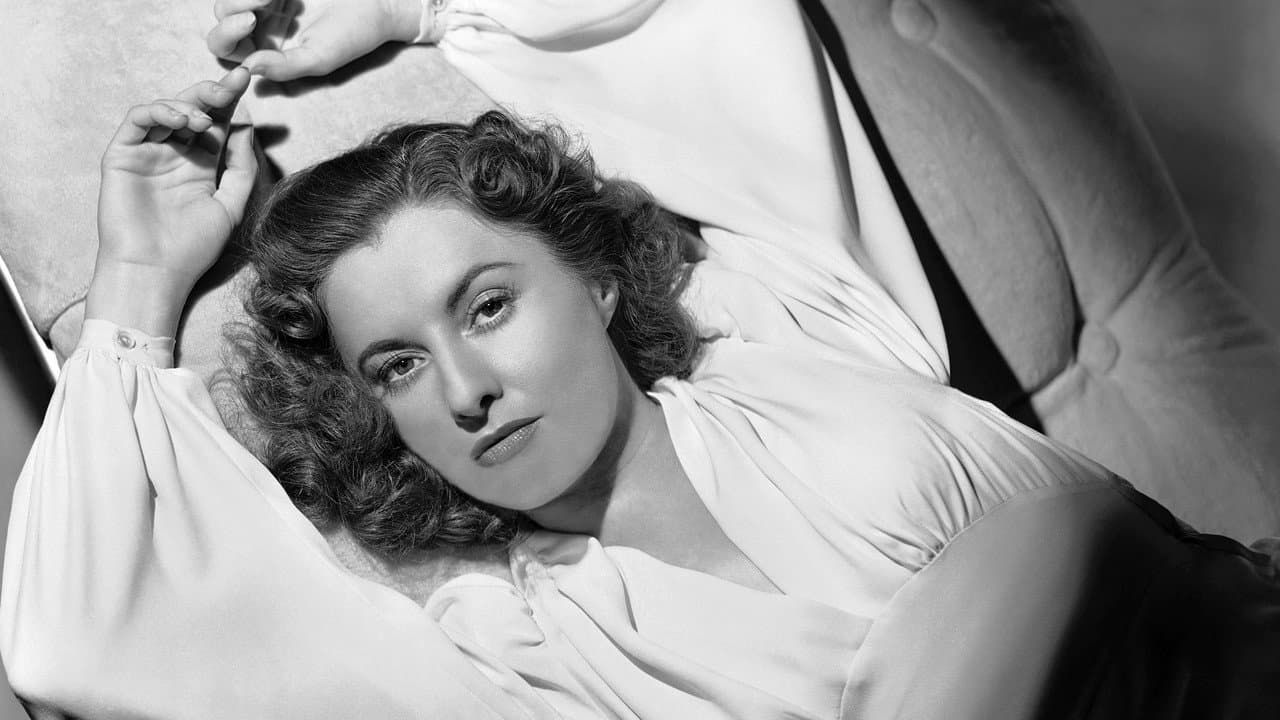
The Story of The Gay Sisters
The Gay Sisters tells the story of three women bound by blood, property, and the weight of family secrets. At the heart of it all stands the eldest sister, who must protect the family's Fifth Avenue mansion from a developer she once married—a man who represents both romantic history and financial threat. It's the kind of setup that only works when you've got the right cast, and Warner Bros. knew exactly what it was doing when it assembled this ensemble. The film moves between the intimate drama of sisterhood and the higher stakes of property rights and social standing, creating a narrative that's equal parts love story and family saga.
Behind the Making of The Gay Sisters
The Gay Sisters arrived in 1942 as an adaptation of Stephen Longstreet's novel of the same name, freshly published that year. Director Irving Rapper—who'd already proven himself capable of handling complex emotional material—took the helm, bringing his characteristic sensitivity to character work. The studio didn't skimp on talent. Barbara Stanwyck, one of Hollywood's most reliable dramatic forces, anchored the cast as the protective eldest sister, supported by George Brent as the developer-turned-antagonist and a supporting cast that included Geraldine Fitzgerald, Donald Crisp, Gig Young, and Nancy Coleman. This wasn't a B-picture; it was a fully staffed Warner Bros. production designed to draw audiences through star power and melodramatic intrigue.
The film ran 110 minutes—a substantial runtime that allowed Rapper space to develop character relationships without rushing through plot mechanics. While box office records from 1942 are spotty, the picture represented exactly the kind of mid-tier prestige drama that kept studio systems profitable during the war years, when audiences craved both escapism and emotional substance. The tagline promised what Warner Bros. always promised: "Another great novel... another Warner Bros. hit!" Whether it lived up to that claim depended on what you wanted from your romantic drama.
What Makes The Gay Sisters Stand Out
What's striking is how the film balances its melodramatic bones with genuine character depth. Stanwyck doesn't play the eldest sister as a saint protecting innocence; she's complicated, protective to the point of control, and wrestling with her own romantic history. The thing nobody mentions is that this film works best when you stop thinking of it as pure romance and start seeing it as a study in how property and emotion get tangled up in families—especially families with money and social standing to protect.
Rapper's direction keeps the pacing brisk even when the emotional temperature rises. There's a scene where the sisters confront the developer face-to-face that crackles with genuine tension, the kind that comes from real stakes and actors who understand how to play restraint. Brent brings a certain charm to his role, but it's undercut with something harder—he's not a villain so much as a man who wants what he's owed, which makes him far more interesting than a simple antagonist would be. The supporting cast doesn't fade into background; Fitzgerald, in particular, brings a restless energy to her role that suggests depths the screenplay only hints at.
The film doesn't shy away from the fact that these women's lives are constrained by their gender and their era. They can't simply sell the mansion and move on; it's their identity, their security, their claim to respectability. That constraint creates genuine dramatic friction. I keep coming back to how the film treats the mansion itself—it's not just a setting, it's a character, a weight, something that holds the family together and pulls them apart simultaneously.
Where to Stream The Gay Sisters Online
If you're ready to watch The Gay Sisters, the film is currently available on major OTT services. Rather than hunting across multiple platforms, Movie OTT tracks where this 1942 drama is streaming right now—saving you the frustration of searching. The "Where to Watch" widget at the top of this page shows you exactly which platform has it available in your region, so you can start streaming without delay. Since availability shifts regularly, checking Movie OTT's current listings ensures you'll find the right link on your first try.
Frequently asked questions
Q: Who directed The Gay Sisters?
Irving Rapper directed the film. Rapper was known for his sensitive handling of emotional and character-driven material, which suited the melodramatic but nuanced story of the three sisters perfectly.
Q: Is The Gay Sisters based on a true story?
No, it's based on Stephen Longstreet's 1942 novel of the same name. While the story isn't autobiographical, it draws on real social dynamics of the era—property rights, family obligation, and the limited choices available to wealthy women in the 1940s.
Q: What's the runtime of The Gay Sisters?
The film runs 110 minutes, which gives director Rapper enough time to develop the characters and relationships without rushing through the plot.
Q: Why is the film called The Gay Sisters?
"Gay" in this context refers to the sisters' social standing and relative carefree demeanor—the word carried a different meaning in 1942 than it does today. The title suggests their privileged position before complications arrive.
Q: Where can I watch The Gay Sisters?
The film is available on major OTT platforms. Check the streaming availability widget at the top of this page for current links, or visit Movie OTT to see which service has it in your region.
Final Thoughts on The Gay Sisters
The Gay Sisters isn't a perfect film, but it's a genuinely engaging one that rewards viewers willing to sit with its melodrama and emotional complexity. Barbara Stanwyck's performance alone makes it worth your time—she brings authority and vulnerability to a role that could've been one-dimensional in less capable hands. If you're in the mood for a 1942 drama that takes itself seriously without taking itself too seriously, that understands the weight of family obligation without becoming a sermon about it, this is exactly what you're looking for. It's the kind of film that reminds you why the studio system, for all its flaws, knew how to make pictures that lasted.