The story of The Girl from Trieste
Pasquale Festa Campanile's The Girl from Trieste (1982) is a film about the collision between order and chaos, safety and danger, love and self-destruction. At its heart lies a conventional man drawn into the orbit of a woman from the northeastern Italian port city—a woman whose mental fragility and suicidal impulses become the emotional center of their doomed relationship. The film doesn't shy away from the ugliness of attraction to someone unstable; instead, it sits with that contradiction, examining how two people can want each other desperately while being fundamentally incapable of saving one another. What unfolds isn't a traditional love story. It's something messier, more troubling, and ultimately more human.
The narrative explores how proximity to someone in psychological crisis doesn't automatically grant you the tools to help them. The man—played by Ben Gazzara—finds himself entangled with a woman whose behavior oscillates between tenderness and volatility, and the film tracks his slow realization that love alone can't bridge the gap between them. It's a portrait of emotional dependency dressed up as romance, and it refuses to let either character off easy.
Behind the making of The Girl from Trieste
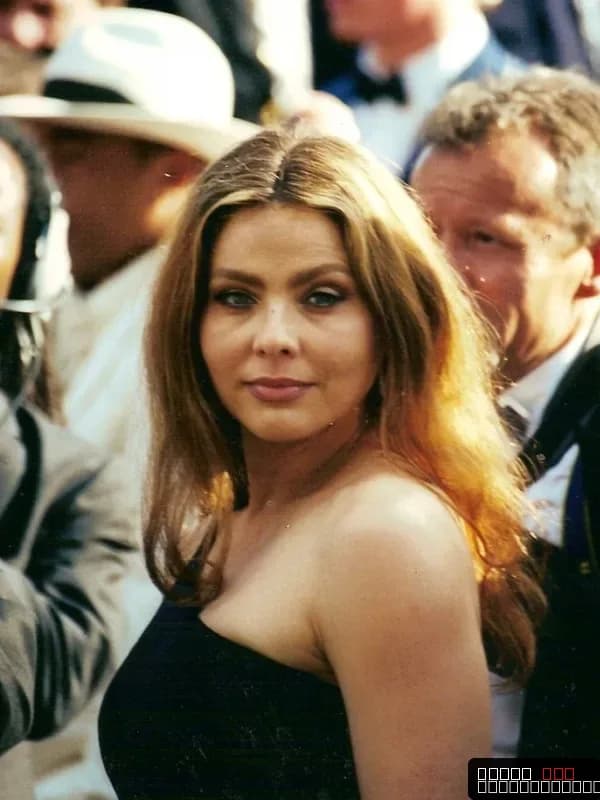
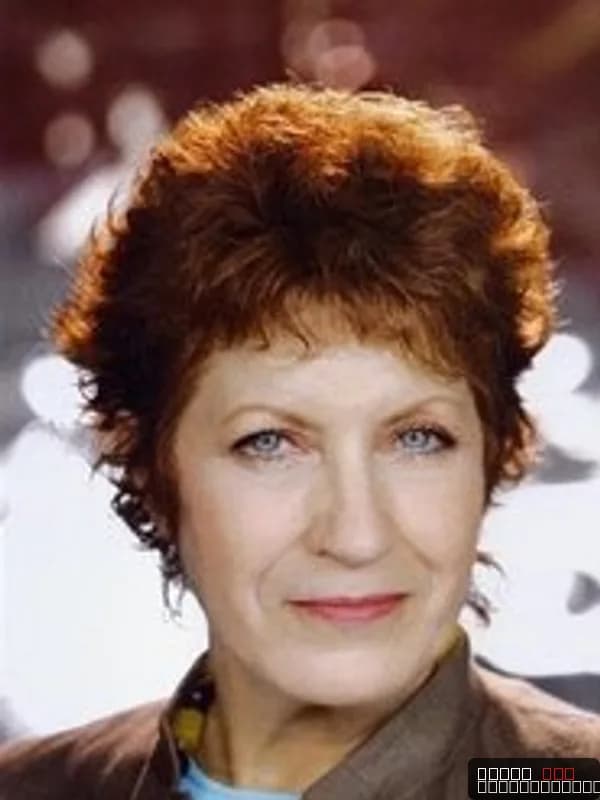
The Girl from Trieste emerged from Festa Campanile's own novel, adapted for the screen with the kind of personal investment that often produces the most unsettling character work. Festa Campanile, an Italian director and writer, brought his literary sensibility to the material—and that literary DNA shows in the film's psychological depth and refusal to provide easy answers. The cast assembled around this premise included not just Gazzara but also Ornella Muti, an actress known for her range and willingness to inhabit complex, often fractured characters. Supporting roles from Jean-Claude Brialy, Mimsy Farmer, Andréa Ferréol, and William Berger rounded out an ensemble that suggested serious dramatic ambitions.
The film runs 97 minutes, a lean runtime that keeps the emotional pressure constant without allowing much relief. Released in 1982, it arrived during a period when European cinema was still producing character-driven dramas with genuine psychological bite—films that didn't need explosions or plot twists to justify their existence. The production itself remains somewhat obscure in English-language film discourse, which perhaps speaks to the challenges of marketing a film this deliberately bleak. Box office numbers and major award nominations don't appear to have followed, but that's often the fate of intimate, uncomfortable character studies that prioritize emotional authenticity over commercial appeal.
What makes The Girl from Trieste stand out
What's striking about this film is how it refuses the comfort of judgment. You might expect a movie about a mentally unstable woman to either pathologize her or romanticize her suffering—cinema often swings between those poles. Instead, Festa Campanile presents her as a fully realized person whose mental illness is part of her texture, not her entire identity. Ornella Muti's performance carries a particular kind of vulnerability; there's intelligence and humor alongside the darker impulses, which makes her character's self-destructive choices all the more tragic.
Ben Gazzara, an actor who excelled at playing men caught between competing desires and moral compromises, brings a weary authenticity to the male lead. He's not heroic. He's not even particularly likeable. He's a man who wants something he can't have and can't admit that wanting it is slowly poisoning him. The chemistry between Gazzara and Muti crackles with a kind of desperate energy—you believe they're drawn to each other, and you also believe it's going to end badly. That's harder to pull off than it sounds.
The film's willingness to sit in uncomfortable emotional spaces is both its greatest strength and likely the reason it hasn't aged into a beloved classic. It doesn't offer catharsis in the traditional sense. It doesn't resolve neatly. Instead, it leaves you with the feeling that some human connections are fundamentally tragic—not because of external circumstances, but because of who the people involved are at their core. That's a bleak message, but it's delivered with enough nuance and craft that it feels earned rather than nihilistic.
Where to stream The Girl from Trieste online
If you're hunting for The Girl from Trieste, you'll find it available on Prime Video. The film's availability on major streaming platforms means it's more accessible now than it likely was during its original theatrical run—though finding it still requires some intentional searching, since it's not the kind of title that algorithms typically surface. Movie OTT tracks current streaming availability across platforms, so you can verify where the film is currently hosted without bouncing between multiple services. Since streaming catalogs shift constantly, checking the Where to Watch widget at the top of this page will give you the most up-to-date information on where you can access it right now.
Frequently asked questions
Q: Who directed The Girl from Trieste?
Pasquale Festa Campanile directed the film in 1982. He also wrote the novel on which the screenplay is based, giving the project a deeply personal authorial vision.
Q: Is The Girl from Trieste based on a true story?
No, it's not based on a true story, but rather on an original novel written by director Pasquale Festa Campanile himself. The film adapts his own fictional work for the screen.
Q: Who stars in The Girl from Trieste?
The film features Ben Gazzara in the lead role, opposite Ornella Muti. The supporting cast includes Jean-Claude Brialy, Mimsy Farmer, Andréa Ferréol, and William Berger.
Q: How long is The Girl from Trieste?
The film has a runtime of 97 minutes, making it a relatively lean character study that maintains emotional intensity throughout.
Q: What's the IMDb rating for The Girl from Trieste?
The film currently holds a 5.1/10 rating on IMDb, reflecting mixed critical and audience reception—though ratings don't always capture what makes a film worth watching.
Final thoughts on The Girl from Trieste
The Girl from Trieste isn't a film for everyone. It's deliberately unsettling, emotionally draining, and resistant to neat resolution. But if you're drawn to character-driven European cinema that trusts its audience to sit with discomfort, it's worth seeking out. The performances anchor you in the characters' experience even when their choices frustrate or sadden you. It's a film that respects the complexity of human connection—the way love and self-destruction can become almost indistinguishable. That kind of honesty is rare. Streaming availability makes it easier than ever to discover films like this one that might otherwise slip past unnoticed.