The story of The Godfathers of Hardcore
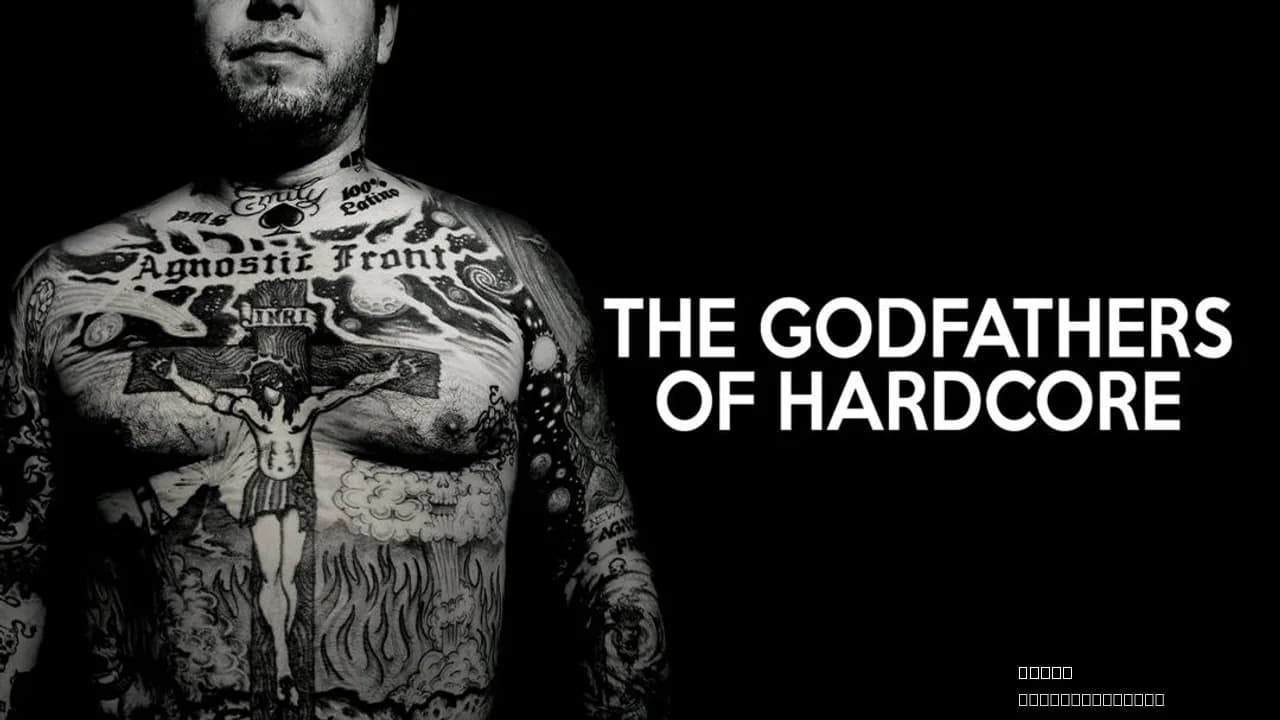
The Godfathers of Hardcore is a 2018 documentary that strips away the mythology surrounding one of punk's most enduring bands. Director Ian McFarland focuses his lens on two men: Roger Miret, the vocalist whose voice has defined Agnostic Front's sound for over four decades, and Vinnie Stigma, the guitarist whose riffs became synonymous with the band's uncompromising aesthetic. What unfolds isn't a polished retrospective—it's an intimate look at how these artists have sustained their creative partnership through an industry that's chewed up and spat out countless others. The film doesn't shy away from the personal toll that decades in hardcore have taken, nor does it romanticize the genre's often brutal history. Instead, it presents Miret and Stigma as flesh-and-blood musicians still grappling with relevance, legacy, and what it means to age within a scene built on youthful rebellion.
Behind the making of The Godfathers of Hardcore
Produced and directed by Ian McFarland, The Godfathers of Hardcore arrived in 2018 as a focused character study rather than a sprawling band biography. The 95-minute runtime keeps the narrative lean—McFarland made a deliberate choice to concentrate on Miret and Stigma rather than dilute the film with broader band history or tangential figures. Both subjects brought credibility to the project; Vinnie Stigma and Roger Miret aren't just any musicians, they're architects of a sound that influenced everyone from thrash metal to straight edge. The documentary doesn't boast major festival accolades or mainstream distribution deals, but it found its audience among hardcore devotees and music documentarians who respect the unflinching approach. At Movie OTT, we've seen how genre documentaries like this one often attract dedicated niche audiences who value authenticity over production budget. The film's modest scale—both in budget and ambition—actually strengthens its credibility. There's no sense that Miret and Stigma are performing for cameras or smoothing their edges for a broader audience.
What makes The Godfathers of Hardcore stand out
What's striking about this documentary is how it avoids the typical musician-comeback or redemption narrative. Instead, McFarland presents Miret and Stigma as men still working, still relevant, still angry—without needing to prove anything to anyone. The film doesn't ask them to justify their choices or explain why they haven't "moved on" to more lucrative pursuits. That's rare in music documentaries, which often carry an implicit message that aging rockers should either retire gracefully or reinvent themselves. Here, the subjects simply exist in their world, and that world is still demanding, still unforgiving, still theirs. There's a scene where Stigma discusses the physical toll of performing in his sixties—the aching joints, the recovery time—yet he's still pushing forward. It's not inspirational in the conventional sense; it's just real. The performances that anchor The Godfathers of Hardcore are less about charisma or stage presence and more about consistency and refusal. Both men come across as people who've made a choice and stuck with it, consequences be damned. That kind of commitment doesn't always photograph well or translate into critical acclaim—the film holds a 5.5 rating on IMDb—but it resonates with anyone who's ever chosen art over comfort. Movie OTT tracks where documentaries like this one land across streaming platforms, and understanding their distribution often tells you something about their intended audience.
How to watch The Godfathers of Hardcore online
The Godfathers of Hardcore is currently available to stream on Prime Video. If you're hunting for the film, you'll find it there without needing to hunt through multiple platforms. The documentary works well on streaming—it's designed for intimate viewing rather than theatrical spectacle, so the smaller screen doesn't diminish the experience. In fact, there's something fitting about watching a film about two aging punk musicians in your own home, pausing when you need to, rewinding a conversation that hit hard. The where-to-watch widget at the top of this page shows you current availability across all major platforms, so you can start watching immediately without digging through subscription menus.
Frequently asked questions
Q: Who directed The Godfathers of Hardcore?
Ian McFarland directed the documentary, focusing his lens specifically on the two longest-serving members of Agnostic Front. McFarland's approach prioritizes intimate conversation and lived experience over comprehensive band history.
Q: Is The Godfathers of Hardcore based on a true story?
The documentary is a factual account of the real lives and careers of Roger Miret and Vinnie Stigma. It's not dramatized—McFarland presents their actual experiences, struggles, and ongoing work in the music industry.
Q: How long is The Godfathers of Hardcore?
The film runs 95 minutes, a focused runtime that concentrates on the two main subjects rather than attempting an encyclopedic band history.
Q: What is Agnostic Front and why do Miret and Stigma matter?
Agnostic Front is a hardcore punk band that emerged from New York in the early 1980s. Roger Miret and Vinnie Stigma are the band's founding members and primary creative voices—they've shaped the sound and philosophy of hardcore punk for over four decades and influenced countless bands across multiple genres.
Q: Where can I watch The Godfathers of Hardcore?
The documentary is currently available on Prime Video. Check the where-to-watch widget on this page for the most up-to-date streaming availability.
Final thoughts on The Godfathers of Hardcore
The Godfathers of Hardcore won't appeal to everyone—it's deliberately unglamorous, sometimes uncomfortable, and it doesn't offer easy answers or redemptive arcs. But for anyone interested in how artistic commitment actually works, how people sustain passion without compromise, it's essential viewing. Miret and Stigma aren't heroes in the traditional sense. They're just two guys who decided decades ago that this music, this scene, this life mattered more than financial security or mainstream acceptance. The documentary lets them exist on their own terms. That's rarer than you'd think.