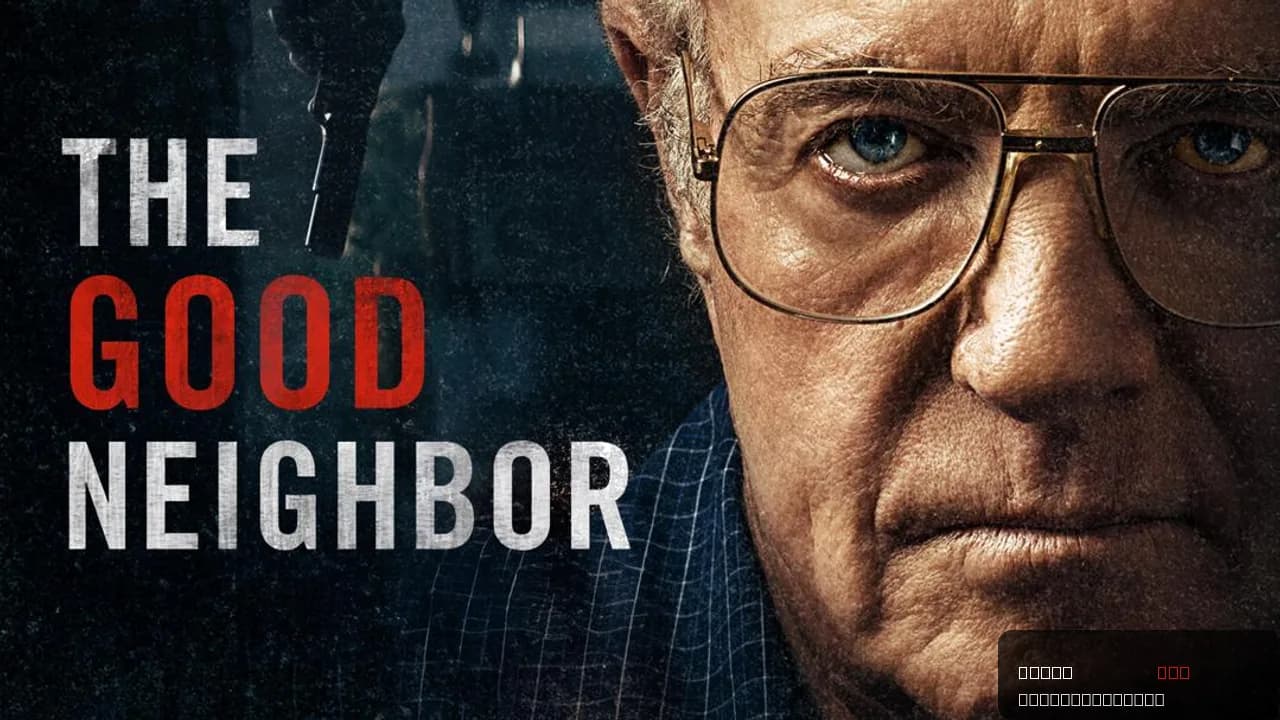


The Story of The Good Neighbor
The Good Neighbor follows two high school filmmakers who decide to turn their elderly neighbor into an unwitting documentary subject. They've judged him based on rumors and surface-level observations—the kind of snap conclusions teenagers make about adults who keep to themselves. So they do what any aspiring filmmakers with a camera and questionable ethics might do: they plant hidden surveillance equipment throughout his home and begin recording. They're convinced they'll capture proof of something dark, something that'll validate their suspicions and make for compelling footage. What unfolds instead is a moral reckoning neither of them anticipated, one that spirals far beyond the bounds of a school project.
The setup is deceptively simple, but the execution—and what gets executed—becomes increasingly complicated. This isn't a straightforward "prank goes wrong" narrative. It's something messier and more unsettling, where the line between observer and perpetrator blurs, and the camera itself becomes a weapon.
Behind the Making of The Good Neighbor
Kasra Farahani directed this 2016 feature from a screenplay by Mark Bianculli and Jeff Richard, released by Vertical Entertainment on September 16, 2016. The film's 97-minute runtime keeps the tension wound tight without overstaying its welcome. What's particularly notable is the casting of James Caan—a veteran actor best known for The Godfather and decades of acclaimed television work—alongside younger leads Logan Miller and Keir Gilchrist, both rising names in teen-oriented drama. That generational clash between Caan's world-weary neighbor and the digital-native kids spying on him feels intentional, almost thematic.
Bailey Noble, Lili Reinhardt, Edwin Hodge, and Laura Innes round out the ensemble, though it's Caan's performance that anchors the entire enterprise. The film wasn't rated by the MPAA, which gave the filmmakers freedom to pursue the darker turns the narrative demanded. Box office figures for independent thrillers like this one rarely break through to mainstream consciousness, but Movie OTT tracks these kinds of genre films closely—they often find their audience through streaming platforms long after theatrical release. The Metascore of 32 and Rotten Tomatoes rating of 36% suggest critics were divided, though audience reactions lean more favorably toward the film's ambitions.
What Makes The Good Neighbor Stand Out
Critical reception was mixed, but that's partly because The Good Neighbor refuses to sit neatly in genre expectations. It's marketed as horror, but it's really about surveillance ethics and teenage cruelty wearing the mask of curiosity. The thing nobody mentions is how the film implicates the audience—we're watching kids watch an old man, and the camera becomes complicit in whatever happens next. That's uncomfortable by design.
What's striking is how the film treats its younger protagonists. They're not villains, exactly. They're thoughtless. They've grown up in a world where documenting everything is second nature, where privacy feels like an outdated concept, and where the line between observation and violation hasn't been properly explained to them—or worse, they understand it and don't care. Logan Miller and Keir Gilchrist play these roles with enough nuance that you can't quite hate them, which makes the unraveling all the more effective. James Caan, meanwhile, brings a weathered gravity to a character who could've been a flat "creepy neighbor" stereotype. Instead, he's layered. Dangerous, yes—but dangerous in ways the kids didn't anticipate.
The film's central conceit—video surveillance as both narrative device and moral trap—feels prescient in a way that 2016 couldn't quite have known. We're living in that world now. Cameras everywhere. Privacy nowhere. The Good Neighbor taps into that anxiety before it became the default state of existence, which is part of why it still lands. It doesn't moralize; it just shows you what happens when curiosity meets opportunity meets the absence of consequences.
Where to Stream The Good Neighbor Online
The Good Neighbor is currently available to stream on Prime Video, making it accessible to anyone with an Amazon subscription. The film's availability across platforms can shift, so checking Movie OTT's "Where to Watch" widget at the top of this page ensures you're getting real-time accuracy on where the film's streaming right now. Prime Video's catalog is particularly strong for independent thrillers and genre films that might not get wide theatrical distribution, and this is exactly the kind of title that benefits from the on-demand accessibility streaming offers. You can watch it on your own schedule, which—given how unsettling the film becomes—might actually be preferable.
Frequently asked questions
Q: Who directed The Good Neighbor?
Kasra Farahani directed the film, which premiered in 2016. Farahani worked from a screenplay by Mark Bianculli and Jeff Richard, bringing their script to life with a focus on tension and moral ambiguity.
Q: Is The Good Neighbor based on a true story?
No, it's an original screenplay. However, the themes it explores—surveillance, privacy invasion, and teenage cruelty—are grounded in real-world anxieties about cameras and observation in modern life.
Q: What's the runtime of The Good Neighbor?
The film runs 97 minutes, a tight length that keeps the narrative momentum steady without dragging through exposition or unnecessary subplots.
Q: Why is The Good Neighbor not rated?
The film wasn't submitted to the MPAA for a rating, which allowed the filmmakers to pursue the darker, more violent directions the story demanded without having to cut content for a PG-13 or R rating.
Q: Where can I watch The Good Neighbor?
The Good Neighbor is currently streaming on Prime Video. Use the "Where to Watch" widget above to confirm current availability, as streaming rights can change. Movie OTT keeps that information up to date across all major platforms.
Final Thoughts on The Good Neighbor
The Good Neighbor isn't perfect—critics weren't wrong to have reservations—but it's genuinely interesting in ways that stick with you. It's a film that trusts its premise and doesn't apologize for where it goes. If you're drawn to thrillers that care about moral consequences, that understand how technology can amplify human cruelty, or that aren't afraid to make you uncomfortable about your own complicity as a viewer, it's worth your time. Dark, unsettling, and unapologetically bleak. Exactly what it sets out to be.