



The story of The Green Man unfolds at a remote hotel
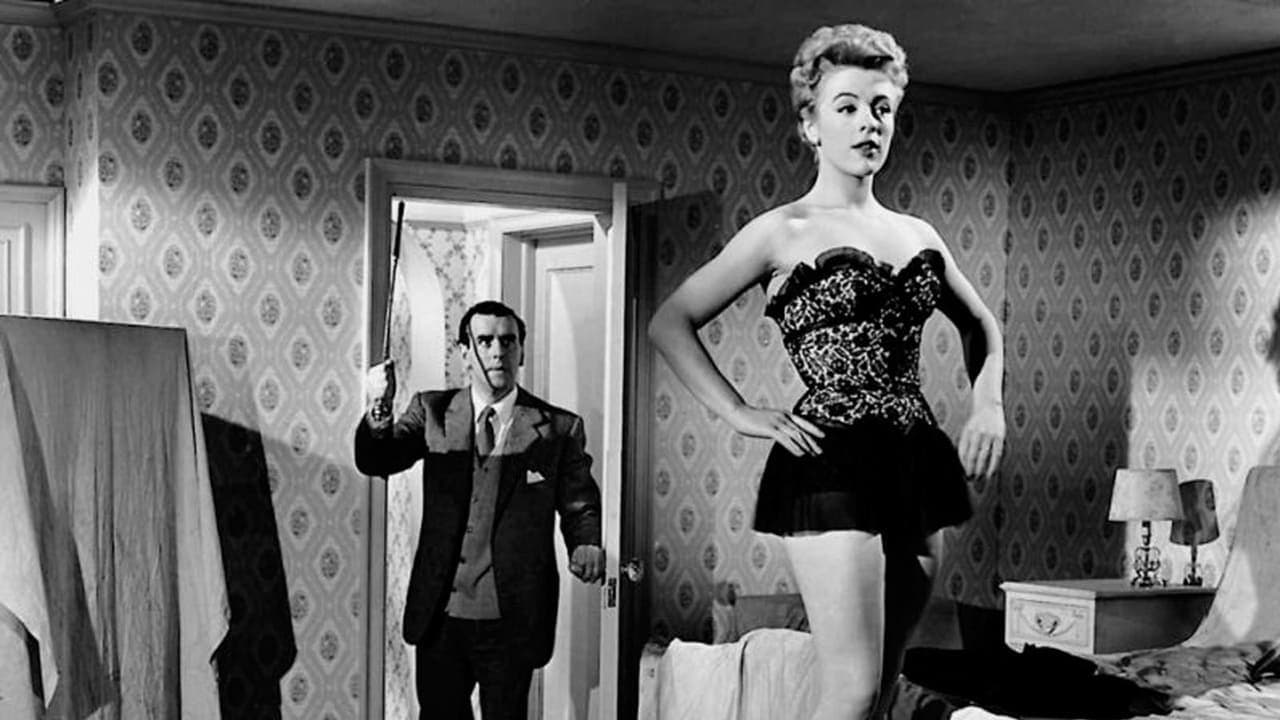
The Green Man opens on a deceptively simple premise that spirals into delightful complexity. A watchmaker named Hawkins isn't just fixing timepieces—he's a hired assassin working for mysterious Middle Eastern bosses, and he's got a talent for making his targets' deaths look accidental by way of carefully placed bombs. After successfully dispatching a dictator and a millionaire, Hawkins receives his next assignment: eliminate a politician who's sneaking off to The Green Man hotel for a clandestine affair with his secretary. What should be routine becomes anything but when William Blake, an earnest vacuum salesman, stumbles onto the plot and decides he's the one who'll stop it. From that collision forward, the film becomes a cat-and-mouse game where nobody's quite sure who's hunting whom.
The beauty of this setup is how it refuses to stay in one lane. It's not purely a thriller, though genuine danger lurks throughout. It's not purely a farce, though the situations become increasingly absurd. Instead, it's a film that wants to have it all—very merry murders, very unusual characters, very sly sex—exactly as the original tagline promised. The hotel setting becomes a pressure cooker where coincidence, mistaken identity, and sheer human unpredictability collide in ways that feel both carefully constructed and wonderfully chaotic.
Behind the making of The Green Man: Production, cast, and the Launder-Gilliat touch
Director Robert Day brought The Green Man to the screen in 1956 as a Grenadier Films production, working from a screenplay by Frank Launder and Sidney Gilliat, the legendary British writing duo who adapted the material from their own stage play, Meet a Body. That pedigree matters—Launder and Gilliat knew comedy, timing, and the rhythms of British humor in ways that don't often survive the transition from page to screen, yet here the dialogue crackles with wit that lands as well on film as it must have on stage.
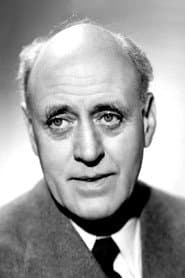
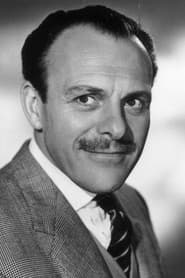
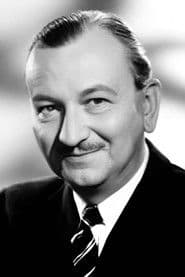
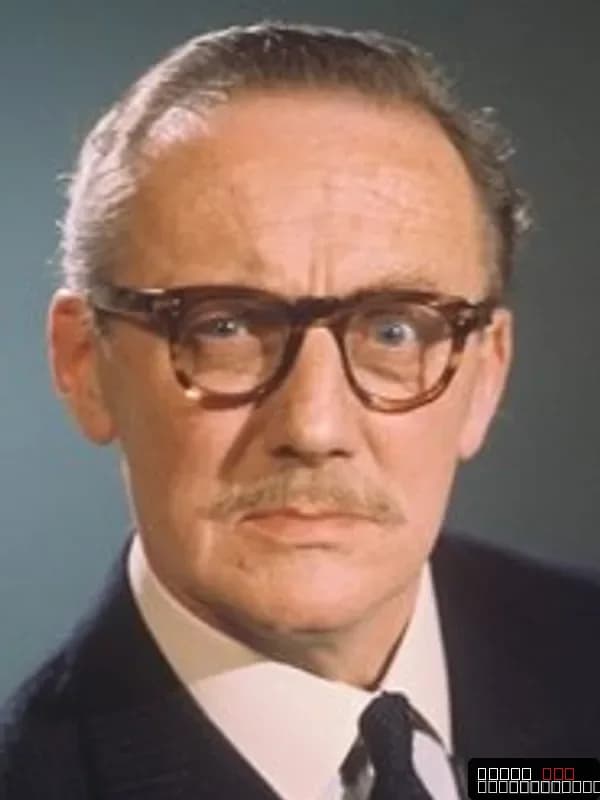
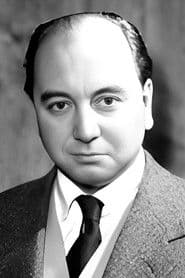
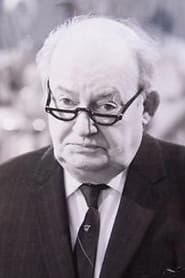
The cast assembled here reads like a who's-who of mid-century British character acting. Alastair Sim—you'd recognize him as Scrooge McDuck's voice, or from Ealing comedies—plays Hawkins with a kind of twitchy, understated menace that makes him simultaneously terrifying and oddly sympathetic. George Cole, who'd go on to a long career in British television, anchors the film as William Blake with the earnestness of a man who genuinely believes he can stop a professional killer with nothing but conviction and a vacuum cleaner's sales pitch. Terry-Thomas, with his gap-toothed charm and impeccable timing, brings a rakish energy to the proceedings, and Jill Adams rounds out the ensemble with grace and comic timing of her own.
The film clocked in at a brisk 80 minutes—no wasted time, no padding—and has maintained a solid 7.038 rating on IMDb, a score that suggests it's aged well beyond its 1956 release date. What's striking is that this wasn't a massive box-office juggernaut or an awards darling in the traditional sense, yet it's remained in circulation and discovery for nearly seven decades, which says something about its fundamental craftsmanship. Movie OTT tracks films like this across multiple platforms—the kind of mid-century gems that deserve rediscovery by viewers who've moved past the obvious classics.
What makes The Green Man stand out as a model of comic-thriller balance
Here's what I keep coming back to with The Green Man: it trusts its audience. It doesn't explain every joke, doesn't pause to underline the irony, doesn't wink at the camera. Instead, it sets up situations—a bomb hidden in a suitcase, a mistaken-identity phone call, a secretary who's far sharper than anyone gives her credit for—and lets the actors find the comedy within the stakes. When Hawkins is trying to plant explosives while Blake is obliviously trying to sell him a vacuum, the tension doesn't evaporate; it just gets filtered through absurdity. Both things are true at once.
Alastair Sim's performance is particularly masterful because he never plays the assassin as a cartoon villain. Hawkins is methodical, professional, and genuinely frustrated by the chaos around him. His frustration becomes the comedy—not slapstick, but the kind of dry, exasperated British humor that comes from a fundamentally competent person encountering incompetence from every direction. George Cole, meanwhile, plays Blake with such sincerity that his bumbling feels earned rather than forced. He's not trying to be funny; he's trying to save a life, and the comedy emerges from the gap between his conviction and his actual capabilities.
The film also understands pacing in a way that modern thrillers sometimes forget. There's genuine suspense threaded through the comedy—you actually worry that someone's going to get killed, that Blake's going to get in over his head, that Hawkins will succeed despite everything. That tonal balance, where laughter and dread coexist without canceling each other out, is harder to pull off than it looks. The screenplay by Launder and Gilliat gives every character a point of view, even the minor ones, so the hotel feels populated by actual people rather than plot devices. That's the difference between a film that's merely entertaining and one that lingers.
Where to stream The Green Man online across major platforms
The Green Man is currently available on major OTT services, and the streaming landscape for classic British films has expanded considerably in recent years. Rather than hunting across multiple platforms yourself, you can check the Where to Watch widget at the top of this page to see exactly where it's streaming in your region right now. Availability shifts seasonally and by geography, so that widget stays current in ways a static list can't. If you're a regular visitor to Movie OTT, you've probably noticed how much easier it's become to find these mid-century gems compared to even five years ago—streaming services have gotten serious about their back catalogs, and films like this one benefit from that shift.
What's worth noting is that The Green Man holds up beautifully on modern screens. The black-and-white cinematography is crisp and detailed, the pacing translates perfectly to streaming (it's only 80 minutes, so it fits neatly into an evening), and the humor doesn't feel dated in the way some period comedies can. It's not a film that requires historical context to enjoy, though understanding the conventions of 1950s British cinema certainly adds a layer of appreciation.
Frequently asked questions
Q: Who directed The Green Man?
Robert Day directed The Green Man, working with screenwriters Frank Launder and Sidney Gilliat, who adapted the script from their own stage play, Meet a Body. The combination of Day's direction and the Launder-Gilliat writing created a film that balanced comedy and suspense with remarkable precision.
Q: Is The Green Man based on a true story?
No, The Green Man is not based on a true story. It's an original screenplay by Launder and Gilliat, adapted from their stage play, so it's entirely a work of fiction—though the plotting is intricate enough that it feels like it could've been inspired by real events.
Q: What's the runtime of The Green Man?
The film runs 80 minutes, which was relatively brisk even by 1956 standards. That lean runtime means there's no padding; every scene earns its place in the narrative.
Q: Who stars in The Green Man?
The cast includes Alastair Sim as Hawkins the assassin, George Cole as the well-meaning vacuum salesman William Blake, Terry-Thomas in a supporting role, and Jill Adams. It's a strong ensemble of British character actors who deliver perfectly timed performances.
Q: Where can I watch The Green Man?
The Green Man is available on major OTT platforms. Use the Where to Watch widget at the top of this page to find which service carries it in your region, as availability varies by location and updates regularly.
Final thoughts on The Green Man: A film worth hunting down
The Green Man deserves to be more widely known than it is. It's not a film that gets remade, doesn't have a franchise, isn't referenced in every "best British comedies" listicle. But that's partly what makes it special—it exists in a space where craft and entertainment coexist without apology. Eighty minutes. Perfectly paced. Genuinely funny. Genuinely tense. If you're tired of films that do one thing well and everything else adequately, this is the kind of discovery that reminds you why the middle of the twentieth century produced such reliable, intelligent entertainment. Watch it.