




Unpacking the Lively World of The Half-Naked Truth
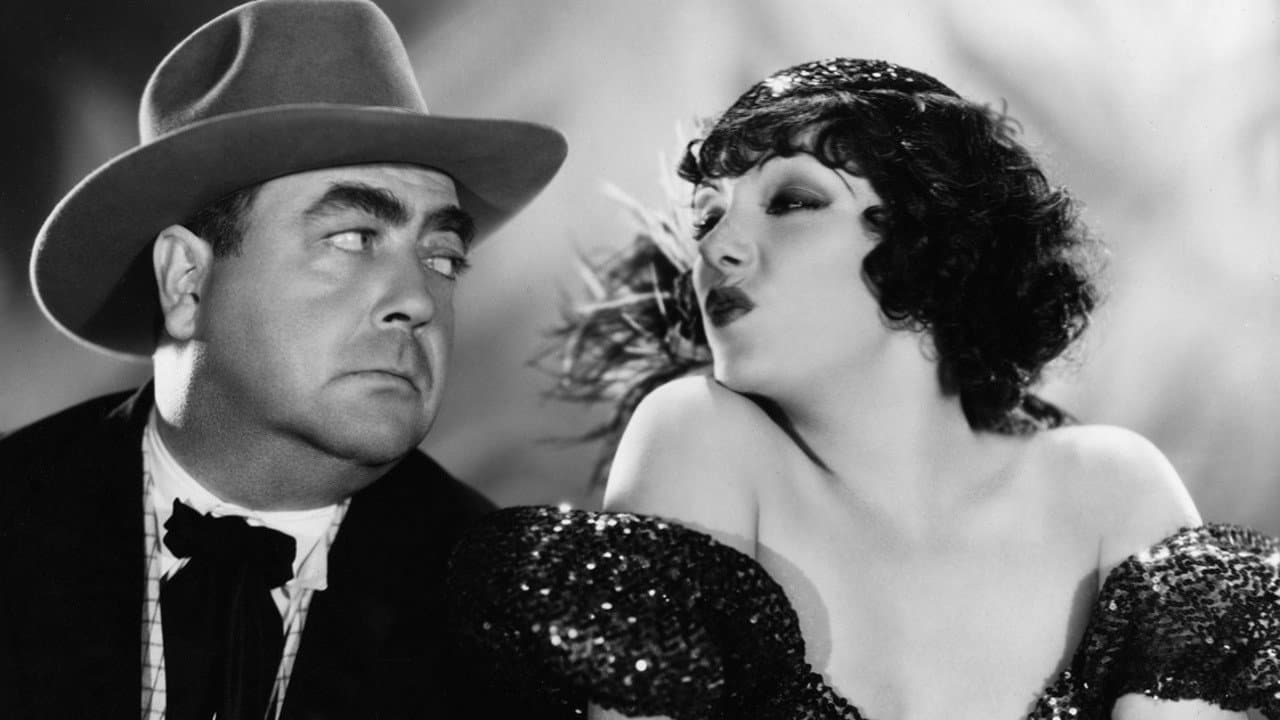
The Half-Naked Truth, a spirited pre-Code comedy from 1932, plunges audiences into the vibrant, often chaotic, world of carnival life and the cutthroat ambition of Broadway. At its heart is Lee Tracy as Jimmy Bates, a fast-talking, quick-thinking carnival pitchman whose schemes are as grand as his patter. His girlfriend, Tula, played with undeniable magnetism by Lupe Vélez, is a fiery hoochie dancer, a woman of passion and fierce independence. The narrative kicks into gear when Jimmy, ever the opportunist, sees a chance to elevate Tula from the dusty carnival circuit to the bright lights of a major Broadway revue. This grand plan unfolds under the watchful, often exasperated, eye of an impresario portrayed by the inimitable Frank Morgan. It's a classic rags-to-riches aspiration, albeit one paved with a healthy dose of comedic chaos and the distinct moral ambiguity characteristic of the pre-Code era. Any moment, her gun might point at the prominent man of this town who had done her wrong! So reads the official tagline, hinting at the delightful blend of danger and charm that defines this film.
Behind the Making of The Half-Naked Truth: A Glimpse into 1932 Hollywood
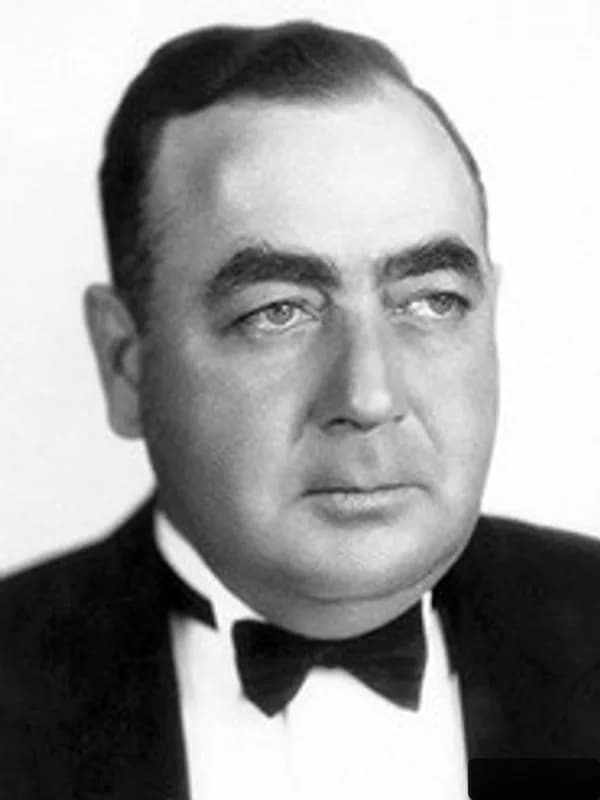
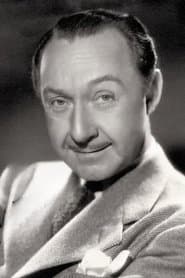
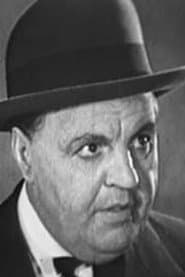
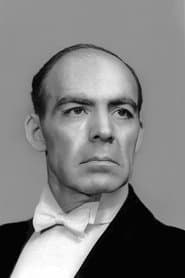
Released on December 16, 1932, by RKO Radio Pictures, The Half-Naked Truth clocks in at a brisk 77 minutes, a runtime perfectly suited for its rapid-fire comedic pace. The film was directed by Gregory La Cava, a filmmaker known for his work in the screwball comedy genre, who here crafts a narrative that feels both fresh and indicative of its time. The casting, honestly, is what really sells it. Lee Tracy, a master of rapid-fire dialogue and cynical charm, was perfectly suited for the role of Jimmy Bates, embodying the opportunistic spirit of the era. His energy is infectious, carrying much of the film's comedic weight. Opposite him, Lupe Vélez, often dubbed 'The Mexican Spitfire,' delivers a performance that lives up to her nickname. She's vibrant, volatile, and utterly captivating, a true force of nature on screen. Supporting them are veterans like Frank Morgan, whose portrayal of the Broadway impresario provides a grounding, often flustered, counterpoint to Tracy's antics, and Eugene Pallette, recognizable for his gruff, booming voice, adding another layer of comedic texture to the ensemble. It’s a testament to RKO’s savvy production that they brought together such a dynamic cast for what was, at its core, a boisterous romantic comedy set against the backdrop of show business ambition. This pre-Code gem really doesn't pull any punches, showcasing a period when Hollywood could be surprisingly daring in its portrayal of morality and ambition.
Why The Half-Naked Truth Still Shines: Performances and Pre-Code Charm
Despite an IMDb rating of 5.115/10, The Half-Naked Truth offers a compelling look at early 1930s cinema, particularly for fans of pre-Code Hollywood. What makes it stand out? It's the sheer audacity. The film doesn't shy away from the rougher edges of its characters or the world they inhabit, a hallmark of movies made before the strict enforcement of the Hays Code. Vélez's Tula, for instance, isn't just a dancer; she’s a woman with agency, passion, and a temper, unafraid to chase what she wants. Her chemistry with Tracy is electric — a delightful push and pull of affection and exasperation. I keep coming back to one particular scene where Jimmy is trying to teach Tula how to behave in polite society, and her exasperated "Oh, you and your big ideas!" is met with his quick-witted retort about her "unrefined charm." It's pure gold. The dialogue is snappy, the pacing relentless, and the film captures a certain vivacious spirit that often feels sanitized in later eras. As Variety famously reported in its 1932 review, "Vélez is a firecracker, and Tracy's patter could sell ice to an Eskimo; a potent combination that keeps the laughs coming." It's a film that genuinely feels alive, a snapshot of an era when Hollywood was experimenting with narrative freedom and character depth in ways that would soon be curtailed.
Where to Stream The Half-Naked Truth Online
For those eager to experience the unique charm of The Half-Naked Truth, you'll be pleased to know that this classic 1932 comedy is currently available on major OTT services. Our dedicated "Where to Watch" widget, conveniently located at the top of this page, provides an up-to-date listing of every platform where you can stream or rent this delightful piece of cinematic history. Whether you're a long-time fan of pre-Code films or simply curious to see Lee Tracy and Lupe Vélez in their element, finding it is easier than ever. Movie OTT consistently tracks current streaming availability across various platforms, ensuring you don't have to hunt around to find your next watch. We're here to make sure you can enjoy these hidden gems with minimal fuss. So, check out the widget and prepare for some classic Hollywood entertainment.
Frequently asked questions
Q: What is the runtime of The Half-Naked Truth?
The Half-Naked Truth has a runtime of 77 minutes. This brisk pacing helps maintain the film's comedic energy and ensures a engaging viewing experience for audiences.
Q: Who directed the 1932 film The Half-Naked Truth?
The 1932 film The Half-Naked Truth was directed by Gregory La Cava. La Cava was known for his skilled handling of comedies and dramas, often bringing a sharp wit to his projects.
Q: Who are the main stars of The Half-Naked Truth?
The primary stars of The Half-Naked Truth are Lee Tracy and Lupe Vélez. They are supported by a strong cast including Frank Morgan and Eugene Pallette, all contributing to the film's lively atmosphere.
Q: What genre is The Half-Naked Truth?
The Half-Naked Truth falls into the Comedy and Romance genres. It blends rapid-fire comedic dialogue with a charming romantic storyline set within the exciting world of early 20th-century show business.
Who Should Watch The Half-Naked Truth?
If you're a fan of classic Hollywood, particularly the uninhibited spirit of pre-Code cinema, The Half-Naked Truth is an absolute must-watch. It’s a fantastic showcase for the unique talents of Lee Tracy and Lupe Vélez, whose dynamic performances elevate what could have been a simple rom-com into something truly special. For those interested in the evolution of cinematic comedy, or simply in the bold, often surprising storytelling that flourished before stricter censorship, this film offers a fascinating window. We think it’s a delightful, if slightly overlooked, piece of RKO history that deserves a fresh look. Give it a shot; you won't regret it.