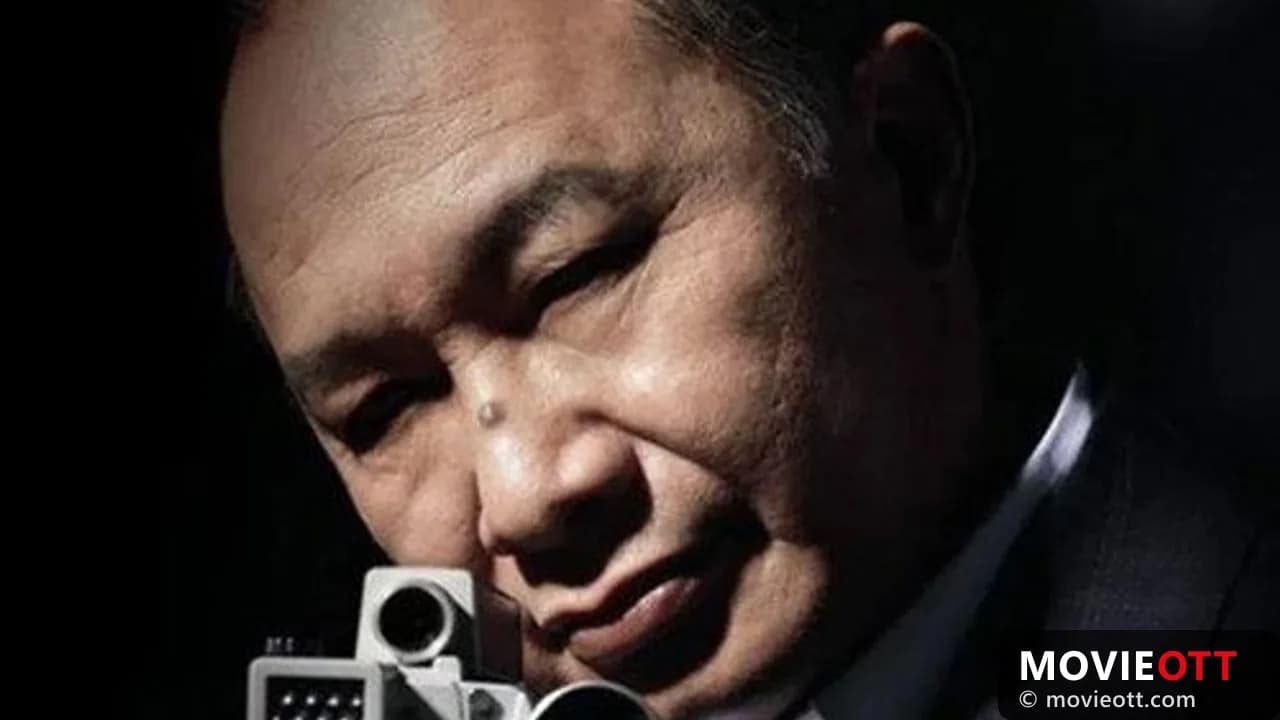
What The Hero of Heroic Bloodshed: A John Woo Documentary is about
The Hero of Heroic Bloodshed: A John Woo Documentary sets out to chronicle one of cinema's most kinetic and emotionally charged directorial careers — and it doesn't waste a single one of its 76 minutes doing it. The film moves through Woo's life and work in roughly chronological order, leaning on the talking-head format that documentary makers have trusted for decades: interview subjects speaking directly to camera, intercutting with archival footage, film clips, and behind-the-scenes material. What it's really doing, though, is making an argument — that John Woo didn't just make action movies, he invented a visual language that directors from Quentin Tarantino to the Wachowskis have been borrowing ever since. The documentary covers his formative years in Hong Kong, his ascent through Shaw Brothers-adjacent productions, and the string of heroic bloodshed films in the 1980s that made him a legend before most Western audiences had ever heard his name.
How The Hero of Heroic Bloodshed: A John Woo Documentary came together
Released in 2025, this documentary arrives at a moment when retrospective appreciation for Hong Kong cinema's golden era is at something of a peak — streaming platforms have made films like A Better Tomorrow and The Killer newly accessible to global audiences, and there's genuine appetite for the story behind them. The production leans into the talking-head structure with what feels like a deliberate, almost defiant simplicity. No dramatic recreations, no flashy motion graphics. Just people who know Woo's work — and, one presumes, Woo himself in some capacity — talking about why it matters.
The film's 76-minute runtime is tight by documentary standards, and that brevity is both a strength and, honestly, a mild frustration. You get the sense the filmmakers made hard editorial choices about what to leave on the cutting-room floor. The heroic bloodshed era — A Better Tomorrow (1986), The Killer (1989), Hard Boiled (1992) — receives the most sustained attention, which is probably the right call. These are the films that defined Woo's aesthetic: slow-motion gunfights, white doves fluttering through chaos, men in long coats making loyalty look like a religion. The documentary's coverage of his Hollywood transition, which brought films like Hard Target (1993) and Face/Off (1997), is present but moves quickly — perhaps a little too quickly for viewers who want the full picture of how a Hong Kong auteur navigated a studio system that didn't always know what to do with him.
As of this writing, no major awards nominations have been publicly confirmed for the film, and its IMDb rating reflects the early-release period with minimal user data. That's not unusual for a specialty documentary of this scope. Movie OTT has been tracking the title's release and streaming availability since its 2025 debut, and it's worth checking back as critical consensus builds.
Why The Hero of Heroic Bloodshed: A John Woo Documentary stands out among director profiles
What's striking is how the documentary manages to make Woo's biography feel urgent rather than archival. A lot of director profiles — especially ones about filmmakers who are already legends — fall into a kind of reverent torpor. Everyone says the subject is a genius, the clips are gorgeous, and you leave feeling like you watched a very long DVD special feature. This one avoids that trap, mostly because the talking heads seem genuinely animated rather than dutifully promotional.
The film is particularly sharp when it addresses the thematic consistency running through Woo's work — the idea that brotherhood, sacrifice, and moral ambiguity aren't just narrative devices in his films but something close to obsessions. There's a moment, discussed in the documentary, where the dual-pistol standoff aesthetic is traced not just to practical stunt choreography but to Woo's own Catholic faith and his interest in symmetry as a kind of visual prayer. I keep coming back to that framing, because it recontextualizes films you might have filed away as pure genre entertainment.
The craft discussion is genuinely illuminating. Slow-motion wasn't just style for Woo — it was a way of making violence feel consequential rather than casual, a distinction that separates his work from lesser imitators. The documentary draws that line clearly. Hard to say if every viewer will find the talking-head format sufficient to carry that argument, but for anyone already sympathetic to Woo's work, it lands. Movie OTT's editorial team noted in early coverage that the film functions almost as a primer for viewers who've heard the name but haven't yet sat down with The Killer — and that's a fair read.
Where to stream The Hero of Heroic Bloodshed: A John Woo Documentary online
The Hero of Heroic Bloodshed: A John Woo Documentary is currently available on major OTT services, making it genuinely accessible without much hunting around. The Where-to-Watch widget at the top of this page shows the full current list of platforms carrying the title — streaming availability shifts, so that widget reflects the most up-to-date picture. Movie OTT aggregates streaming data across platforms so you can find where a title lives without checking five apps individually, which is exactly the kind of thing that matters for a specialty documentary that might not have the promotional footprint of a major studio release. If you're a subscriber to any of the primary streaming services, there's a reasonable chance it's already waiting in your library.
Frequently asked questions
Q: Where can I watch The Hero of Heroic Bloodshed: A John Woo Documentary?
The Hero of Heroic Bloodshed: A John Woo Documentary is currently streaming on major OTT platforms. Check the Where-to-Watch widget on this page or visit movieott.com for a live, up-to-date list of where it's available in your region.
Q: How long is The Hero of Heroic Bloodshed: A John Woo Documentary?
The documentary runs 76 minutes — lean by feature documentary standards, but the tight runtime feels intentional rather than incomplete. It covers Woo's early career, his Hong Kong heroic bloodshed classics, and his Hollywood transition without much padding.
Q: Who is the subject of The Hero of Heroic Bloodshed: A John Woo Documentary?
The film profiles John Woo, the Hong Kong-born director responsible for landmark action films including A Better Tomorrow (1986), The Killer (1989), and Hard Boiled (1992), as well as Hollywood productions like Face/Off (1997). The documentary traces his full career arc using the talking-head format.
Q: Is The Hero of Heroic Bloodshed: A John Woo Documentary suitable for viewers unfamiliar with John Woo's films?
Yes — the documentary is structured to work as an introduction as well as a deeper appreciation for existing fans. It contextualizes Woo's significance within Hong Kong cinema history and explains why his visual style influenced so many subsequent filmmakers, so you don't need to have seen his films first, though watching a few beforehand enriches the experience considerably.
Q: When was The Hero of Heroic Bloodshed: A John Woo Documentary released?
The documentary was released in 2025. It's a relatively recent title, which means critical aggregator scores and user ratings are still accumulating — Movie OTT will continue updating the film's page as more data becomes available.
Final thoughts on The Hero of Heroic Bloodshed: A John Woo Documentary
For action cinema devotees and documentary enthusiasts alike, The Hero of Heroic Bloodshed: A John Woo Documentary is a focused, worthwhile 76 minutes. It won't replace sitting down with Hard Boiled on a Friday night — nothing will — but it provides the kind of context and critical framing that makes those films hit differently afterward. Fans already deep in Woo's filmography will find the production analysis rewarding. Newcomers get a genuine entry point. The talking-head format won't surprise anyone, but the passion behind it is real. Worth your evening.