The story of The Host and its battle for the human mind
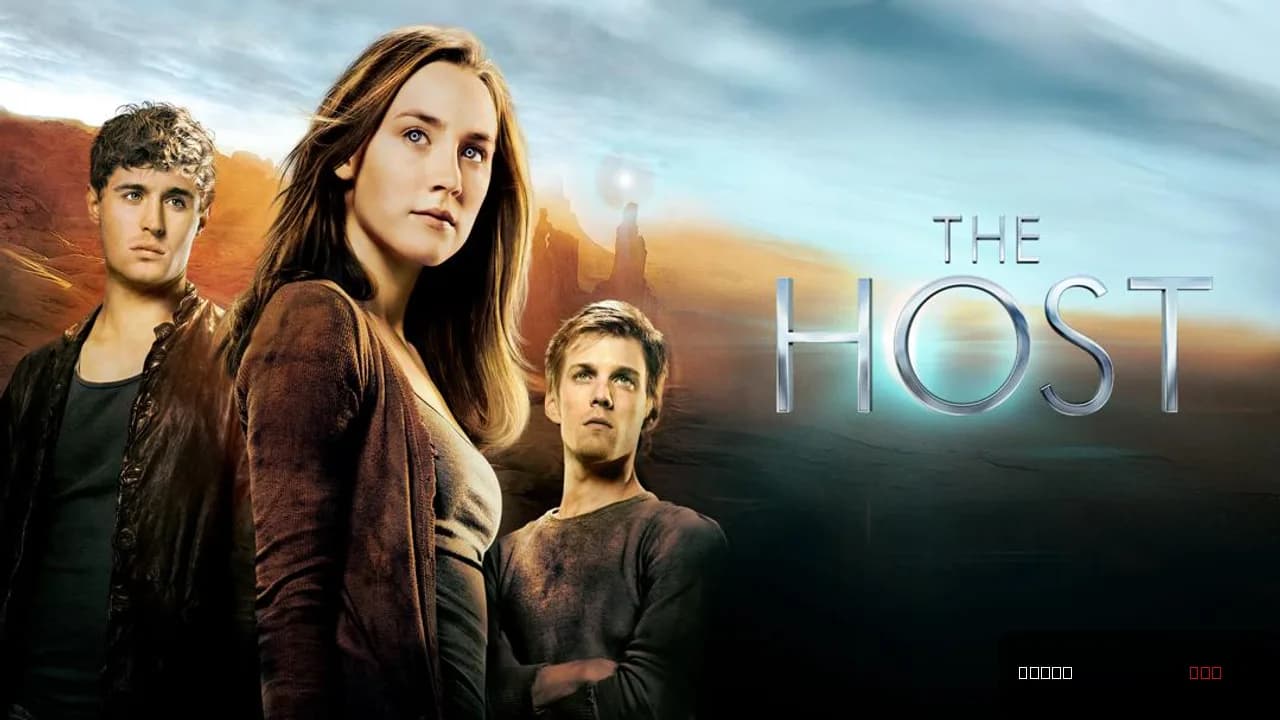
The Host drops you into a world that's already lost. Humanity has been conquered not by weapons or armies, but by parasitic organisms called Souls—alien intelligences that slip into human bodies and override consciousness entirely. The twist: the Souls aren't cruel. They're peaceful, benevolent even, convinced they're improving Earth by eliminating war, disease, and suffering. It's a chilling premise because the invaders genuinely believe they're the good guys. The film follows Melanie Stryder, a young woman captured and infused with a Soul named Wanderer. But unlike most humans, Melanie doesn't disappear quietly. Instead, she and Wanderer coexist in the same body, locked in an internal struggle for dominance. What unfolds is part romance, part survival thriller, part philosophical puzzle about what makes us human when two consciousnesses occupy the same flesh.
Director Andrew Niccol crafted a narrative that's less about explosions and more about the quiet horror of losing yourself from the inside out. The film's real conflict isn't external invasion—it's intimate, neurological, deeply personal. Melanie must protect her memories, her loved ones, and her sense of self while Wanderer slowly begins to question the very mission she was sent to accomplish. It's a premise that invites uncomfortable questions: If the Souls have genuinely ended human suffering, does resistance make Melanie a hero or a terrorist? The movie doesn't shy away from that moral ambiguity, which is either its greatest strength or its most frustrating limitation, depending on who's watching.
Behind the making of The Host and its adaptation journey
The Host arrived in 2013 as an ambitious adaptation of Stephenie Meyer's 2008 novel of the same name—a property that already carried considerable baggage from the Twilight phenomenon. Meyer's book had devoted readers, but the property also faced skepticism from mainstream audiences tired of the author's romantic sensibilities. Niccol, who'd previously written and directed Gattaca and The Truman Show, took on both writing and directing duties, signaling a commitment to translating Meyer's dense internal narrative into visual language. The cast brought serious pedigree: Saoirse Ronan (fresh from The Lovely Bones and Atonement) anchored the film as Melanie/Wanderer, while Max Irons, Jake Abel, Diane Kruger, William Hurt, and Frances Fisher rounded out an ensemble that suggested studio confidence in the material.
The production budget sat around $40 million, a substantial investment for a young-adult adaptation in 2013. The film was shot across multiple locations and released in March 2013 by Open Road Films. Box office returns, however, told a different story: The Host grossed roughly $150 million worldwide, which sounds healthy until you account for marketing spend and distribution costs—the film essentially broke even or underperformed against expectations. It didn't ignite the franchise ambitions many studios harbored for Meyer properties post-Twilight. The film earned a PG-13 rating, keeping it accessible to younger audiences, though the premise's darker elements sometimes strain against that restriction. Critically, it landed on the lower end of the spectrum, earning a 5.9 on IMDb and middling reviews that praised Ronan's performance while questioning whether Niccol's cerebral approach could sustain a two-hour narrative.
What makes The Host stand out despite mixed critical reception
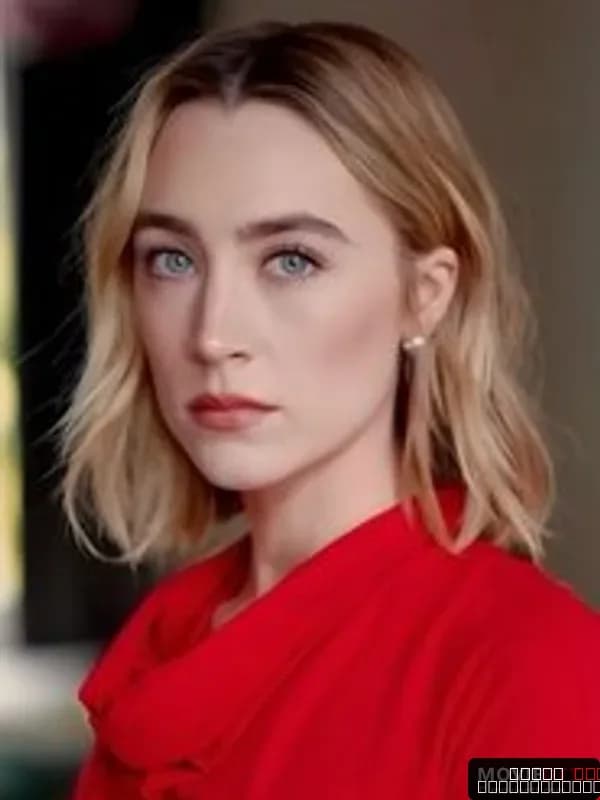
Here's what's striking: The Host works best when you stop expecting a traditional alien-invasion blockbuster. What Niccol delivers instead is something closer to a character study wrapped in sci-fi clothing. Saoirse Ronan's performance is genuinely the film's anchor—she manages the impossible task of playing two distinct consciousnesses sharing one body, and she does it without the campy theatricality that could've derailed the whole thing. Watch the scene where Melanie and Wanderer argue over which memories matter most, and you'll see Ronan shifting between defiance and curiosity, resentment and reluctant understanding. It's subtle work in a film that doesn't always receive credit for subtlety.
The film's thematic core—what does it mean to lose yourself? Can love survive when identity is contested?—gives it weight beyond typical young-adult fare. Niccol refuses to make the Souls simple villains. They're genuinely trying to save the planet, and that moral complexity is what haunts the film long after the credits roll. The romance between Melanie and Jared (Max Irons) becomes less about star-crossed lovers and more about the question of whether love can persist when the beloved is literally not entirely present anymore. That's not a comfortable emotional space for mainstream audiences, and it probably explains why critics were divided. Some found it philosophically ambitious; others found it slow and emotionally distant. The thing nobody mentions is that both reactions are valid—Niccol's cool, intellectual approach serves the material's ideas but can feel cold when you're hoping for raw human connection.
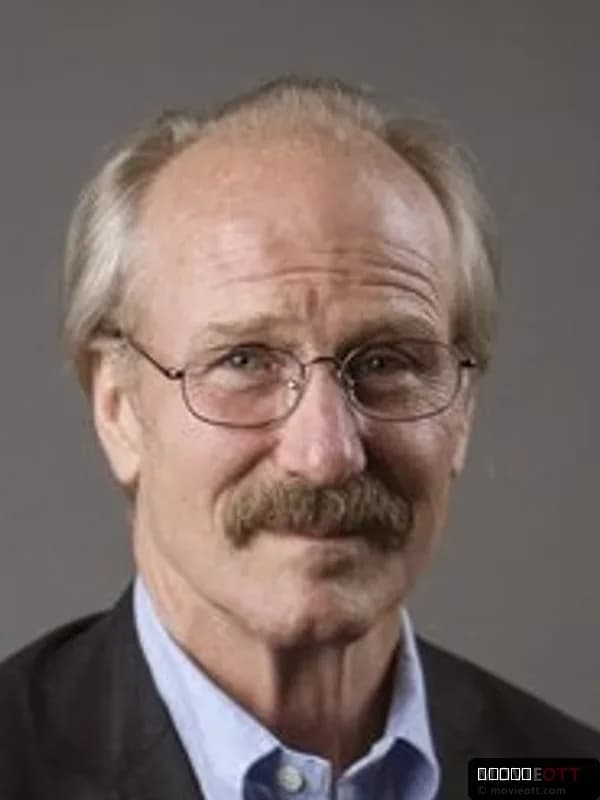
William Hurt brings gravitas to the role of Jeb Stryder, a human resistance leader, and his scenes ground the film's ideological conflicts in genuine stakes. Frances Fisher and Diane Kruger work with what they're given, though the script sometimes underutilizes them. The production design and cinematography create a sleek, clinical aesthetic that reinforces the Souls' vision of a perfected world—everything's clean, organized, peaceful. It's beautiful and suffocating at once.
Where to stream The Host online
If you're ready to watch The Host, you can find it on Prime Video. The film's availability varies by region and subscription tier, so check your local listings through the Where to Watch widget at the top of this page—it'll show you exactly which platforms currently have it in your area. Movie OTT keeps that information updated in real time, so you won't waste time hunting for it. The 120-minute runtime means it's a solid evening commitment, and you'll want to watch it in one sitting to maintain the internal tension between Melanie and Wanderer. Streaming it at home actually suits the film's intimate, cerebral tone better than a theatrical experience would have.
Frequently asked questions
Q: Is The Host based on a true story?
No. The Host is adapted from Stephenie Meyer's 2008 science fiction novel of the same name. While the themes explore real philosophical questions about identity and consciousness, the story itself is entirely fictional.
Q: Who directed The Host?
Andrew Niccol wrote and directed The Host. He's also known for writing and directing Gattaca (1997) and The Truman Show (1998), as well as directing In Time (2011) and The Adjustment Bureau (2011).
Q: What's the runtime of The Host?
The film runs 120 minutes (two hours), which gives Niccol enough space to explore the philosophical and romantic dimensions of the story without feeling rushed.
Q: Why did The Host underperform at the box office?
Despite a $40 million budget and strong cast, The Host grossed around $150 million worldwide—respectable on the surface, but insufficient to justify studio expectations for a franchise starter. The film's cerebral, slower-paced approach didn't align with what mainstream audiences expected from a young-adult sci-fi thriller in 2013.
Q: Is there a post-credits scene in The Host?
Yes, The Host includes a scene during the credits that offers a coda to the main narrative. It's worth staying through the credits rather than leaving immediately.
Final thoughts on whether The Host deserves a second look
The Host won't be for everyone. If you're looking for action-packed alien combat and clear moral lines between good and evil, look elsewhere. But if you're drawn to science fiction that trusts its audience to sit with uncomfortable questions about identity, consciousness, and what we owe to those we love—even when they're not entirely themselves anymore—this film has something to offer. Ronan's performance alone justifies the watch. It's a film that's grown in retrospective appreciation, even if it didn't land commercially in 2013. Sometimes the best science fiction isn't about what happens to the world. It's about what happens inside a single mind when the world changes everything.