









Unpacking the Premise of The Human Condition I: No Greater Love
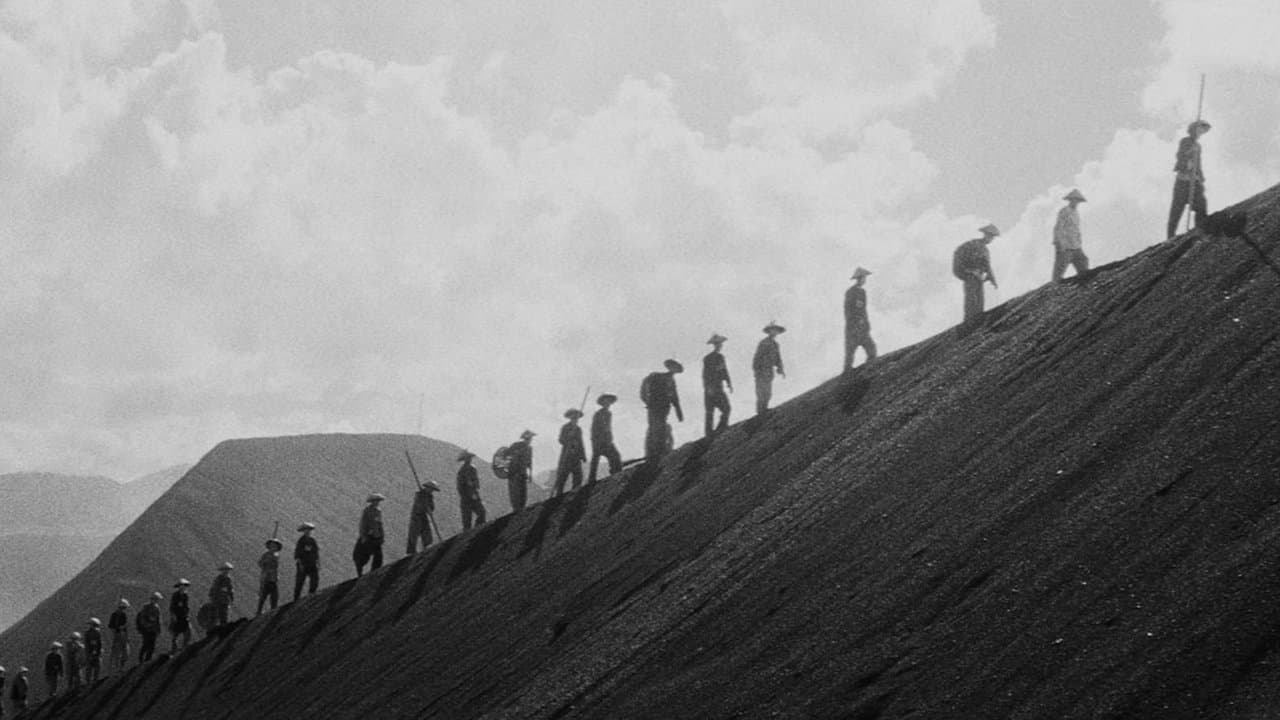
The Human Condition I: No Greater Love, a foundational piece in the revered The Human Condition Collection, transports audiences to 1943 Manchuria, where the lines between idealism and brutal reality blur. Our protagonist, Kaji, is a Japanese intellectual whose progressive views on labor reform are initially met with an unexpected opportunity. After submitting a detailed report advocating for the humane treatment of Chinese colonial workers, he's offered a seemingly advantageous position: labor chief at a significant mining operation. This role, crucially, also grants him exemption from the conscription that would send him directly to the front lines. Kaji accepts, moving with his newlywed wife, Michiko, hopeful of implementing his humanitarian principles. However, his aspirations quickly collide with a ruthless system populated by corrupt officials, unforgiving foremen, and the ever-present, oppressive military police. It's a clash of conscience against an inhumane machine, setting the stage for an epic struggle against the dehumanizing forces of war and colonial exploitation. You can keep track of where this monumental film is streaming right here on Movie OTT.
The Enduring Legacy and Craft Behind The Human Condition I: No Greater Love
Released in 1959, The Human Condition I: No Greater Love isn't just a film; it's the towering first installment of Masaki Kobayashi's legendary The Human Condition Collection, a trilogy that collectively spans over nine hours. This initial entry itself clocks in at an ambitious 204 minutes—a runtime that allows for an astonishing depth of character development and narrative scope rarely seen in cinema. Produced by Ninjin Club, this Japanese epic immediately established its gravitas, earning widespread critical acclaim upon its debut. The film’s historical accuracy and unflinching depiction of wartime atrocities, coupled with its profound philosophical underpinnings, quickly cemented its place in cinematic history. Its impressive IMDb rating of 8.134/10 speaks volumes about its enduring impact and the consistent appreciation it receives from audiences and critics alike decades later. What's striking is how a film of such immense scale and moral weight managed to navigate the complexities of production in post-war Japan, delivering a vision that was both grand and intensely personal. Film historians often cite its meticulous direction and powerful performances as benchmarks for war dramas, echoing a sentiment that, "Kobayashi's vision here wasn't just storytelling; it was a moral imperative laid bare on screen." This isn't just a movie; it's an experience.
Why The Human Condition I: No Greater Love Continues to Captivate
What makes The Human Condition I: No Greater Love such a powerful and enduring cinematic achievement? It’s the film’s relentless dedication to exploring the human spirit under extreme duress, framed by the brutal realities of war, drama, and history. Audiences consistently praise its "well-written, well-directed, well-acted story," as one viewer noted, highlighting its ability to deliver both entertainment and profound social commentary. The film doesn't shy away from depicting the horrors faced by colonial laborers, nor does it simplify the moral quandaries of its protagonist, Kaji. His journey is a harrowing descent into a bureaucratic and violently oppressive system, where every attempt to instill humane practices is met with vicious resistance. This isn't a story with easy answers. Instead, it forces viewers to grapple with universal themes of justice, empathy, and the corrupting influence of power, making it incredibly relevant even today. I keep coming back to Kaji's unwavering, almost naive, belief in human decency—even when faced with overwhelming evil. That's a core strength. The film's sprawling narrative allows for nuanced character arcs and a deep dive into the systemic injustices of the period, creating a truly immersive and thought-provoking experience. It’s a bold, creative statement, and a film that truly has something important to say about life and the world. For a truly comprehensive look at what makes this film special, and to discover its place among other historical epics, check out more reviews and insights on movieott.com.
Where to Stream The Human Condition I: No Greater Love Online
For those eager to experience the cinematic masterpiece that is The Human Condition I: No Greater Love, you're in luck. This iconic 1959 war drama is currently available on major OTT services, ensuring accessibility for a wide audience of cinephiles and history buffs alike. To find the most up-to-date streaming options, simply refer to the "Where to Watch" widget located at the top of this very page. Our dedicated team at Movie OTT works tirelessly to track current availability across all leading platforms, saving you the hassle of searching multiple sites. Whether you prefer to rent, purchase, or subscribe, the widget will guide you directly to the platforms offering this profound film. Don't miss out.
Frequently asked questions
Q: Is The Human Condition I: No Greater Love part of a series? A: Yes, The Human Condition I: No Greater Love is the first installment in Masaki Kobayashi's monumental The Human Condition Collection trilogy. It sets the stage for a sprawling narrative that continues across two subsequent films.
Q: How long is The Human Condition I: No Greater Love? A: This epic film has a substantial runtime of 204 minutes. Its considerable length is integral to its comprehensive exploration of Kaji's journey and the brutal realities of wartime Manchuria.
Q: What is the IMDb rating for The Human Condition I: No Greater Love? A: The film holds an impressive 8.134/10 rating on IMDb. This high score reflects its critical acclaim and enduring popularity among audiences who appreciate its depth and power.
Q: When was The Human Condition I: No Greater Love originally released? A: The Human Condition I: No Greater Love first premiered in 1959. It's a testament to its timeless themes that it remains a deeply impactful watch decades after its initial release.
Q: Where can I watch The Human Condition I: No Greater Love? A: You can stream The Human Condition I: No Greater Love on major OTT services. For the most current and comprehensive list of platforms, please consult the "Where to Watch" widget on this Movie OTT page.
Who Should Experience The Human Condition I: No Greater Love?
The Human Condition I: No Greater Love is an essential watch for anyone interested in classic international cinema, war dramas that transcend mere spectacle, or films that grapple with profound moral and philosophical questions. If you appreciate sprawling narratives that take their time to develop characters and themes, you'll find yourself utterly immersed in Kaji's struggle. It's a challenging film, no doubt—its length and subject matter demand attention—but the rewards are immense. Honestly, films of this caliber don't come around often. Prepare for a powerful, thought-provoking experience that will stay with you long after the credits roll.