Unraveling the Tragic Love Story in The Hunchback of Notre Dame (1982)
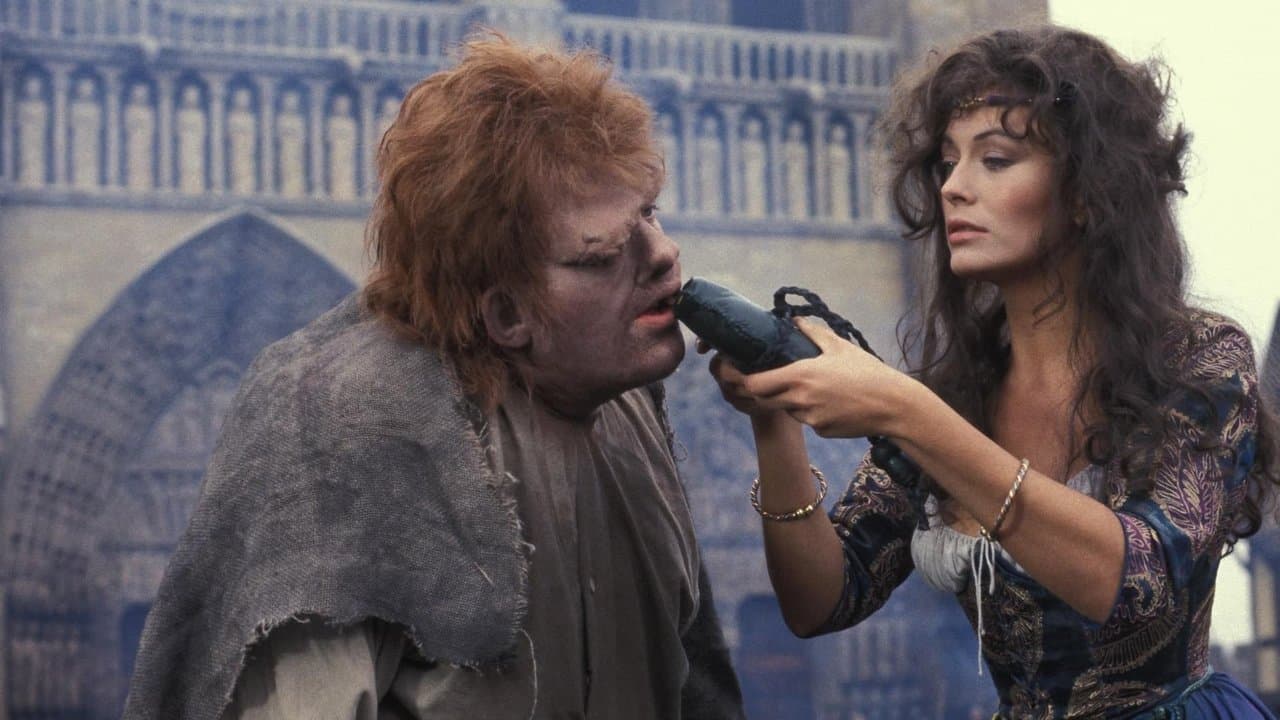
The Hunchback of Notre Dame, the 1982 television film, transports viewers to 15th-century Paris, setting the stage for one of literature's most enduring tales of love, obsession, and societal prejudice. At its heart is Quasimodo, the deaf and disfigured bell-ringer of the magnificent Notre Dame Cathedral, whose isolated existence is profoundly altered by a chance encounter. His world, confined largely to the towering spires and echoing chambers of the cathedral, expands when he meets Esmeralda, a captivating gypsy dancer whose beauty and free spirit enchant the city's populace. What unfolds is a complex web of unrequited love and dangerous desires, as not only Quasimodo but also his austere guardian, Archdeacon Frollo, and a charming but impoverished street poet, fall under Esmeralda's spell. The narrative quickly escalates into peril when Esmeralda is unjustly accused of witchcraft, leading to a desperate struggle for her survival and Quasimodo's courageous fight to offer her sanctuary within the sacred walls of his home. It's a potent start to a truly heartbreaking story.
The Distinguished Production and Cast of The Hunchback of Notre Dame (1982)
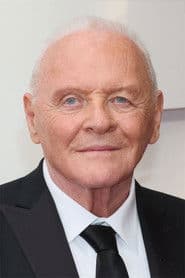
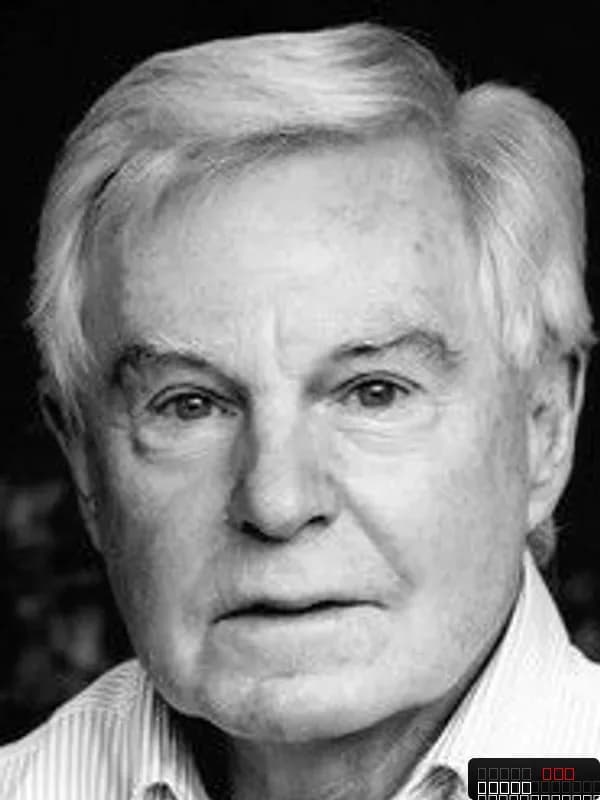
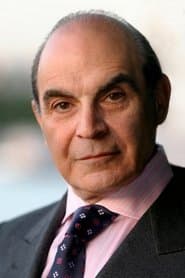
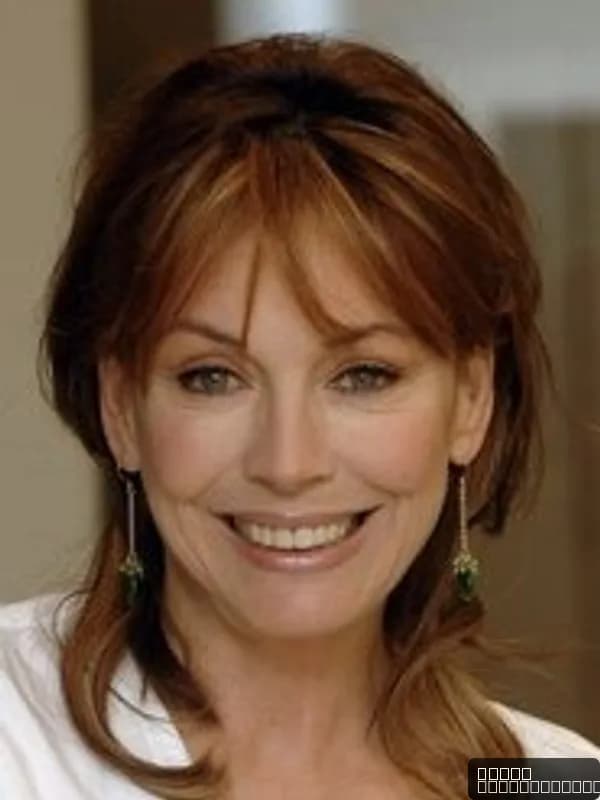
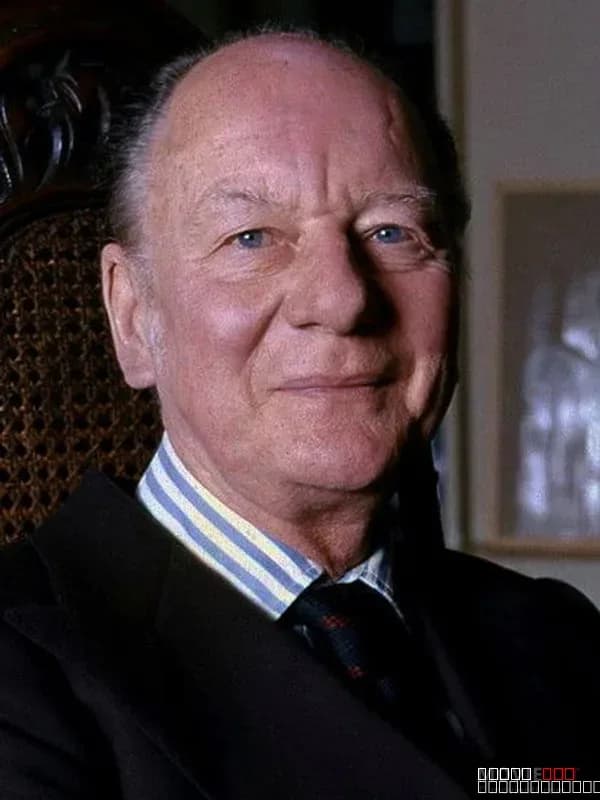
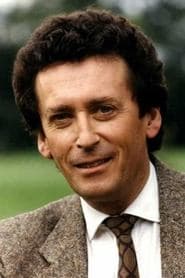
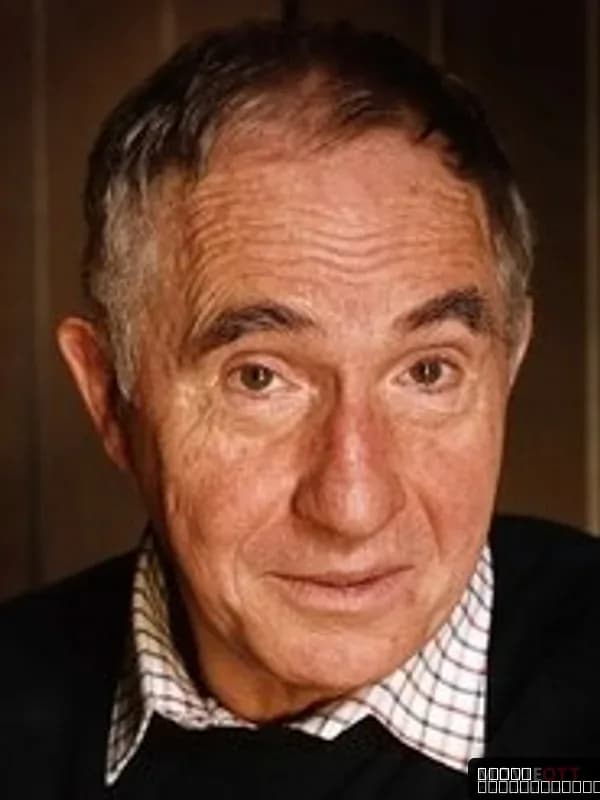
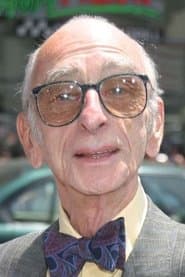
This particular rendition of The Hunchback of Notre Dame emerged as a significant made-for-television event in 1982, produced by Columbia Pictures Television and Rosemont Productions. The film was a highlight of the long-running Hallmark Hall of Fame series, which was known for its quality dramatic presentations, and it premiered on CBS on February 4, 1982. Directed by Michael Tuchner and Alan Hume, with Norman Rosemont and Malcolm J. Christopher at the helm as producers, the team opted for an authentic European feel, with filming taking place at Pinewood Studios in England—a choice that lent a certain gravitas to the Gothic romance aesthetic. The cast assembled for this production was nothing short of stellar, featuring some of the era's most respected British actors. Anthony Hopkins, in a physically demanding and emotionally layered role, portrays Quasimodo, bringing a nuanced humanity to the character beneath layers of prosthetics. Lesley-Anne Down embodies the radiant Esmeralda, capturing her allure and vulnerability. Derek Jacobi plays the conflicted Archdeacon Frollo, whose dark obsession drives much of the tragedy, and the legendary John Gielgud adds his immense presence in a supporting role. The film, clocking in at 102 minutes, aimed to deliver a comprehensive adaptation of Victor Hugo's sprawling 1831 novel, a considerable feat for a television movie. While its IMDb rating stands at a respectable 5.8/10, it's clear the ambition and talent involved were substantial.
Why The Hunchback of Notre Dame (1982) Continues to Captivate Viewers
Despite being a television film from the early '80s, The Hunchback of Notre Dame holds a distinct place in the pantheon of adaptations due to several compelling elements. What's striking is Anthony Hopkins's performance as Quasimodo; he doesn't just play the role, he inhabits it, conveying profound pathos and inner nobility through his eyes and body language, even under heavy makeup. You really feel his anguish and his fierce, protective love. As one contemporary critic reportedly observed, "Hopkins' Quasimodo is a masterclass in conveying silent suffering, making you forget the prosthetics and see only the soul." The film excels in its atmosphere, too. The Pinewood Studios setting, combined with thoughtful direction, creates a moody, evocative medieval Paris, a character in itself. The costume design and sets, while perhaps constrained by a TV budget, manage to convey the period's grandeur and squalor. The narrative, though condensed from Hugo's extensive novel, maintains the core themes of beauty versus ugliness, justice versus prejudice, and the concept of true sanctuary. It also doesn't shy away from the darker, more tragic aspects of the story, making it a powerful and often heartbreaking experience. The intricate interplay between the characters — Esmeralda's captivating innocence, Frollo's torment, and Quasimodo's unwavering devotion — provides a rich dramatic tapestry that keeps viewers invested in the fate of these doomed figures, even knowing the story's grim trajectory.
Where to Stream The Hunchback of Notre Dame (1982) Today
For those eager to revisit this classic TV movie or experience Anthony Hopkins's impactful performance for the first time, The Hunchback of Notre Dame (1982) is currently available across various major OTT services. Finding it shouldn't be too difficult, as many platforms recognize the enduring appeal of such a well-regarded adaptation. While specific availability can shift, you'll generally find it listed on services that host a wide range of classic films and made-for-television productions. To simplify your search and ensure you're always getting the most up-to-date streaming information, Movie OTT provides a comprehensive overview. Our site aggregates current listings, so you can quickly check the 'Where to Watch' widget at the top of this page to see precisely which platforms are offering the film right now. We're constantly updating our database to help you connect with your favorite movies, no matter where they're streaming.
Frequently asked questions
Q: When was The Hunchback of Notre Dame (1982) first released?
This television film adaptation of The Hunchback of Notre Dame originally premiered on CBS on February 4, 1982. It was a notable entry in the long-running Hallmark Hall of Fame series.
Q: Who are the main stars in the 1982 version of The Hunchback of Notre Dame?
The film features an impressive cast, including Anthony Hopkins as Quasimodo, Lesley-Anne Down as Esmeralda, Derek Jacobi as Archdeacon Frollo, and John Gielgud in a supporting role.
Q: Is the 1982 The Hunchback of Notre Dame a faithful adaptation of Victor Hugo's novel?
Yes, the 1982 TV movie is generally considered a faithful adaptation, capturing the core plot, character dynamics, and tragic themes of Victor Hugo's 1831 novel, albeit within a 102-minute runtime.
Q: What genres does The Hunchback of Notre Dame (1982) fall under?
The 1982 film is categorized primarily as a Drama and Romance, with elements of TV Movie and Horror, reflecting its Gothic novel origins and intense thematic content.
Final Thoughts on The Hunchback of Notre Dame (1982)
For fans of classic literature brought to the screen, or those simply seeking a powerful, character-driven drama, the 1982 version of The Hunchback of Notre Dame is certainly worth your time. It's a testament to the enduring power of Victor Hugo's narrative and the talent of its lead actors. Anthony Hopkins's portrayal alone makes this 102-minute film a compelling watch, his performance a masterclass in non-verbal communication and raw emotion. If you appreciate historical dramas with a strong romantic and tragic core, this made-for-television gem from Columbia Pictures Television still holds up. We're confident that anyone looking for a thoughtful adaptation of a literary classic will find much to appreciate here. Movie OTT is always here to guide you to such timeless stories.