






The story of The Inheritance and its central moral conflict
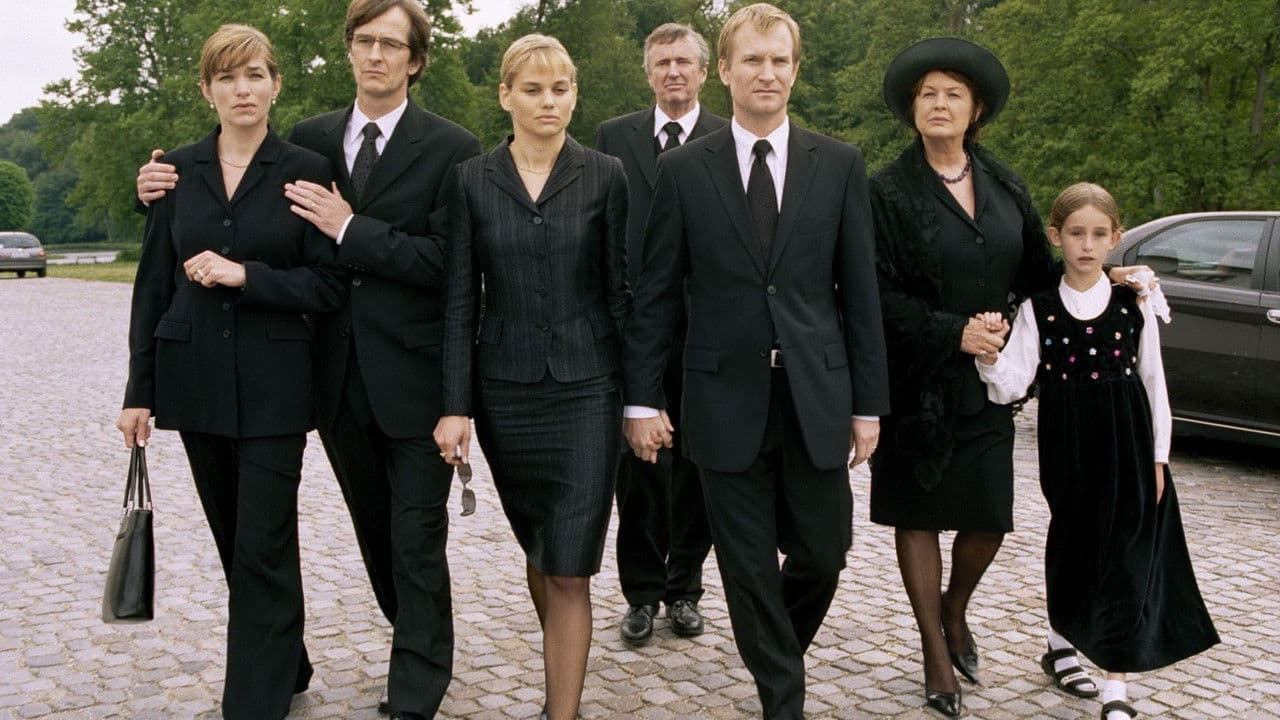
The Inheritance follows Christoffer, a young Danish man who's built a life of genuine contentment in Stockholm with his wife Maria. He's got the thing most people spend their whole lives chasing: happiness. But then his father dies, and suddenly everything shifts. His mother arrives with an ultimatum wrapped in tradition and family obligation — the family's industrial business is hemorrhaging money, and she expects him to step in as manager. It's the kind of inheritance that doesn't come with money or property. It comes with weight.
What makes this premise work isn't the setup itself — it's the impossible middle ground Christoffer finds himself in. He can't just refuse. He can't just stay. The film doesn't present this as a simple choice between selfishness and duty. Instead, it's messier than that.
Behind the making of The Inheritance and its place in Danish cinema
The Inheritance arrived in 2003 as part of Per Fly's trilogy — a series of interconnected films exploring family, ambition, and the weight of Scandinavian expectations. Produced by Zentropa Entertainments, the film carries the stamp of Danish quality cinema that emerged in the late 1990s and early 2000s, a period when Nordic filmmaking began gaining serious international traction. The 116-minute runtime gives the story room to breathe, refusing to rush Christoffer's deterioration or his internal conflict.
Zentropa, founded by Lars von Trier and Peter Aalbæk Jensen, has always championed ambitious, character-driven work — and The Inheritance fits squarely into that DNA. The film didn't become a massive box-office phenomenon, but it found its audience among critics and viewers who appreciate slower, more psychological explorations of family dynamics. On IMDb, it holds a 6.5/10 rating, which tells you something important: this isn't a crowd-pleaser. It's a film that divides opinion, which is often the mark of something honest rather than something safe. Movie OTT tracks where titles like this land across streaming platforms, making it easier to find the kind of character-driven European cinema that doesn't always get prime real estate on Netflix's homepage.
Why The Inheritance endures as a study of personal dissolution
What's striking about The Inheritance is how it doesn't punish Christoffer for his choice — it just shows us what happens. He takes over the business. His marriage starts to unravel. His sense of self gets ground down by spreadsheets, employee disputes, and the sheer weight of inherited expectation. There's no dramatic confrontation where his wife storms out. There's no triumphant scene where he reclaims his life. Instead, it's the slow, quiet erosion of everything he was.
The performances carry this weight without melodrama. You'll watch Christoffer's face change across the film — not through big emotional beats, but through the accumulation of small surrenders. That's the thing about this movie that stays with you: it understands that some damage isn't visible from the outside. His family life doesn't languish in one climactic scene. It languishes in a hundred small moments, in conversations that don't happen, in the gap that opens between two people who still share a bed but no longer share a life.
The film also works because it doesn't let his mother off easy, and it doesn't demonize her either. She's not a villain. She's a woman trying to preserve something she believes matters — even if what she's preserving costs her son everything. That moral ambiguity is what separates The Inheritance from more conventional family dramas. It refuses to give you a villain to hate or a hero to root for. It gives you people making impossible choices, and you're left to sit with the consequences.
Where to stream The Inheritance online
The Inheritance is currently available on major OTT services. If you're hunting for it, you can check the Where to Watch widget at the top of this page to see which platforms have it in your region right now — streaming availability shifts constantly, and Movie OTT keeps that information up to date across Netflix, Prime Video, and other major services. It's the kind of film that rewards a dedicated search, the sort of European drama that doesn't always get prominent placement but absolutely deserves your attention if you find it.
Frequently asked questions
Q: Is The Inheritance based on a true story?
No, The Inheritance is a fictional drama, though it draws on universal themes about family obligation and inheritance that feel deeply rooted in real life. The specifics of Christoffer's situation are invented, but the emotional truth of the conflict is something many people recognize.
Q: Who directed The Inheritance and what's his other work?
Per Fly directed The Inheritance as part of his trilogy exploring Scandinavian family dynamics. He's known for character-driven, psychologically complex films that don't rely on plot mechanics to carry meaning — his work consistently prioritizes emotional authenticity over narrative convenience.
Q: What does the film say about family duty versus personal happiness?
The Inheritance doesn't take a side. It shows how choosing duty can destroy happiness, but it also shows why people feel obligated to make that choice. The film suggests that some conflicts don't have solutions — only consequences.
Q: How long is The Inheritance?
The film runs 116 minutes, which gives the story enough space to develop slowly and let you feel the weight of Christoffer's situation accumulating over time rather than rushing toward resolution.
Q: Where can I watch The Inheritance?
You can stream The Inheritance on major OTT platforms — check the Where to Watch widget on this page to see current availability in your region, as it changes frequently across different services.
Final thoughts on The Inheritance
The Inheritance isn't a feel-good movie, and it doesn't pretend to be. It's a film about what happens when you inherit more than just money — when you inherit expectation, history, and the weight of other people's dreams. If you're looking for something that'll challenge you, that won't resolve neatly, that trusts you to sit with discomfort, this is it. It's the kind of film that lingers long after the credits roll, the kind that makes you think about your own choices and obligations. That's worth your time.