


What The Invisible Man is About
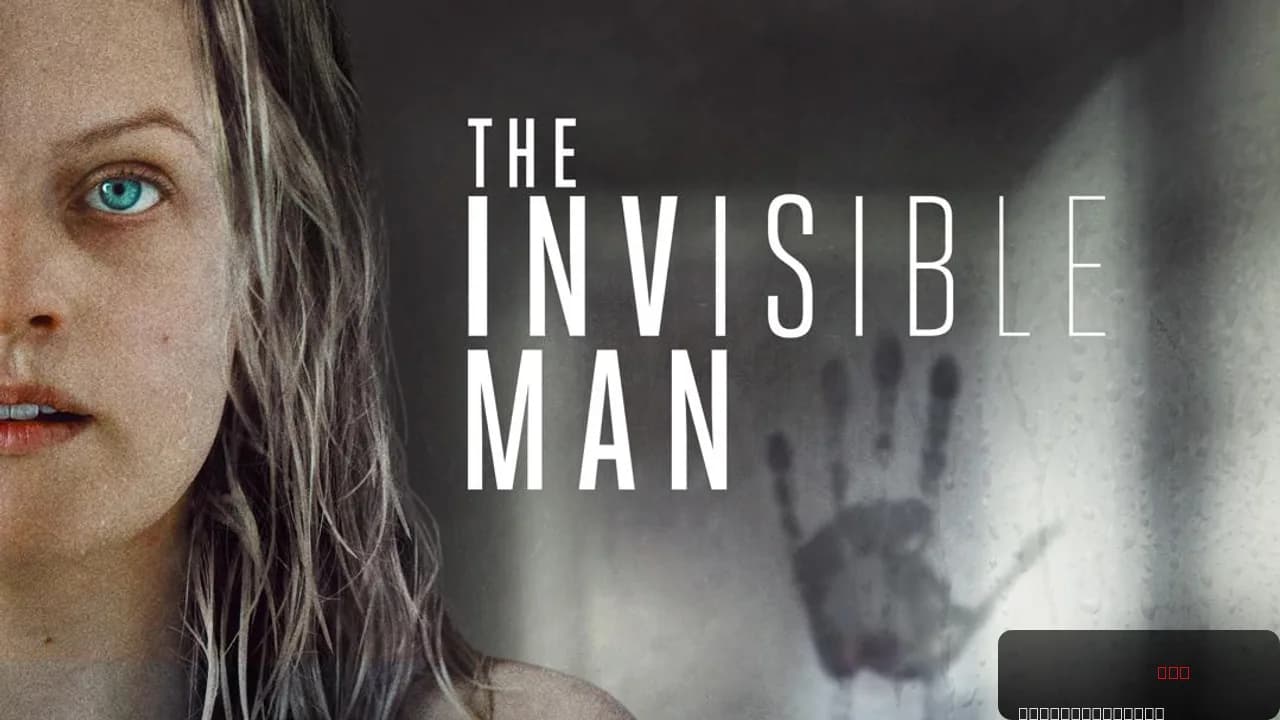
The Invisible Man opens with a woman named Cecilia Kass (Elisabeth Moss) fleeing her abusive boyfriend Adrian Griffin in the dead of night. She's terrified, desperate, and convinced she'll never escape him. Then comes news that Adrian—a brilliant but unstable optics scientist—has taken his own life. Relief washes over her. It's over. Except it isn't. Cecilia begins experiencing inexplicable events: objects moving on their own, invisible hands leaving bruises, a presence she can feel but nobody else can see. She's convinced Adrian has found a way to become invisible, and he's using that power to torment her. When the police dismiss her claims as grief-fueled paranoia and her own family starts to doubt her sanity, Cecilia realizes she's on her own. The Invisible Man becomes less about supernatural horror and more about a woman cornered by both a predator and a world that won't protect her.
Behind the Making of The Invisible Man
Director Leigh Whannell—known for his work on the Saw franchise and the 2015 film Upgrade—took on this adaptation as a loose reimagining of H.G. Wells's 1897 novel, transforming it into something far more contemporary and grounded in real-world terror. Rather than treating invisibility as a gimmick, Whannell weaponizes it as a metaphor for domestic abuse and institutional failure. The film was shot on a modest budget but earned $70.4 million globally, proving that smart genre filmmaking could connect with audiences at scale. Elisabeth Moss, fresh from her acclaimed work on The Handmaid's Tale, anchors the entire film with a performance that oscillates between vulnerability and steely determination. The supporting cast—Aldis Hodge as her supportive friend James, Storm Reid as his daughter Sydney, and Oliver Jackson-Cohen as the chilling Adrian—creates a web of relationships that feel genuinely lived-in rather than functional.
The film earned an R rating for violence and language, and critics took notice: it scored a 72 on Metacritic and a 7.1 on IMDb across nearly 300,000 votes. The accolades followed, with 40 wins and 82 nominations across various award bodies. What's striking is that Whannell managed to make a film about a man you never see (in the traditional sense) feel genuinely claustrophobic and intimate. The 124-minute runtime never feels bloated—every scene either builds dread or deepens character.
Why The Invisible Man Stands Out in Modern Horror
What makes The Invisible Man work isn't the invisibility itself—it's what the invisibility means. The film uses negative space brilliantly, forcing viewers to stare at empty doorways and blank walls, scanning for movement, for a shadow, for something. That anxiety becomes the film's heartbeat. Whannell doesn't rely on jump scares (though there are a few effective ones); instead, he trusts the audience to understand that the real horror is powerlessness. Cecilia can't fight what she can't see. The police can't arrest what they can't prove exists. Her family can't support what they can't believe in. It's gaslighting made literal—and it's absolutely suffocating.
Elisabeth Moss carries the entire weight of this film on her shoulders, and she's magnificent. There's a scene where she's sitting in a car, barely breathing, waiting for an attack that may or may not come—and you feel every second of it. The supporting cast grounds the film in emotional reality: Aldis Hodge brings warmth and protective instinct to James, while Oliver Jackson-Cohen makes Adrian menacing even when he's completely unseen (which is most of the time). Critics noted that Whannell uses on-screen and off-screen space like a master composer, treating silence and emptiness as tools rather than failures. The film doesn't shy away from its anger about how systems fail women, but it never lectures—it shows, and that restraint makes it hit harder. You don't have to squint to see the parallels to real abuse, and that's exactly the point.
Where to Stream The Invisible Man Online
The Invisible Man is currently available on Prime Video, where you can rent or purchase it depending on your preference. If you're hunting for where to watch, Movie OTT tracks current streaming availability across all major platforms, so you can always check if it's moved to additional services in your region. Since streaming catalogs shift frequently, it's worth verifying availability before you settle in. The film's 124-minute runtime makes it a solid evening watch, and the taut pacing means you won't be checking your phone halfway through.
Frequently Asked Questions
Q: Is The Invisible Man based on a true story?
No, it's a loose adaptation of H.G. Wells's 1897 novel The Invisible Man, reimagined by director Leigh Whannell as a contemporary horror-thriller about domestic abuse rather than a straightforward science-fiction tale.
Q: Who directed The Invisible Man?
Leigh Whannell wrote and directed the film. He's known for his work on the Saw franchise and the 2015 film Upgrade, bringing his signature style of smart, character-driven genre cinema to this reimagining.
Q: How long is The Invisible Man?
The film runs 124 minutes, allowing Whannell to build sustained tension and develop the relationships between characters without feeling rushed or bloated.
Q: What's the IMDb rating for The Invisible Man?
The film holds a 7.1 out of 10 on IMDb based on nearly 281,000 votes, with a Metascore of 72, indicating strong critical and audience reception.
Q: Is The Invisible Man rated R?
Yes, it carries an R rating for violence and language. It's not a film for younger viewers, but the violence serves the story rather than existing for its own sake.
Q: Where can I watch The Invisible Man right now?
The Invisible Man is currently streaming on Prime Video. For the most up-to-date list of platforms offering the film in your region, check the Where to Watch widget at the top of this page—Movie OTT keeps that information current so you don't have to hunt through multiple apps.
Final Thoughts on The Invisible Man
The Invisible Man isn't perfect—some plot contrivances in the third act feel a bit convenient, and not every genre flourish lands—but it's a rare mainstream horror film that uses its premise to say something real about power, belief, and survival. Elisabeth Moss's performance alone makes it worth your time, but what lingers is Whannell's refusal to look away from the mundane terror of not being believed. It's a film that works as both a thriller and a statement, which isn't easy to pull off. If you haven't seen it yet, it's absolutely worth 124 minutes of your evening.