What The Last Gangster is about
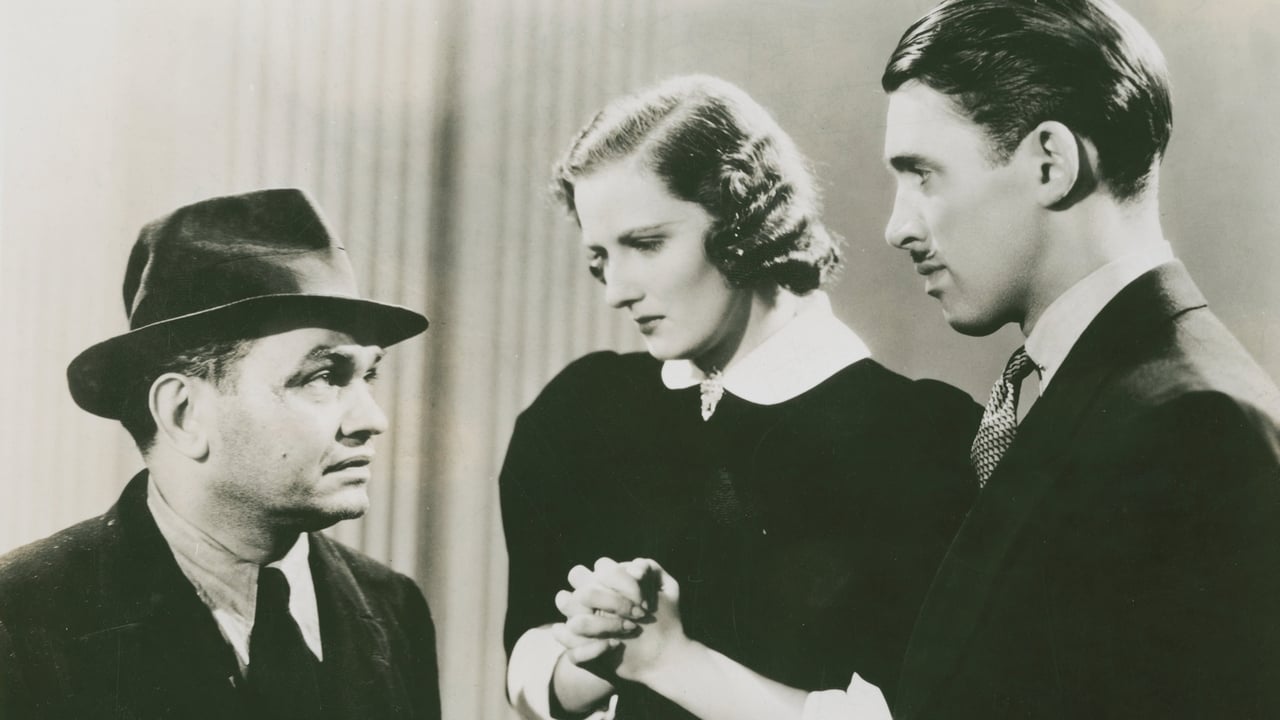
The Last Gangster opens on a man trying to rebuild his life after ten years behind bars. Edward G. Robinson's character—a once-powerful crime boss—has served his time and wants nothing more than to reconnect with the family he left behind. He's searching for his ex-wife and their son, hoping for a fresh start. But the underworld doesn't work that way. His old gang hasn't forgotten him, and they're not interested in his redemption. They know he's hiding something valuable—a stash of loot he buried before his arrest—and they're willing to use his own child as a bargaining chip to make him talk. What unfolds is a tense game of manipulation and desperation, where one man's attempt at redemption collides with the brutal logic of organized crime.
Behind the making of The Last Gangster
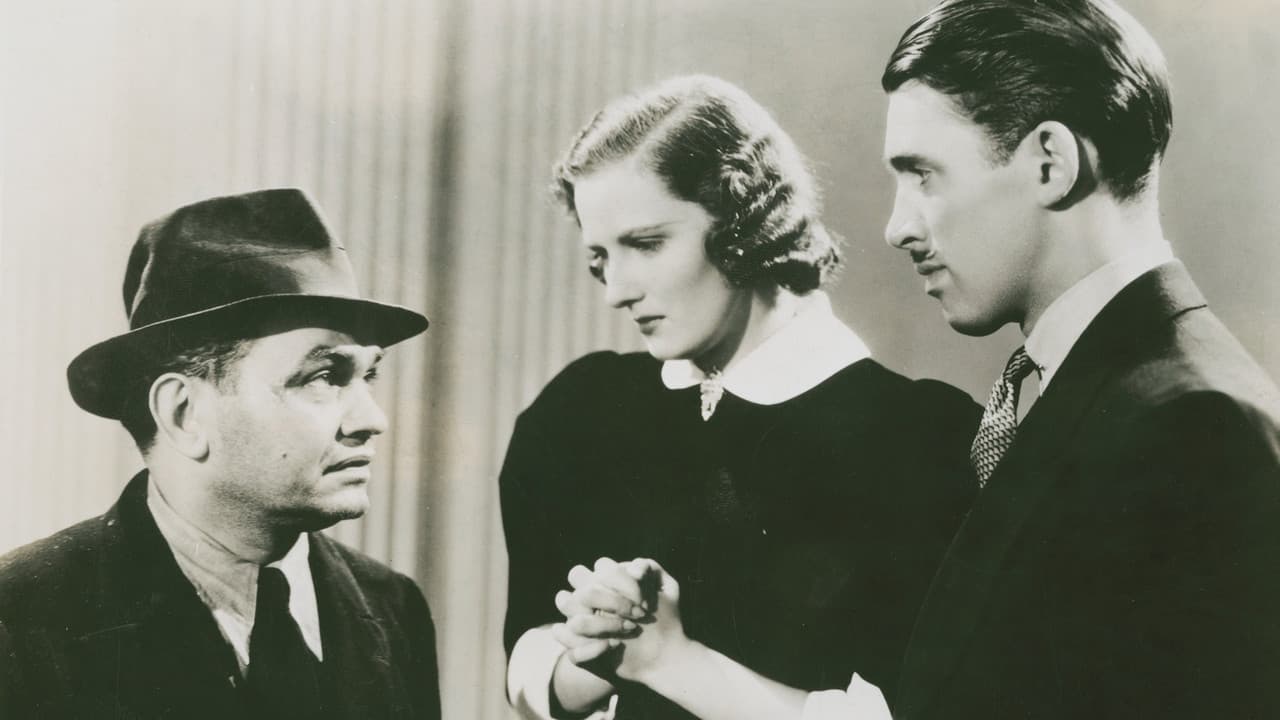
Produced by Metro-Goldwyn-Mayer during the golden age of Hollywood crime dramas, The Last Gangster arrived in 1937 with considerable star power behind it. Director Edward Ludwig helmed the project with a cast that reads like a who's who of 1930s character acting. Robinson, already established as Hollywood's go-to gangster after his iconic roles in Little Caesar and Scarface, anchors the film with his characteristic intensity. But what made this production particularly notable was the pairing of Robinson with James Stewart in a significant supporting role—Stewart was still in the early stages of his career, before his transformation into a major leading man. The ensemble also featured Rose Stradner, Lionel Stander, and John Carradine, each bringing weight to their roles. The film clocked in at 81 minutes, a lean runtime that reflects the studio's confidence in the material. MGM wasn't experimenting here; they were leveraging proven talent and a proven formula. The production values reflect the studio system at its most efficient—polished, professional, and designed to move audiences through a tight narrative without wasted moments. While specific box office figures from 1937 are difficult to pin down with precision, the film's theatrical release represented a significant studio investment in what was then a hot genre.
What makes The Last Gangster stand out
What's striking about The Last Gangster is how it refuses easy answers about redemption and family. Robinson's performance carries a weight that goes beyond typical gangster-picture bombast. There's a quiet desperation underneath—he's not the flashy crime boss anymore, and that loss of power seems to haunt him more than any prison sentence could. The film taps into something genuinely uncomfortable: the idea that even when a criminal wants to change, the world won't let him. His gang doesn't believe in his reformation because they can't afford to. They need him to remain useful, remain vulnerable, remain trapped in the role he's always played. Stewart, in his supporting capacity, brings an earnestness that contrasts sharply with the film's darker impulses. The tension between these performances—Robinson's weary cynicism and Stewart's relative innocence—creates a dynamic that keeps the narrative from settling into predictability. The thing nobody mentions is that this isn't really a gangster picture in the traditional sense. It's almost a tragedy about a man caught between two impossible versions of himself: the criminal he was and the father he wants to be. That psychological tension, more than any plot twist, is what lingers after the credits roll.
Where to stream The Last Gangster online
If you're looking to catch this 1937 classic, you'll find it available on major OTT services. Rather than hunting across multiple platforms individually, Movie OTT tracks current streaming availability in real time, so you can see exactly which service has The Last Gangster right now—availability shifts regularly, and the widget at the top of this page will show you the most up-to-date options. The film's age means it's entered the public domain in some territories, making it more widely available than newer releases. Whether you're accessing it through a major streaming platform or a classic film archive, the 81-minute runtime makes it an easy fit into an evening's viewing.
Frequently asked questions
Q: Who directed The Last Gangster?
Edward Ludwig directed The Last Gangster. Ludwig was a prolific director working throughout the 1930s and 1940s, though he's less remembered today than some of his contemporaries. His work on this film showcases his ability to handle ensemble casts and maintain narrative momentum.
Q: What year was The Last Gangster released?
The Last Gangster premiered in 1937, during the golden age of Hollywood's crime drama cycle. It arrived at a moment when audiences were fascinated by stories of organized crime and the underworld.
Q: Is The Last Gangster based on a true story?
The Last Gangster is a fictional screenplay, not based on a specific real-life criminal or event. That said, it draws on the general atmosphere and patterns of 1930s organized crime that were very much part of the public consciousness at the time.
Q: How long is The Last Gangster?
The film runs 81 minutes, making it a briskly paced crime drama typical of the studio-system era when efficiency and narrative momentum were paramount.
Q: Where can I watch The Last Gangster?
The Last Gangster is available on major OTT platforms. Check the where-to-watch widget at the top of this page for current streaming options, as availability varies by region and changes frequently.
Final thoughts on The Last Gangster
The Last Gangster doesn't reinvent the crime drama, but it executes the formula with intelligence and restraint. Robinson's world-weary performance and the film's refusal to glorify the gangster lifestyle give it staying power. For anyone interested in how Hollywood handled crime narratives in the 1930s, or for fans of Robinson's work, it's worth seeking out. The film reminds us that sometimes the most compelling stories aren't about the loudest criminals—they're about the ones trying, however futilely, to escape.