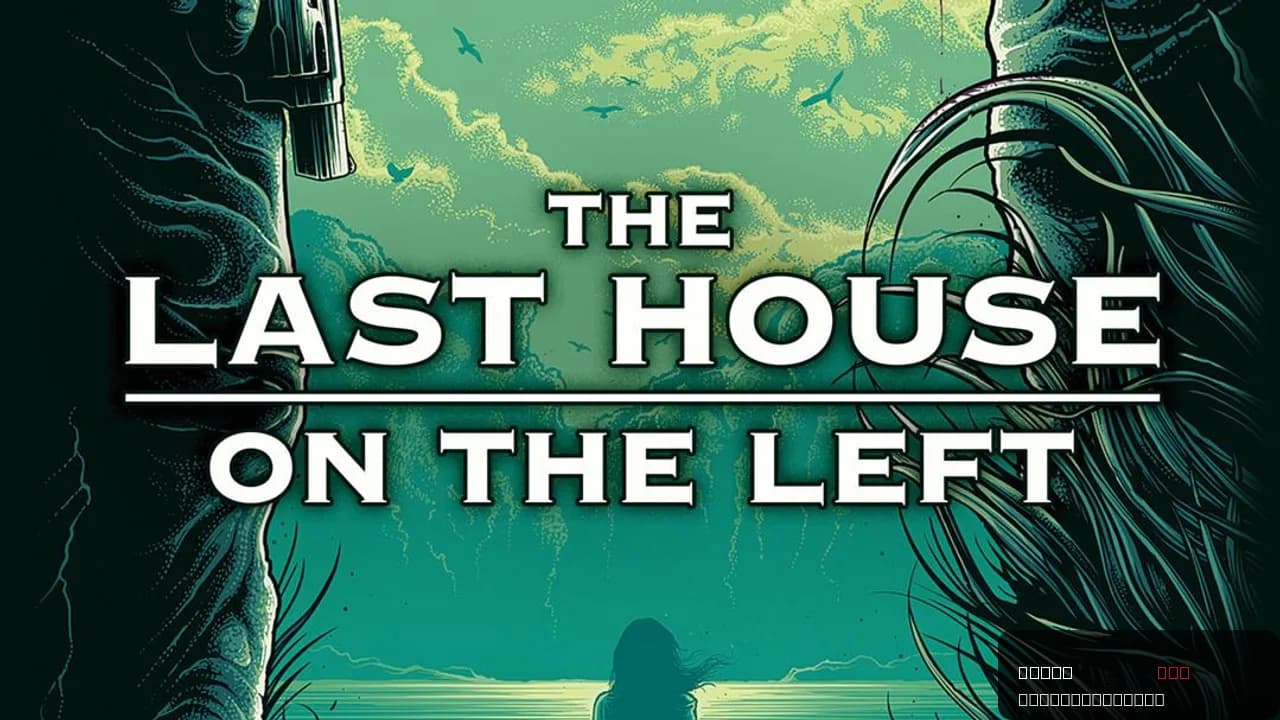
The story of The Last House on the Left
Wes Craven's The Last House on the Left follows Mari Collingwood, a teenager whose trip to a concert ends in unthinkable tragedy when she's abducted by a group of violent fugitives. What unfolds is a descent into brutality—the kind of film that doesn't look away when it should, that forces you to sit with discomfort rather than offering the catharsis of a traditional revenge narrative. The premise is stark: four escaped convicts, led by the merciless Krug Stillo, take Mari and her friend captive. When the criminals unknowingly seek refuge at Mari's family home, her parents realize what's happened. They decide to take justice into their own hands. It's a film about what people become when they're pushed past the breaking point, and whether vengeance ever actually heals anything.
The 82-minute runtime doesn't feel lean—it feels suffocating, which is precisely the point. Craven constructs his narrative to make you complicit, to strip away the comfortable distance between viewer and victim. There's no musical score to manipulate your emotions, no jump scares to break the tension. Just raw circumstance and human cruelty.
Behind the making of The Last House on the Left
Wes Craven's The Last House on the Left was his first film as a director, and it arrived with the kind of impact that immediately marked him as a filmmaker willing to transgress. Produced by Sean S. Cunningham (who'd later produce Friday the 13th), the film was made on a shoestring budget but with an unflinching vision. The cast included Sandra Peabody in the lead role, alongside Lucy Grantham, David Hess as the terrifying Krug, Fred J. Lincoln, Jeramie Rain, and Marc Sheffler. Martin Kove appeared in a supporting capacity. What's remarkable is how Craven assembled a cast of mostly unknown actors and extracted performances that feel disturbingly authentic—there's no Hollywood sheen, no winking at the audience.
The film was initially rated X by the MPAA due to its graphic content, a scarlet letter that limited its theatrical release significantly. Yet it found an audience, particularly among critics who recognized something genuinely new in American horror cinema. Movie OTT has documented how this film became a cult classic, spawning remakes and influencing an entire generation of horror filmmakers. Box office figures were modest for a theatrical run, but the film's cultural footprint—its willingness to treat exploitation material with deadly seriousness—proved far more valuable than opening weekend numbers. It's the kind of debut that announces a major talent arriving fully formed, even if the craft still has room to develop.
What makes The Last House on the Left stand out
Here's what's striking about The Last House on the Left: it refuses to be categorized neatly. Some viewers don't consider it horror at all—they see it as a grim drama, a descent into moral chaos rather than a supernatural or genre exercise. That ambiguity is its strength. Craven doesn't give you a villain you can hiss at from a distance; he gives you people committing unspeakable acts, and then he gives you other people responding with equal violence. There's no moral high ground here. Nobody wins.
Sandra Peabody's performance carries an almost documentary quality—raw, unglamorous, devastatingly human. David Hess as Krug is chilling precisely because he's not a cartoon; he's a man capable of casual cruelty, someone who's crossed so many lines that morality has become irrelevant to him. The supporting cast, though less prominent, grounds the film in a kind of social realism that was rare in 1972 horror cinema. When the parents finally discover what's happened, there's no orchestral swell, no moment of righteous clarity. Just shock, grief, and the slow, methodical turn toward violence. That's where the real horror lives—not in jump scares or gore, but in recognizing how thin the line is between civilized restraint and primal revenge.
What nobody mentions often enough is how technically accomplished the film is for a debut. Craven's camera work is deliberate, his editing creates genuine dread, and his understanding of pacing—knowing when to cut away and when to hold—shows a director who'd studied his craft. The film's most disturbing moments aren't the most graphic; they're the ones where you understand exactly what's about to happen and can't stop it. That's filmmaking, not just provocation.
Where to stream The Last House on the Left online
The Last House on the Left is currently available on multiple streaming platforms, making Craven's controversial debut more accessible than ever. You can watch it on Amazon Prime Video with Ads or the standard Prime Video service, depending on your subscription tier. It's also available on Tubi TV, which has become a home for cult and exploitation cinema. If you're looking for other options, the film streams on fuboTV, Kanopy, Plex Channel, and several on-demand stores including Apple TV Store, Fandango At Home, and Sky Store. International viewers can find it on Filmin and Molotov TV. The Where-to-Watch widget at the top of this page will show you real-time availability in your region, so you can find the option that works best for you right now.
Frequently asked questions
Q: Who directed The Last House on the Left?
Wes Craven directed The Last House on the Left in 1972 as his feature film directorial debut. The film was produced by Sean S. Cunningham and immediately established Craven as a major talent in horror cinema.
Q: Is The Last House on the Left based on a true story?
No, the film isn't based on a true story, though it was inspired by themes of violence and revenge that Craven found in Ingmar Bergman's 1960 film The Virgin Spring. Craven transposed those themes to an American setting and created an original narrative.
Q: What's the runtime of The Last House on the Left?
The film runs 82 minutes, a compact length that makes its brutal narrative feel even more intense and claustrophobic.
Q: Why was The Last House on the Left originally rated X?
The MPAA gave the film an X rating due to its graphic depictions of violence and sexual assault. This rating severely limited its theatrical distribution, though the film eventually found an audience through midnight screenings and home video.
Q: Who stars in The Last House on the Left?
The cast includes Sandra Peabody as Mari Collingwood, Lucy Grantham, David Hess as the terrifying Krug Stillo, Fred J. Lincoln, Jeramie Rain, Marc Sheffler, and Martin Kove in a supporting role.
Final thoughts on The Last House on the Left
The Last House on the Left isn't a comfortable watch, and it doesn't want to be. What Craven accomplished in 1972 was to take the revenge narrative—a staple of cinema—and strip it of its moral certainty. He asks uncomfortable questions about what we'd actually do in an impossible situation, and he refuses to let us feel good about the answers. It's a film that demands to be reckoned with rather than simply consumed. If you're looking for a horror film that challenges rather than comforts, or if you want to understand where modern horror cinema got its edge, this is essential viewing. You can find it streaming right now on multiple platforms listed above.