The Story of The Last Samurai
The Last Samurai follows Nathan Algren, a disenchanted American Civil War veteran haunted by his past and drowning his guilt in whiskey. When a lucrative opportunity arrives — training Japan's Imperial Army in modern military tactics during the 1870s — Algren accepts, seeking both redemption and escape. What he doesn't expect is to become trapped in a collision between two worlds: the Meiji Emperor's push toward Western industrialization and the samurai's last stand to preserve their ancient code of honor. The film's narrative unfolds as a cultural collision that's also deeply personal, with Algren's internal journey mirroring the nation's own struggle for identity.
Behind the Making of The Last Samurai
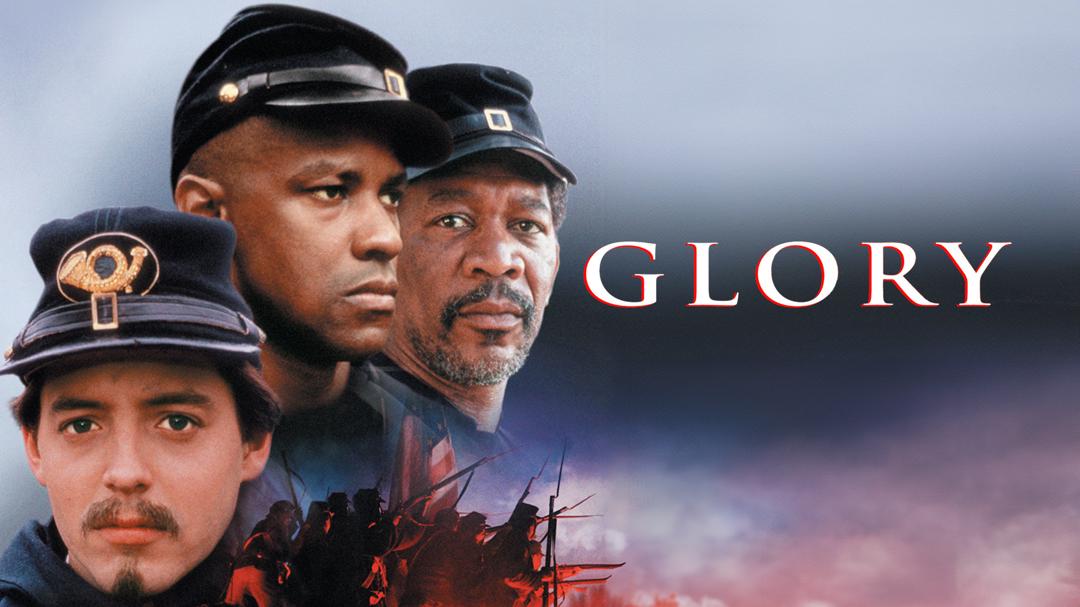
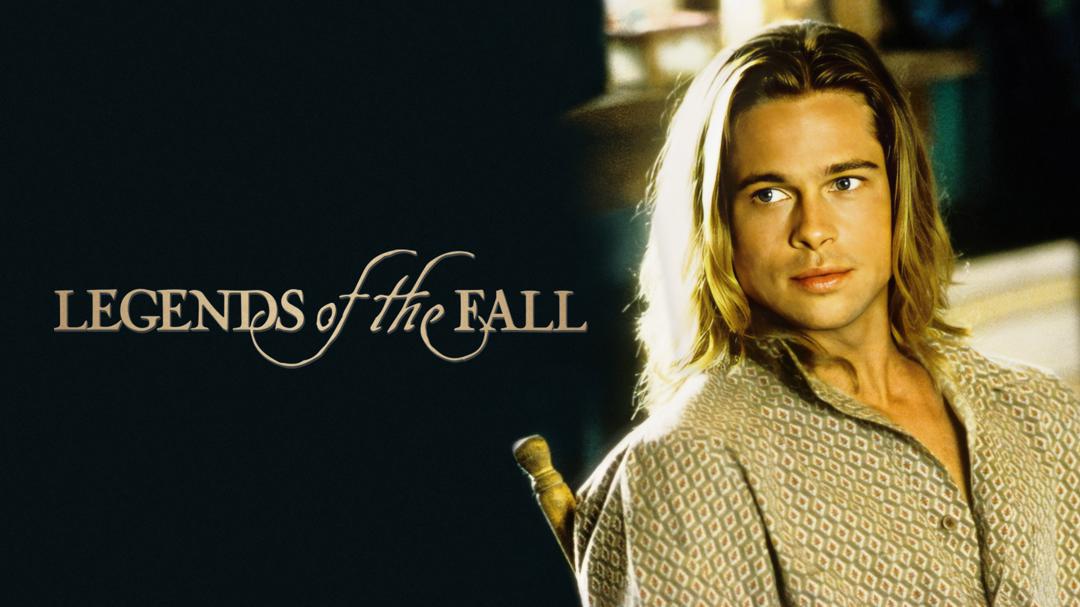
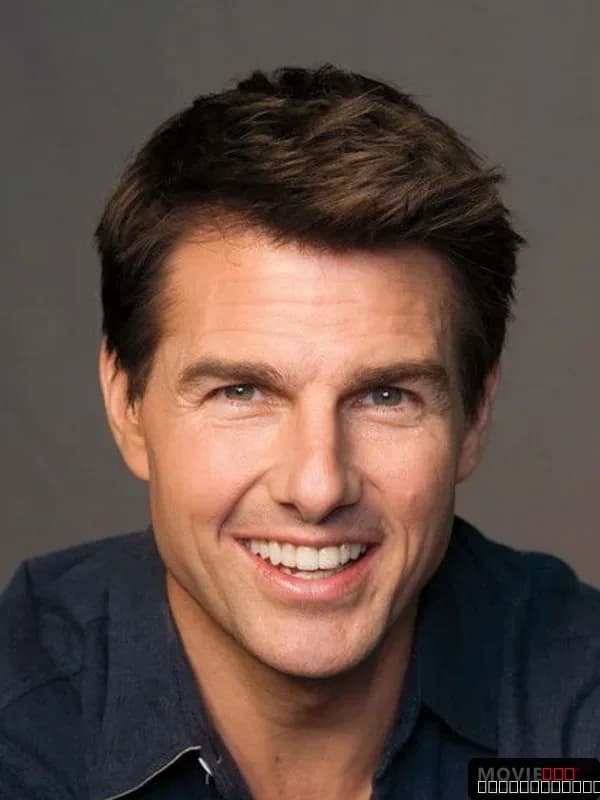
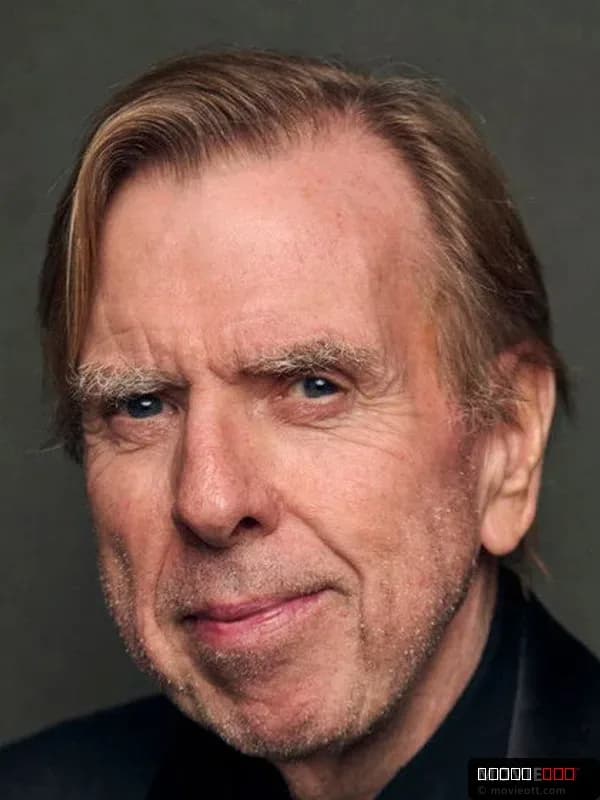
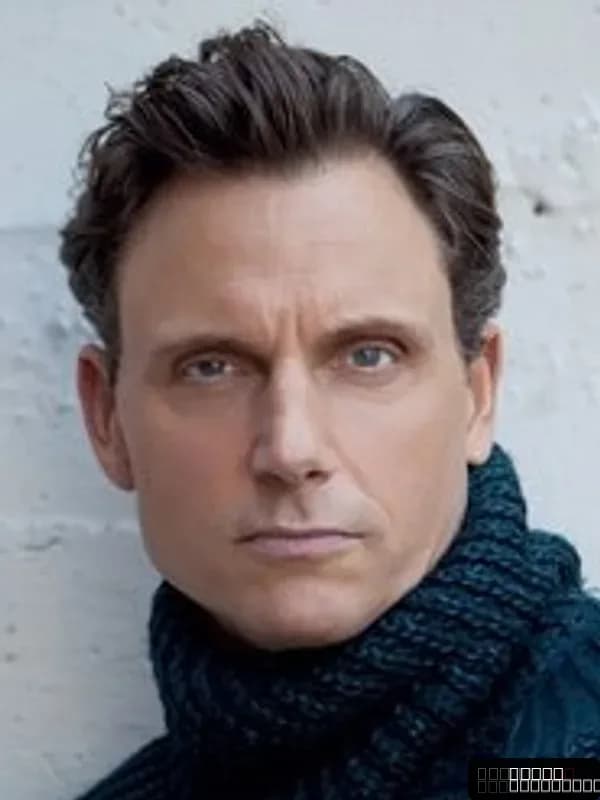
Director Edward Zwick, known for his work on Glory and Legends of the Fall, brought his signature sweeping visual style to this 154-minute epic, which he also produced and co-wrote alongside John Logan and Marshall Herskovitz. The story drew inspiration from the 1877 Satsuma Rebellion led by Saigō Takamori, a real historical figure whose defiance against Japan's modernization echoes through the film's central conflict. Tom Cruise not only starred but also produced, lending his star power to what became a major studio investment. The supporting cast—Ken Watanabe, Timothy Spall, Tony Goldwyn, Hiroyuki Sanada, and Koyuki—brought depth and authenticity to their roles, with Watanabe's performance as Katsumoto becoming particularly memorable. The film earned four Academy Award nominations and went on to win 20 awards across various ceremonies, though its Metascore of 55 reflects the critical divide between those who embraced its ambition and those who found it uneven. At the box office, it grossed $111.1 million globally, making it a commercial success despite its length and deliberate pacing. Rated R for violence and some language, it's a film that doesn't pull punches in its battle sequences.
What Makes The Last Samurai Stand Out
What's striking is how the film refuses to be a simple action vehicle. Yes, the battle sequences are spectacular—shot with genuine elegance and a sense of weight that makes every clash of swords matter—but they're never about spectacle for its own sake. Instead, Zwick uses combat to explore questions of honor, mortality, and what it means to die for something you believe in. Tom Cruise delivers one of his most understated performances here, playing a man broken by war crimes he can't forgive himself for, and his gradual transformation feels earned rather than manufactured. The thing nobody mentions is how the film's real emotional core isn't the action at all—it's the quiet moments between Algren and Katsumoto, two warriors from opposing cultures who recognize something sacred in each other's dedication to principle. Ken Watanabe brings such dignity and quiet intensity to Katsumoto that he steals nearly every scene he's in. The cinematography captures 1870s Japan with painterly precision, and Hans Zimmer's score (which earned an Oscar nomination) weaves between Western and Japanese musical traditions in ways that mirror the film's thematic tensions. Audience responses have been consistently warm; viewers praise the film's intelligence and refusal to condescend to either Japanese or American culture, even as it tells a fundamentally American story. The Rotten Tomatoes score of 65% Fresh reflects this split—critics were divided, but audiences have been far more forgiving, recognizing the film's ambition even where it stumbles.
Where to Stream The Last Samurai Online
The Last Samurai is widely available across multiple streaming platforms, making it easy to find. You can watch it on Netflix, Netflix Standard with Ads, Amazon Prime Video, Prime Video with Ads, HBO Max Amazon Channel, Apple TV Store, Fandango At Home, Google Play Movies, Plex, Rakuten TV, Sky Store, Spectrum On Demand, and YouTube. The "Where to Watch" widget at the top of this page will show you current availability in your region, since streaming rights shift periodically. For the best picture quality, a subscription service like Netflix or Prime Video is ideal, though rental options through Apple TV or YouTube also work if you don't have a standing subscription. Given the film's visual ambition—those sweeping landscapes and intricate sword choreography—you'll want to watch on the largest screen available.
Frequently Asked Questions
Q: Is The Last Samurai based on a true story?
The film was inspired by the 1877 Satsuma Rebellion led by Saigō Takamori, a real historical samurai who resisted Japan's rapid Westernization. However, the character of Nathan Algren and much of the plot are fictional creations, making this a historical fiction rather than a direct adaptation.
Q: Who directed The Last Samurai?
Edward Zwick directed the film and also produced and co-wrote it with John Logan and Marshall Herskovitz. Zwick is known for his work on other historical epics like Glory and his ability to blend intimate character drama with large-scale action sequences.
Q: How long is The Last Samurai?
The film runs 154 minutes (just under 2 hours and 34 minutes), which some viewers find generous but most agree doesn't feel excessive given the scope of the story and the deliberate pacing that allows character moments to breathe.
Q: What awards did The Last Samurai win?
The film earned four Oscar nominations and won 20 awards total across various ceremonies, with 67 nominations overall. It was recognized for its cinematography, score, sound design, and performances, though it didn't take home the major Academy Awards.
Q: Is The Last Samurai violent?
Yes—it's rated R for violence and some language. The battle sequences are intense and realistic rather than sanitized, and the film doesn't shy away from the brutality of 19th-century warfare. If you're sensitive to onscreen violence, you might want to know that going in.
Final Thoughts on The Last Samurai
The Last Samurai isn't a perfect film, and Movie OTT readers will find plenty to debate about its perspective and storytelling choices. But it's a rare big-budget action epic that dares to ask uncomfortable questions about cultural imperialism, personal redemption, and the cost of progress. It's a film that respects its audience's intelligence and refuses easy answers. If you're looking for something that blends spectacular action with genuine emotional and philosophical weight, this is absolutely worth your time.", "faq": [ { "question": "Is The Last Samurai based on a true story?", "answer": "The film was inspired by the 1877 Satsuma Rebellion led by Saigō Takamori, a real historical samurai who resisted Japan's rapid Westernization. However, the character of Nathan Algren and much of the plot are fictional creations, making this a historical fiction rather than a direct adaptation." }, { "question": "Who directed The Last Samurai?", "answer": "Edward Zwick directed the film and also produced and co-wrote it with John Logan and Marshall Herskovitz. Zwick is known for his work on other historical epics like Glory and his ability to blend intimate character drama with large-scale action sequences." }, { "question": "How long is The Last Samurai?", "answer": "The film runs 154 minutes (just under 2 hours and 34 minutes), which some viewers find generous but most agree doesn't feel excessive given the scope of the story and the deliberate pacing that allows character moments to breathe." }, { "question": "What awards did The Last Samurai win?", "answer": "The film earned four Oscar nominations and won 20 awards total across various ceremonies, with 67 nominations overall. It was recognized for its cinematography, score, sound design, and performances, though it didn't take home the major Academy Awards." }, { "question": "Is The Last Samurai violent?", "answer": "Yes—it's rated R for violence and some language. The battle sequences are intense and realistic rather than sanitized, and the film doesn't shy away from the brutality of 19th-century warfare." } ]