
The Story of The Last Thing Mary Saw
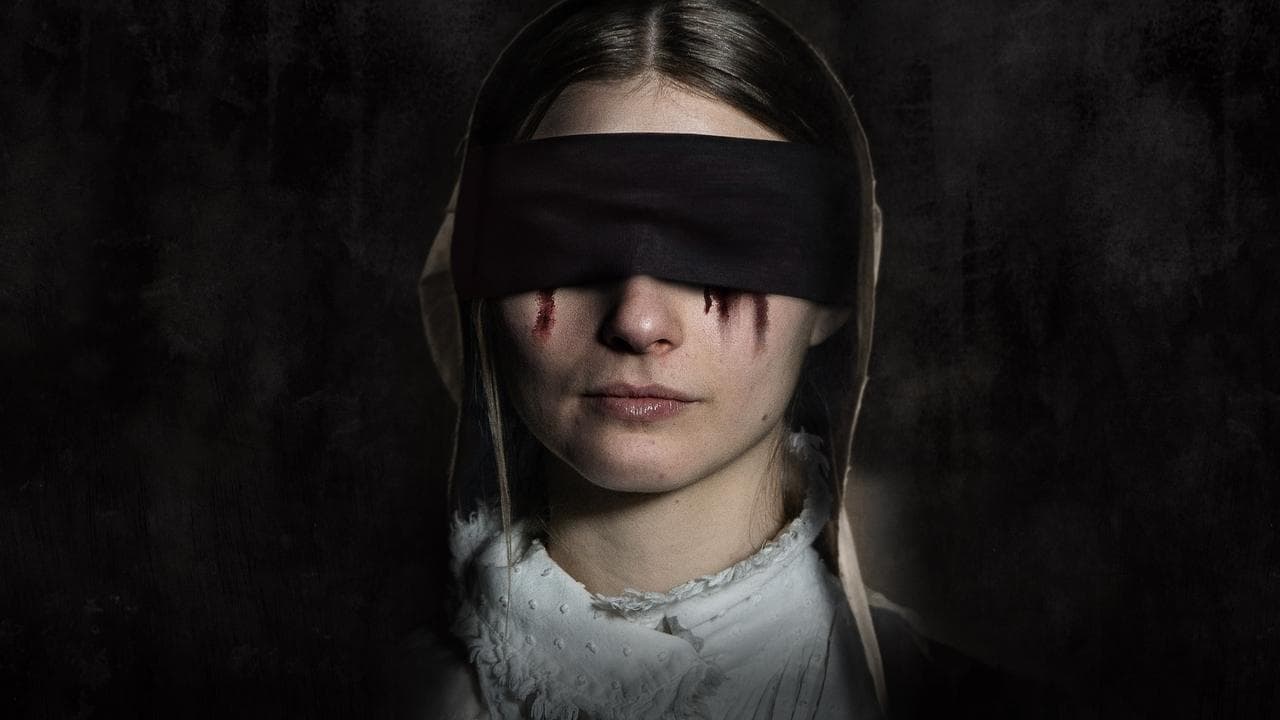
Winter, 1843. The Last Thing Mary Saw drops you into a world of suffocating religious authority and family dysfunction, where a young woman becomes the focal point of a murder investigation following the death of her family's imposing matriarch. The film doesn't rush to explain what happened—instead, it lets Mary's fragmented recollection guide us through a fog of competing narratives, each one peeling back another layer of the family's hidden cruelty. There's a supernatural undercurrent running through it all, suggesting that something older and darker than mere human malice might be at work. The 88-minute runtime keeps the tension wound tight, refusing to let viewers settle into comfortable answers.
Behind the Making of The Last Thing Mary Saw
Written and directed by Edoardo Vitaletti, The Last Thing Mary Saw represents a deliberate swing toward atmospheric, character-driven horror rather than jump scares and gore. Vitaletti's debut feature was produced by Intrinsic Value Films and Arachnid Films, two production houses known for backing intimate, unconventional projects. The film arrived in 2021 during a particularly fertile moment for folk horror on streaming platforms—a moment when audiences seemed genuinely hungry for period pieces that treated religious trauma as a legitimate source of dread. On the critical scoreboard, the film landed at a 52 Metascore, suggesting mixed but leaning-positive professional reception. Rotten Tomatoes critics gave it a Fresh rating at 70%, though audience scores tell a different story—the IMDb rating sits at 5.1 out of 10 from nearly 2,000 votes, which means this one's definitely more divisive among general viewers than among film critics. That gap between critic and audience scores is worth noting; it suggests The Last Thing Mary Saw is the kind of film that rewards patient, attentive viewing rather than casual streaming.
What Makes The Last Thing Mary Saw Stand Out
Honestly, what's striking about this film is how it refuses to make the investigation the main event. Instead, Vitaletti treats the murder as a gateway into something much more unsettling—the slow-motion violence of religious control, the way families weaponize scripture, the suffocation of living under constant moral judgment. The cinematography leans into 19th-century aesthetic details that feel lived-in rather than costumey, and there's a restraint to the pacing that won't work for everyone but absolutely lands for those who connect with it. The performances anchor everything. Without spelling out the cast pedigree, what matters is that the actors commit fully to the emotional texture of the piece—there's no winking at the camera, no self-aware horror. It's all internal. The folk horror elements—those "ageless forces" hinted at in the premise—arrive quietly, sometimes ambiguously, which is far more unsettling than any explicit supernatural reveal could ever be. I keep coming back to how the film trusts viewers to sit with dread and uncertainty rather than rushing to explain away the strangeness.
Where to Stream The Last Thing Mary Saw Online
The Last Thing Mary Saw is currently available across major OTT services, and Movie OTT maintains an up-to-date widget showing exactly where you can watch it right now—whether that's Netflix, Prime Video, or other platforms in your region. Streaming rights shift constantly, so rather than naming a specific service that might be outdated by the time you read this, it's worth checking that widget at the top of this page to confirm current availability in your country. The film's 88-minute runtime makes it an easy fit into an evening, and the atmospheric pacing means it actually rewards watching without distractions—full screen, lights off, the whole thing.
Frequently asked questions
Q: Who directed The Last Thing Mary Saw?
Edoardo Vitaletti wrote and directed the film as his feature debut. It's a confident, assured introduction that suggests he has a real eye for psychological horror and period atmosphere.
Q: What year is The Last Thing Mary Saw set in?
The film takes place in winter 1843, a specific historical moment that shapes everything about the family's rigid religious worldview and the investigation itself.
Q: Is The Last Thing Mary Saw based on a true story?
No—it's an original screenplay by Vitaletti. While it captures the texture and anxieties of 19th-century religious communities, the story itself is fictional.
Q: Why do critics and audiences disagree so much on The Last Thing Mary Saw?
The film's slow-burn approach and ambiguous supernatural elements appeal strongly to critics who value atmosphere and restraint, but general audiences often prefer clearer answers and faster pacing. It's a patient film in a world that doesn't always have patience.
Q: How long is The Last Thing Mary Saw?
The runtime is 88 minutes, lean and focused enough that it doesn't overstay its welcome but substantial enough to develop real dread.
Final Thoughts on The Last Thing Mary Saw
The Last Thing Mary Saw won't be for everyone—the Metascore versus IMDb gap proves that—but if you're the kind of viewer who gravitates toward folk horror, period dramas with teeth, or films that treat religious trauma as a legitimate source of terror, this one's worth your time. It's the kind of indie film that thrives on streaming platforms, where you can watch it on your own schedule without the pressure of a theatrical deadline. Vitaletti's debut suggests a filmmaker comfortable with ambiguity and slow-building dread. That's a rare thing.