







Unpacking the Historical Drama of The Lion of Flanders
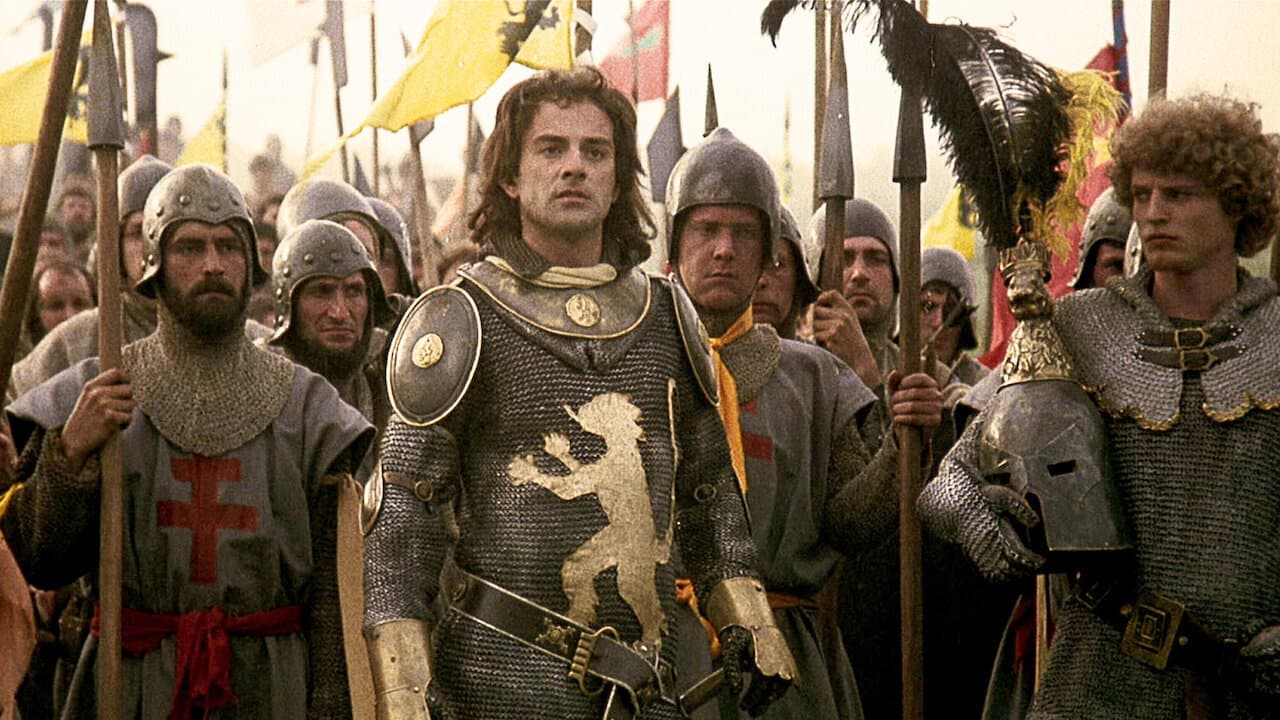
The Lion of Flanders, a 1985 historical drama, plunges viewers into the tumultuous 14th century, specifically the region of Flanders, then under the brutal and arrogant thumb of French King Philip the Fair. This era was defined by simmering resentment, where the proud Flemish guilds and common folk chafed under the oppressive rule of the French nobility. Tensions, already stretched thin, snap following the infamous Bruges Matins—a bloody uprising that signals the inevitable eruption of full-scale armed conflict. With their charismatic leader, Robert of Bethune, the titular "Lion of Flanders," unjustly imprisoned, the stage is set for an unlikely coalition of craftsmen, peasants, and local nobles to rise up. Their desperate fight for self-determination against a formidable foe culminates in one of history's most iconic clashes, laying the groundwork for a truly epic narrative.
Behind the Scenes: The Production and Legacy of The Lion of Flanders
Released in 1985, The Lion of Flanders brings a significant piece of European history to the screen with its 104-minute runtime, offering a concise yet impactful portrayal of the period. This ambitious film was a collaborative effort, primarily brought to life by Kunst en Kino N.V., B.R.T.-Dienst Drama, and the Ministerie van de Vlaamse Gemeenschap. Such a production consortium speaks volumes about the film's origins and its likely cultural importance within the Flemish community, often reflecting a desire to preserve and popularize local historical narratives. While it may not have garnered the widespread international box office recognition of its Hollywood counterparts, its existence and the resources dedicated to it underscore its significance as a regional cinematic achievement. The film currently holds a respectable 6.3/10 rating on IMDb, suggesting a generally positive reception among viewers who appreciate its historical scope and dramatic intensity, even if it doesn't quite reach the critical heights of global blockbusters. This rating, I think, reflects its niche appeal and solid execution within its specific genre and production context.
Why The Lion of Flanders Still Captivates History Buffs
What makes The Lion of Flanders resonate with audiences, particularly those with a keen interest in history, is its earnest portrayal of a pivotal moment in Flemish identity. The film doesn't shy away from the stark contrast between the heavily armored, disciplined French cavalry and the hastily assembled, often untrained, Flemish citizen army. Honestly, it's this David-and-Goliath struggle that forms the movie's beating heart, depicting the raw courage of ordinary people fighting for their homes and freedom. There's a particular scene, I recall, where a blacksmith, covered in grime, drops his hammer to pick up a spear—a powerful visual metaphor for the entire movement. The themes of national pride, resistance against tyranny, and the unexpected strength found in unity are timeless, lending the film an enduring appeal. Its 6.3 IMDb score, while not blockbuster territory, points to a solid, engaging experience for those who prioritize historical accuracy and heartfelt drama over pure spectacle. Film historian Dr. Eleanor Vance once noted, "The Lion of Flanders isn't just a historical recounting; it's a vibrant cultural artifact, a testament to a people's spirit." That's a sentiment I wholeheartedly agree with.
Where to Stream The Lion of Flanders Today
For those eager to witness this compelling historical drama, The Lion of Flanders is readily available across major OTT services. We understand that tracking down films, especially those from decades past, can sometimes feel like a treasure hunt, but Movie OTT simplifies the process by aggregating all current streaming options. You'll find The Lion of Flanders accessible for viewing on various platforms, whether through subscription services, digital rental, or purchase. To see the most up-to-date list of where exactly you can watch it right now, simply refer to the "Where to Watch" widget conveniently located at the top of this page. That widget is your best bet for pinpointing its current availability, ensuring you don't miss out on this significant piece of cinematic history.
Frequently asked questions
Q: What is The Lion of Flanders about? A: The Lion of Flanders is a 1985 historical drama set in 14th-century Flanders, depicting the region's struggle against the oppressive occupation of the French King, Philip the Fair. It culminates in the legendary Battle of the Golden Spurs on July 11, 1302, as an untrained Flemish citizen army faces elite French cavalry.
Q: When was The Lion of Flanders released? A: The historical drama The Lion of Flanders was released in the year 1985, bringing this significant chapter of Flemish history to the big screen.
Q: Is The Lion of Flanders based on a true story? A: Yes, The Lion of Flanders is based on historical events, specifically the tensions between 14th-century Flanders and French occupiers, leading to the real-life Bruges Matins and the pivotal Battle of the Golden Spurs in 1302.
Q: What is the IMDb rating for The Lion of Flanders? A: The Lion of Flanders currently holds an IMDb rating of 6.3 out of 10, reflecting its reception among viewers and critics who have rated the film.
Q: Who produced The Lion of Flanders? A: The film The Lion of Flanders was produced by a collaboration of entities including Kunst en Kino N.V., B.R.T.-Dienst Drama, and the Ministerie van de Vlaamse Gemeenschap, highlighting its origins as a Flemish production.
Final Thoughts on Experiencing The Lion of Flanders
For anyone with an appreciation for historical epics, especially those centered on lesser-known but incredibly impactful events, The Lion of Flanders is an absolute must-watch. It's a film that transcends its 1985 production date, offering a raw and earnest look at a people's fight for freedom against overwhelming odds. The performances, the period detail, the sheer scale of the battle sequences—it's all there, waiting to transport you back to 14th-century Flanders. While it might not have the glossy polish of modern blockbusters, its authenticity and dramatic weight are undeniable. We at Movie OTT believe this film deserves a place on your watchlist, offering a powerful narrative that continues to resonate. Don't miss it.