






The Story of The Lords of Discipline: Honor Code and Hidden Violence
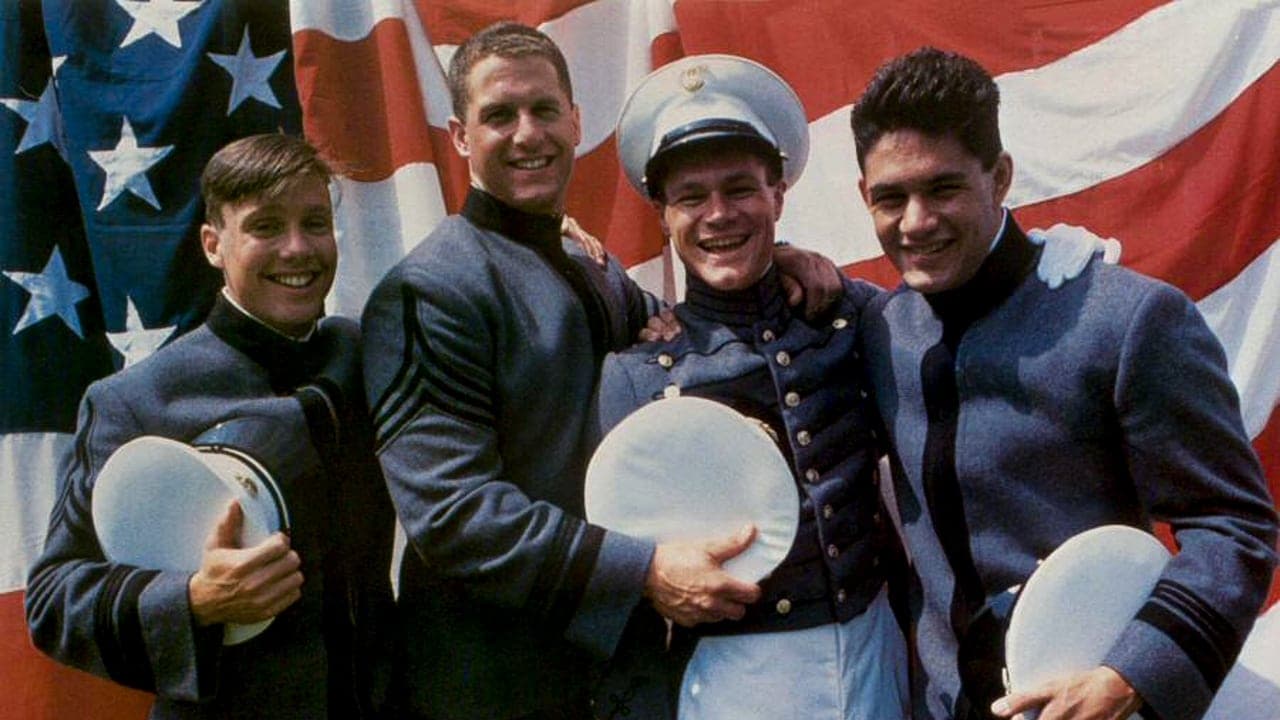
The Lords of Discipline drops you into the final year at a prestigious military academy set in the Deep South during the 1960s—a world where tradition and hierarchy feel almost sacred. Will, our protagonist, arrives expecting a routine senior year, but everything changes when Pearce, the academy's first Black student, is admitted. Will's asked to look out for him, a casual request that carries enormous weight. What unfolds isn't a simple coming-of-age story. Instead, it's a taut examination of institutional racism masked by civility. A secret society called The Ten—composed of the school's most elite and connected cadets—decides Pearce doesn't belong. They're not subtle about it. They want him gone, and they're willing to torture him into leaving "voluntarily" to maintain the academy's reputation and their own standing. Will finds himself caught between loyalty to his peers and basic human decency, forced into a position where protecting Pearce means risking everything he's worked toward.
Behind the Making of The Lords of Discipline: Production and Cast
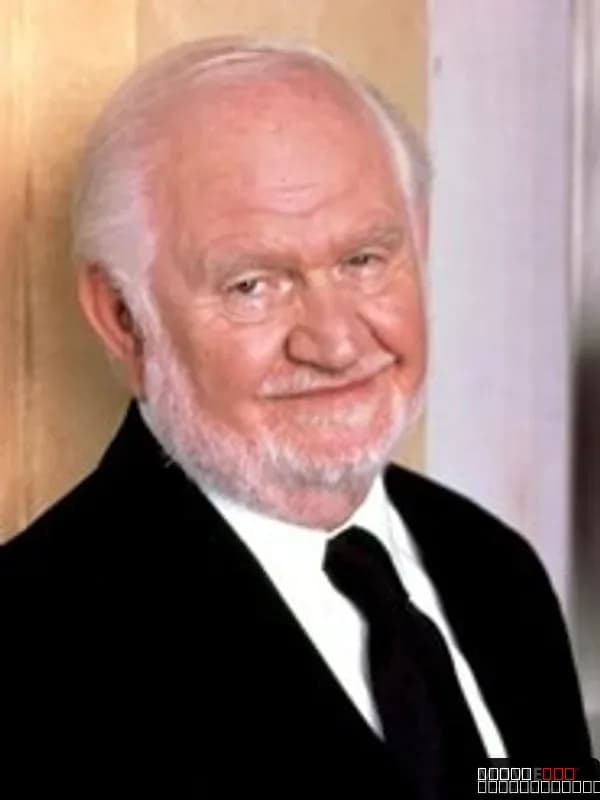
Paramount Pictures released The Lords of Discipline in 1983, adapting Pat Conroy's 1980 novel of the same name. The film runs 102 minutes and carries a runtime that feels deliberately paced—not rushed, allowing the tension to build. Director Franc Roddam, known for his work on The Who's rock opera film Quadrophenia, brought a gritty sensibility to the material that prevents it from becoming a simple morality tale. The cast includes David Keith as Will, a solid dramatic actor, and Mark Breland as Pearce, whose casting was itself significant given the film's subject matter. Robert Prosky rounds out the ensemble as a sympathetic authority figure, adding layers to the institutional dynamics at play. The film was rated R for language and some violence—appropriate given the brutal realities it portrays. While it didn't become a box-office juggernaut, The Lords of Discipline found its audience among viewers interested in serious examinations of American institutional racism. It arrived during a moment when Hollywood was still grappling with how to tell stories about race that didn't shy away from the specifics of white complicity and institutional complicity alike.
What Makes The Lords of Discipline Stand Out: Performances and Institutional Critique
What's striking about The Lords of Discipline is that it refuses the easy path of making the racist cadets into cartoon villains. They're not evil in some abstract sense—they're products of a system that rewards silence, loyalty to the group, and the preservation of tradition above all else. That's far more unsettling than simple villainy would be. The film's real power lies in how it captures the machinery of institutional racism: the way casual cruelty becomes normalized, how peer pressure functions as a tool of enforcement, and how good people get complicit through inaction. David Keith's performance as Will carries the moral weight of the entire film—you can see the calculation happening behind his eyes as he realizes what's happening and what it'll cost him to stop it. The thing nobody mentions is how the film treats the academy itself almost like a character, a living organism designed to protect itself at any cost. The opening tagline—"The Institute's Code of Honor: A cadet will not lie, cheat, steal or tolerate those who do. It is a simple code. It is a stern code. It is also a lie"—cuts right to the hypocrisy at the film's core. The code itself is noble, yet the institution bends it to serve its own preservation. That contradiction is what makes the viewing experience so uncomfortable and, frankly, memorable.
Where to Stream The Lords of Discipline Online
The Lords of Discipline is available across major OTT services, making it accessible if you want to revisit this 1983 drama or discover it for the first time. Rather than listing every platform individually here, check the Where to Watch widget at the top of this page—Movie OTT keeps real-time streaming availability updated so you can find exactly which service has it in your region right now. Streaming rights shift frequently, so that widget's your best bet for current information. The film's relatively compact 102-minute runtime makes it easy to fit into an evening, and the tense pacing means you won't find yourself checking your phone.
Frequently asked questions
Q: Is The Lords of Discipline based on a true story?
The film is based on Pat Conroy's 1980 novel of the same name. While Conroy drew inspiration from his own experiences at military academies and the broader context of integration in the American South, it's a work of fiction rather than a direct adaptation of real events. That said, the institutional dynamics and racial tensions it portrays reflect very real historical patterns.
Q: Who directed The Lords of Discipline?
Franc Roddam directed the film. He's perhaps best known for his work on Quadrophenia, the 1979 film about the British mod subculture. His approach to The Lords of Discipline brings a similar attention to subcultural dynamics and institutional power structures.
Q: What's the runtime and rating?
The Lords of Discipline runs 102 minutes and is rated R for language and some violence. The pacing is deliberate, building tension throughout rather than relying on action sequences.
Q: Where can I watch The Lords of Discipline right now?
The film is currently available on major OTT platforms. Use the Where to Watch widget at the top of the page to see which service has it in your area, since streaming rights vary by region and change over time.
Q: What's the IMDb rating for The Lords of Discipline?
The film holds a 6.6/10 rating on IMDb. It's a solid drama that resonates with viewers interested in institutional critique and character-driven narratives, even if it didn't become a mainstream classic.
Final Thoughts on The Lords of Discipline
The Lords of Discipline deserves a second look—or a first one, if you've somehow missed it. It's not a comfortable watch, and that's precisely the point. The film doesn't offer easy answers or redemptive arcs that make you feel good about yourself. Instead, it asks hard questions about complicity, institutional loyalty, and the real cost of standing up. It's a film that lingers. If you're drawn to serious dramas about American institutions and the people trapped within them, this 1983 Paramount picture is worth your time. Stream it when you want something that'll actually stick with you.