The Story of The Lost Patrol
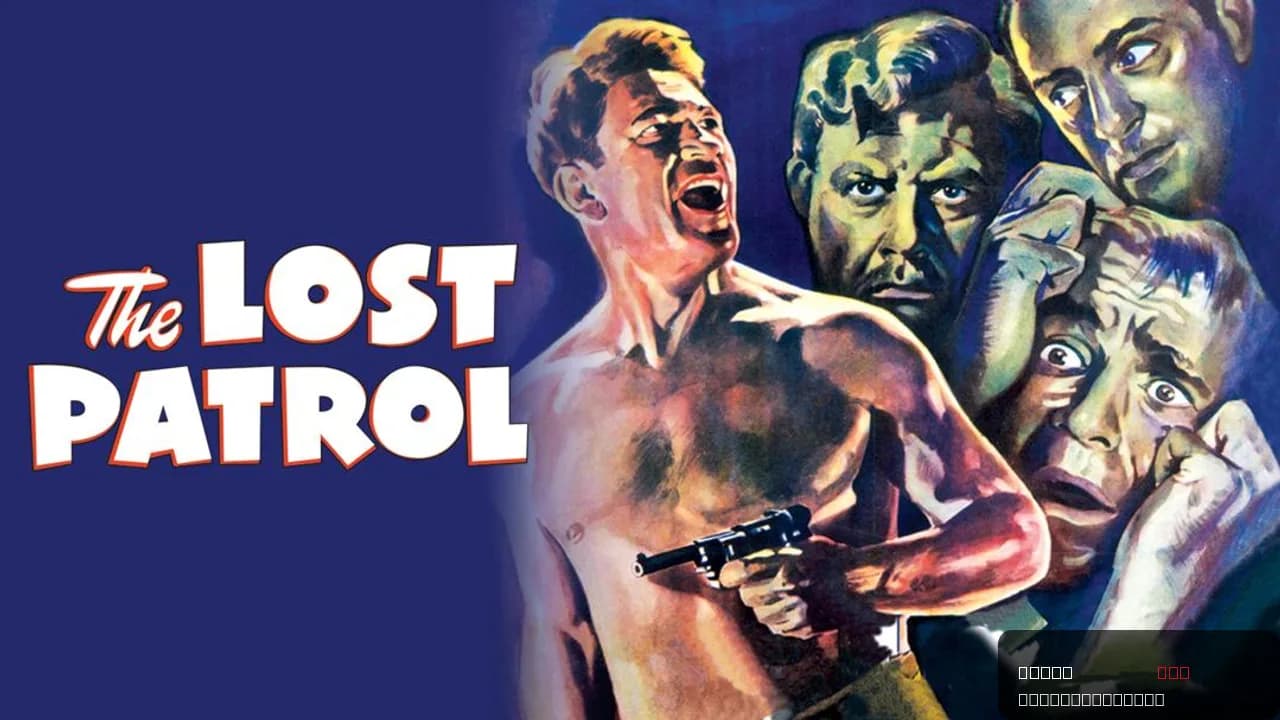
The Lost Patrol opens with a shot that changes everything. A British Army patrol crosses the Mesopotamian desert on a mission whose details die with their commanding officer—literally. One moment he's leading his men forward; the next, a sniper's bullet drops him in the sand, and nobody left alive knows where they're supposed to go or why. That's the brilliant, brutal premise that John Ford built his 1934 film around. Sergeant Quincannon, played by Victor McLaglen, steps into command not out of ambition but necessity, and what follows is a taut survival story where the enemy isn't always visible and hope gets thinner with every passing hour. The men push toward an oasis—their only chance for water and shelter—but what they find there isn't salvation. It's a trap that'll test whether leadership, discipline, and sheer stubbornness can keep a unit together when everything around them is trying to tear it apart.
Behind the Making of The Lost Patrol
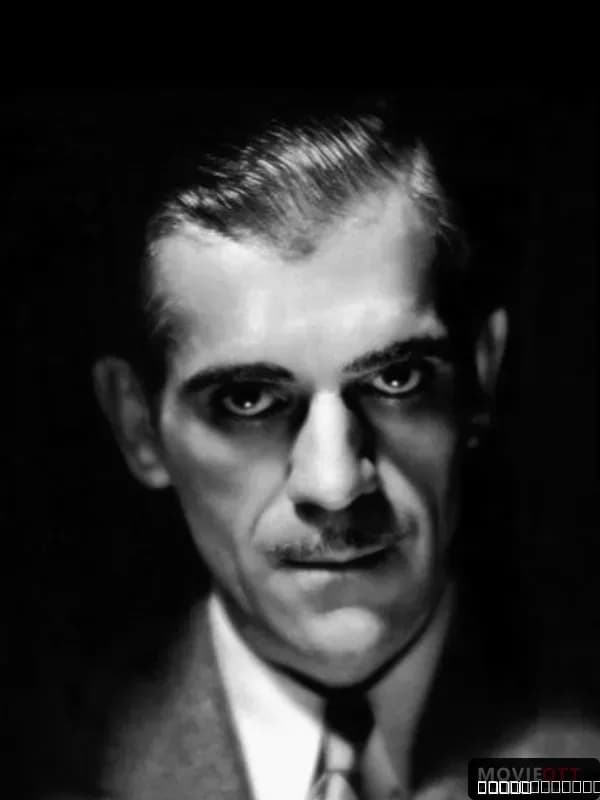
The Lost Patrol came to life through an interesting chain of adaptation. Dudley Nichols wrote the screenplay based on Philip MacDonald's 1927 novel Patrol, and the material had already been filmed once before—as a British silent picture in 1929—but Ford and RKO saw fresh potential in it. Ford, already a towering figure in Hollywood by the mid-1930s, directed and produced the film with Merian C. Cooper as executive producer, and the result was polished enough to earn Max Steiner an Oscar nomination for his score. The cast was stacked with character actors who knew their way around tension: Victor McLaglen carried the film as the gruff sergeant, while Boris Karloff—yes, the horror legend—brought a different kind of menace as Private Ames, a soldier whose mental state deteriorates under the stress of the siege. Wallace Ford, Reginald Denny, J.M. Kerrigan, Billy Bevan, and Alan Hale rounded out the ensemble, each contributing to the claustrophobic atmosphere even in the open desert. The film was released as a pre-Code picture, which meant Ford could push the story into darker psychological territory than would've been possible just a few years later. It's the kind of pedigree—Ford's direction, Steiner's score, that ensemble cast—that doesn't guarantee success, but it certainly didn't hurt.
What Makes The Lost Patrol Stand Out
What's striking about The Lost Patrol is how Ford manages to build dread without relying on what you see. The real enemy is the sniper—or snipers—firing from the surrounding dunes, and the camera spends most of the film with the patrol, hemmed in, unable to locate the threat. That's a smart choice for a 71-minute picture made in 1934, because it forces the drama inward. The men start to fracture. Some lose faith. Others cling to protocol even when protocol seems pointless. Boris Karloff's performance is particularly unsettling; there's something genuinely disturbing about watching a soldier come unraveled, and Karloff doesn't play it as theatrical—it's quiet, which makes it worse. Victor McLaglen, often cast as a rough-and-tumble action hero, gets to show real judgment here, the kind of quiet authority that doesn't need to shout. The film doesn't shy away from the fact that these men are scared, that they're making desperate decisions, that some of them won't make it out. For a war film from this era, it's remarkably unsentimental. You won't find rousing speeches or triumphant last stands—just men trying to survive one more day in a place that doesn't care whether they do. If you're tracking down older war cinema on Movie OTT, this one deserves attention because it feels less like a relic and more like a blueprint for how to generate tension with minimal resources and maximum craft.
Where to Stream The Lost Patrol Online
The Lost Patrol has found its way onto a solid range of streaming platforms, which is good news if you're in the mood for some pre-Code Ford. You can catch it on Max, which is probably the most straightforward option if you've got a subscription there. It's also available on Prime Video, Apple TV Store, Google Play Movies, YouTube, and Fandango At Home if you prefer to own or rent it. For viewers in certain regions, FlixOlé and Movistar Plus+ Ficción Total carry it as well. The where-to-watch widget at the top of this page will show you exactly which services have it right now in your location, since availability shifts regularly. Movie OTT tracks these changes across platforms so you don't have to hunt around yourself.
Frequently asked questions
Q: Who directed The Lost Patrol?
John Ford directed and produced The Lost Patrol in 1934. It was one of his mid-career war pictures, made during a period when he was experimenting with how to build tension and character development within the constraints of the era's filmmaking technology.
Q: Is The Lost Patrol based on a true story?
No, it's based on Philip MacDonald's 1927 novel Patrol, which was itself a work of fiction. That said, the premise—a British patrol in Mesopotamia during World War I—draws from real historical settings and military experiences of the period.
Q: What's the runtime of The Lost Patrol?
The film runs 71 minutes, which is typical for Hollywood features of the 1930s. Despite its brevity, Ford packs a lot of psychological and tactical tension into that span.
Q: Why is The Lost Patrol considered a pre-Code film?
The Lost Patrol was made in 1934, before the Motion Picture Production Code was strictly enforced starting in 1935. This meant Ford had more freedom to explore darker themes—including psychological breakdown, moral ambiguity, and the brutal realities of warfare—without the heavy censorship that would've constrained him just months later.
Q: How does The Lost Patrol compare to other 1930s war films?
Unlike many war films of its era, The Lost Patrol avoids propaganda and heroic mythology in favor of a more claustrophobic, psychologically focused story. It's less interested in celebrating military virtue than in showing how ordinary soldiers respond to extraordinary stress and isolation.
Final Thoughts on The Lost Patrol
The Lost Patrol doesn't feel like a relic. Yes, it's nearly 90 years old, but Ford's understanding of how to sustain tension—through what you don't see, through character fracture, through the slow erosion of hope—holds up. It's a compact, lean film that trusts its audience to understand that survival stories don't need explosions or grand gestures. They need men, pressure, and nowhere to run. If you're curious about where Ford came from before he made The Searchers and The Man Who Shot Liberty Valance, or if you just want to see Boris Karloff do something completely different from his monster roles, this one's worth seeking out.