









The story of The Mad Genius unfolds in the shadows
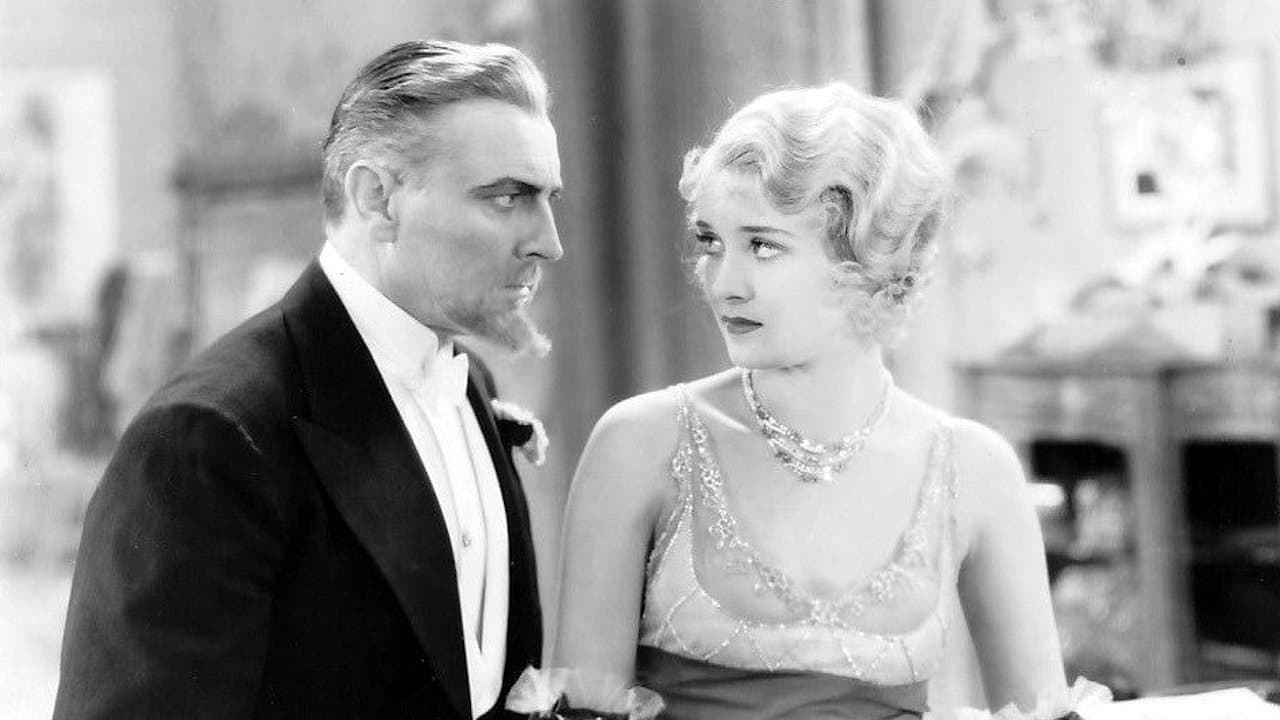
The Mad Genius opens on a figure hunched over puppet strings—not in a theater, but in the back alleys of Paris. This is Svengali-adjacent territory, except the puppets are people. John Barrymore plays a crippled puppeteer who rescues an abused young boy from street life, promising him a better future through the art of ballet. What begins as salvation curdles into something far more sinister. As the boy grows into a talented young man, the puppeteer's control tightens, his emotional dependence deepens, and when a beautiful woman enters the picture—one the puppeteer himself desires—the triangle becomes a pressure cooker. Nobody's walking away unscathed. The genius at work here isn't artistic brilliance. It's manipulation masquerading as mentorship, and the film doesn't look away from how toxic that becomes.
Behind the making of The Mad Genius
Director Michael Curtiz, already a prolific craftsman at Warner Bros., brought The Mad Genius to the screen in 1931, adapting Martin Brown's 1929 play The Idol, which had premiered in Great Neck, Long Island but never reached Broadway. The decision to adapt a stage play was typical of the era—theater provided proven narrative structures for Hollywood's hungry production schedules. Curtiz's cast was powerhouse caliber: John Barrymore, then in his late fifties and still commanding the screen despite his reputation for erratic behavior, anchored the film with a performance that veers between tender and terrifying. Marian Marsh, Donald Cook, and Charles Butterworth rounded out the principal roles, while Boris Karloff and young Frankie Darro appeared in smaller but memorable parts. This was pre-Code Hollywood, which meant Curtiz could explore psychological darkness and sexual jealousy without the sanitizing filter that would arrive with the Production Code's stricter enforcement. The 81-minute runtime feels lean by today's standards, but Curtiz uses every frame—there's no fat here, just mounting dread. The film sits at 6.37 on IMDb, a respectable score that reflects its status as a curio of early horror-drama rather than a mainstream favorite, though Movie OTT users consistently note its psychological intensity when searching for pre-Code Warner Bros. titles.
What makes The Mad Genius stand out among 1931 dramas
What's striking about The Mad Genius is how thoroughly it rejects sentiment. This isn't a feel-good mentor story. The puppeteer's love is possessive, his generosity a transaction, his art a tool for control—and Barrymore never lets you mistake his character's motivations for anything noble. There's a scene where he watches the young dancer perform and you can see the possessiveness in his eyes, the sense that he owns this achievement, that the boy's success belongs to him. That's the real horror here: not a monster, but a man so twisted by loneliness and disability that he weaponizes affection. Marian Marsh, playing the woman caught between the puppeteer's obsession and the dancer's genuine love, carries the film's emotional weight with remarkable restraint—she's not a prize to be won so much as a person watching two men destroy themselves over her. Curtiz's direction favors shadows and claustrophobic framing; the sets feel like cages. What I keep coming back to is how the film treats the puppeteer's disability not as tragedy but as context for his psychology—it hasn't made him sympathetic, it's made him dangerous. The tagline promised "cruel passions" and "a monster playing with the souls of his fellow beings," and the film absolutely delivers on that promise without ever needing gore or supernatural elements. Just human cruelty. Just ambition and desire twisted into something corrosive.
Where to stream The Mad Genius online
The Mad Genius is currently available on major OTT services—check the Where to Watch widget at the top of this page to see which platforms are carrying it in your region right now. Streaming availability shifts, so that widget's your real-time guide, but the good news is that this Warner Bros. title tends to circulate across the major services since the studio's catalog is widely licensed. If you're a subscriber to any of the major platforms, there's a solid chance it's already in your library. Movie OTT tracks current streaming availability across Netflix, Prime Video, and other major services, so you won't waste time hunting. For fans of pre-Code horror and psychological drama, it's worth the search.
Frequently asked questions
Q: Who directed The Mad Genius?
Michael Curtiz directed The Mad Genius in 1931. Curtiz was a prolific Warner Bros. director who'd go on to helm Casablanca and many other classics. His work here shows his mastery of psychological tension and visual storytelling.
Q: Is The Mad Genius based on a true story?
No. The film is based on Martin Brown's 1929 stage play The Idol, which premiered in Great Neck, Long Island but never reached Broadway. It's a fictional exploration of obsession and control, not adapted from real events.
Q: What's the runtime of The Mad Genius?
The film runs 81 minutes, a lean runtime typical of early 1930s cinema that keeps the psychological pressure mounting without pause.
Q: Where can I watch The Mad Genius?
The Mad Genius is available on major OTT platforms. Use the Where to Watch widget at the top of this page to find which service has it in your region right now.
Q: Does The Mad Genius have a happy ending?
Without spoiling specifics, no—the film's trajectory is toward tragedy. The puppeteer's obsession and manipulation lead to consequences nobody can escape. It's a dark ending that fits the psychological territory the film explores.
Final thoughts on The Mad Genius
The Mad Genius deserves rediscovery. Not because it's a lost masterpiece—it's not—but because it's a genuinely unsettling exploration of how mentorship can curdle into possession, how love can become a weapon, and how disability and isolation can warp a person's capacity for connection. Barrymore's performance is worth the price of admission alone; he commits fully to a character who's sympathetic and monstrous in equal measure. If you're tired of streaming feel-good dramas and want something that'll sit with you uncomfortably, something that doesn't resolve neatly or offer easy redemption, this 1931 Warner Bros. production is exactly what you need. It's dark, it's human, and it's still got teeth.