


The story of The Man Who Captured Eichmann
Set in 1960, The Man Who Captured Eichmann follows one of history's most audacious intelligence operations: the hunt for Adolf Eichmann, the Nazi architect of the Holocaust who vanished into South America after World War II. Eichmann had reinvented himself as Ricardo Klement, living quietly in Buenos Aires while the world moved on. But the Israeli Mossad never forgot. When the agency's operatives finally locate their target, they dispatch agent Peter Malkin to lead a covert team tasked with an almost impossible mission—extract Eichmann alive and deliver him to Jerusalem for trial. What unfolds is a tense cat-and-mouse game that pits determination against decades of hiding, ideology against bureaucracy, and the weight of history against the fragility of a single operation.
The film doesn't shy away from the moral complexity of the hunt. Malkin and his team aren't action heroes; they're methodical, nervous, and acutely aware that failure means letting a mass murderer slip away forever. The stakes aren't abstract. Every decision carries the weight of six million lives lost, and that gravity permeates every frame.
Behind the making of The Man Who Captured Eichmann
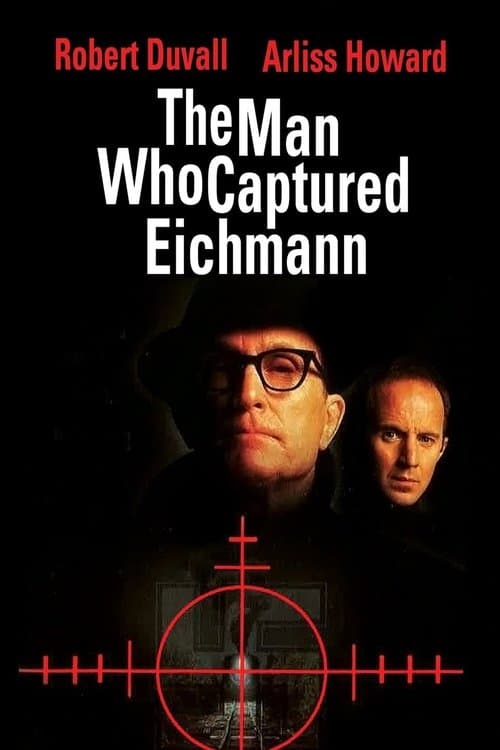
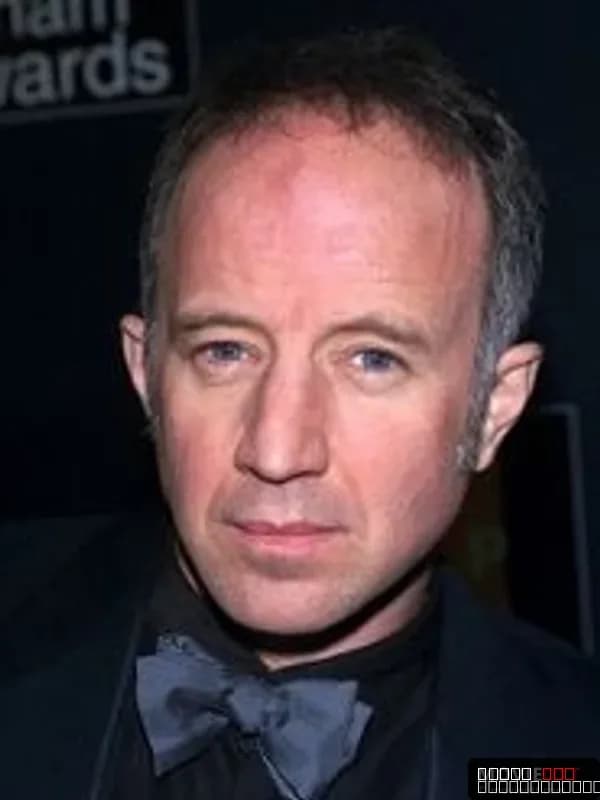
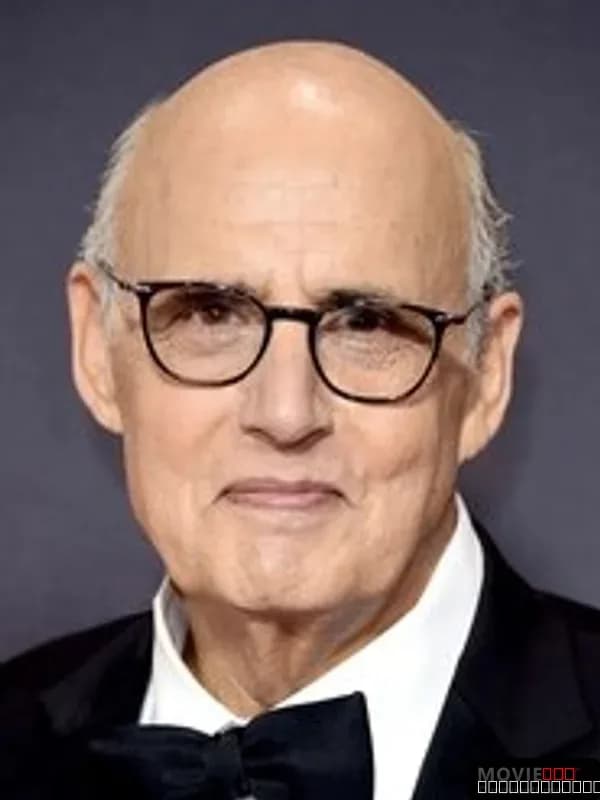
The Man Who Captured Eichmann was directed by William Graham and written by Lionel Chetwynd, drawing directly from Peter Malkin's 1990 memoir Eichmann in My Hands—co-written with Harry Stein—which gave the filmmakers intimate access to the operation's real details and emotional truth. Turner Pictures produced the film as a television movie, a format that allowed for serious historical drama without the studio machinery that might have diluted its focus. The production brought together a formidable cast: Robert Duvall, one of cinema's most respected character actors, took on the role of Eichmann, while Arliss Howard portrayed Malkin himself.
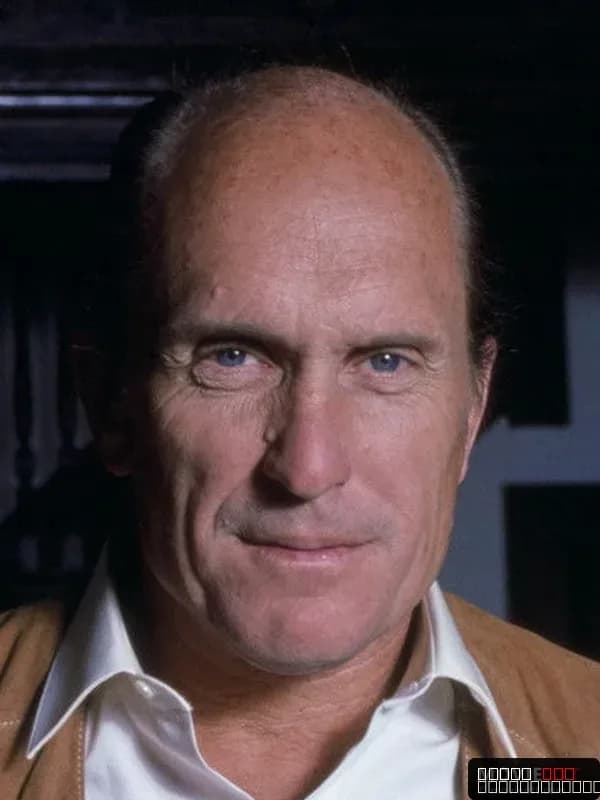
Duvall's involvement alone signaled that this wasn't a B-movie cash-grab. By 1996, Duvall had already earned his place in cinema history through roles in The Godfather, Apocalypse Now, and True Grit, among dozens of others. Casting him as one of history's most reviled figures required an actor capable of finding humanity—or at least complexity—in a monster without excusing monstrosity. Howard, less of a household name but a serious character actor in his own right, carried the emotional weight of the entire operation on his shoulders. The film aired on Turner Network Television, reaching a substantial audience for what was fundamentally a prestige historical drama. While specific box office figures for TV movies aren't typically tracked the way theatrical releases are, the production's pedigree and the network's reach ensured it found an engaged audience among history enthusiasts and serious drama fans.
What makes The Man Who Captured Eichmann stand out
What's striking about this film is how it resists the temptation to turn espionage into spectacle. There are no car chases, no shootouts, no Hollywood heroics. Instead, the tension builds from surveillance, conversation, and the psychological cat-and-mouse game between captor and captive. Duvall's portrayal of Eichmann is particularly unsettling—he doesn't play the role as a snarling villain but as something far more chilling: an ordinary man who committed extraordinary evil, someone who can discuss philosophy and family while the blood of millions stains his hands. That disconnect, that banality of evil, is what lingers.
Arliss Howard grounds the film in Malkin's perspective. You see the operation through his eyes—the doubt, the exhaustion, the moral certainty that wavers under the pressure of actually confronting the man responsible for so much death. There's a scene late in the film where Malkin and Eichmann are alone together, and the conversation becomes a battle of wills and justifications that's far more gripping than any physical confrontation could be. The screenplay doesn't lecture; it lets the characters' words do the work. That restraint, combined with Graham's measured direction, gives the film a documentary-like credibility even as it dramatizes real events.
The film also doesn't pretend that capturing Eichmann solved anything. Justice was served, yes—he was tried in Jerusalem and executed in 1962—but the operation itself raises thornier questions about sovereignty, the limits of law, and whether bringing one man to account can ever balance the scales of genocide. These aren't questions the film answers. It simply asks them, which is far more honest.
Where to stream The Man Who Captured Eichmann online
Finding The Man Who Captured Eichmann is easier than it was for the Mossad to locate their quarry. The film is available on major OTT services, and you can check the streaming availability widget at the top of this page to see exactly which platforms currently carry it in your region. Since it's a 1996 television production, it's been licensed across multiple streaming homes over the years—it's not locked behind a single service the way newer exclusive originals are. Whether you're using a subscription service you already have or exploring options on Movie OTT, which tracks current streaming availability across platforms, you should be able to find it without too much hunting. The 96-minute runtime makes it perfect for a single sitting, ideal for a weeknight when you want something substantive but not overwhelming.
Frequently asked questions
Q: Is The Man Who Captured Eichmann based on a true story? Yes, entirely. The film adapts Peter Malkin's 1990 memoir Eichmann in My Hands, which details the actual 1960 Mossad operation that captured Nazi war criminal Adolf Eichmann in Buenos Aires. Malkin was the lead agent on the mission, so the film draws directly from firsthand experience.
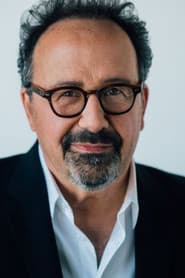
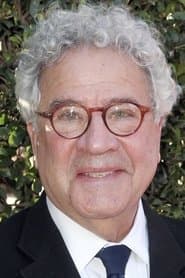
Q: Who directed The Man Who Captured Eichmann? William Graham directed the film, with a screenplay by Lionel Chetwynd. The production was a Turner Pictures television movie that aired in 1996.
Q: What happened to Eichmann after he was captured?
After his capture and transport to Israel, Eichmann was tried in Jerusalem in what became one of the most significant war crimes trials of the 20th century. He was convicted and executed by hanging in 1962. His trial was extensively documented and remains a landmark moment in Holocaust justice.
Q: How long is The Man Who Captured Eichmann? The film runs 96 minutes, making it a lean, focused drama that doesn't waste time but allows space for character development and moral complexity.
Q: Where can I watch The Man Who Captured Eichmann? The film is available on multiple major OTT services. Check the "Where to Watch" widget on this page to see current streaming options in your region, or visit Movie OTT's platform tracker for up-to-date availability information.
Final thoughts on The Man Who Captured Eichmann
This isn't a film that's going to make you feel good. That's not a criticism—it's the point. The Man Who Captured Eichmann is a sobering, intelligent examination of how justice pursues evil across decades and continents, and what it costs to finally catch it. The performances are restrained and powerful. The direction trusts the material. And the underlying true story—one of the most remarkable intelligence operations in modern history—carries its own weight. If you're interested in World War II history, espionage, or simply well-crafted historical drama, it's absolutely worth your time.