The story of The Most Hated Woman in America
The Most Hated Woman in America traces the extraordinary and deeply controversial life of Madalyn Murray O'Hair, the woman who successfully challenged prayer in public schools and became a lightning rod for religious and political backlash in America. Director Tommy O'Haver's 2017 drama doesn't shy away from the contradictions: O'Hair was a visionary civil libertarian who won a landmark Supreme Court case, yet also an abrasive, uncompromising figure whose personal relationships crumbled under the weight of her ideology and ambition. The film follows her from her early court battles through her rise as the face of American atheism, all the way to her mysterious 1995 abduction—a crime that remains one of the stranger true-crime footnotes in modern American history. It's a story about principle, ego, and what happens when you refuse to apologize for who you are.
Behind the making of The Most Hated Woman in America
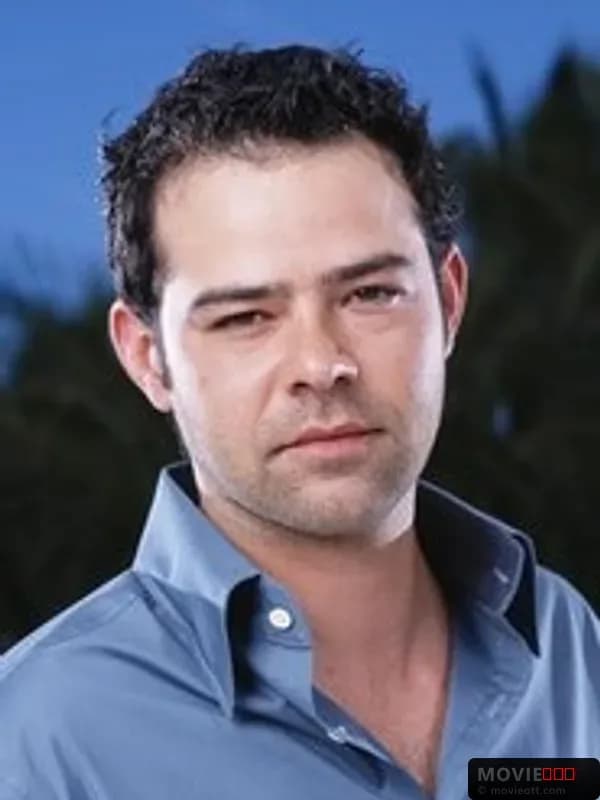
Produced for Netflix as an original film, The Most Hated Woman in America arrived in 2017 with a runtime of 92 minutes and a TV-MA rating—necessary given the film's unflinching treatment of O'Hair's sexuality, her volatile temperament, and the raw language she used to defend her beliefs. Director Tommy O'Haver, known for his work on biographical and period pieces, assembled a cast that brought genuine weight to the material. Melissa Leo—an Academy Award winner for her role in The Fighter (2010)—anchors the film with a performance that refuses to soften or romanticize its subject. Alongside her, Josh Lucas, Michael Chernus, Rory Cochrane, Vincent Kartheiser, Adam Scott, and Juno Temple fill out a supporting ensemble that grounds the narrative in lived, messy humanity. The film didn't set the box office on fire (Netflix originals from this era rarely did in theatrical terms), but it found an audience curious about a woman whose name had become synonymous with the culture wars. Critics were divided—Metascore rated it 41/100, while Rotten Tomatoes landed at 40% Rotten—suggesting the film's refusal to offer easy answers or comfortable catharsis alienated some viewers while intriguing others.
What makes The Most Hated Woman in America stand out
What's striking about The Most Hated Woman in America is how it resists the biopic template of redemption or vindication. Leo's O'Hair isn't softened by the camera; she's abrasive, funny, self-destructive, and often right all at once. The performance captures something real about people who dedicate their lives to a cause—the way principle can calcify into rigidity, the way righteousness can curdle into cruelty toward those closest to you. There's a scene where O'Hair lashes out at her own son over a perceived betrayal of their shared atheist mission, and you see the toll her crusade has taken on her family. It's uncomfortable to watch, which is precisely the point. The film doesn't ask you to like Madalyn Murray O'Hair; it asks you to understand her, which is harder and more interesting. The supporting cast does excellent work too—Juno Temple as O'Hair's granddaughter captures the collateral damage of living in the shadow of a historical figure, while Josh Lucas brings a weary decency to his role as a fellow traveler in the atheist movement. What critics who dismissed the film sometimes missed is that its uneven tone—part courtroom drama, part family tragedy, part true-crime mystery—mirrors the actual chaos of O'Hair's life. She wasn't a neat story. The movie refuses to make her one.
Where to stream The Most Hated Woman in America online
The Most Hated Woman in America is currently available to stream on Netflix, making it accessible to anyone with a subscription (and to non-subscribers who want to start a trial). If you're hunting for where to watch, check the "Where to Watch" widget at the top of this page—it'll show you real-time availability across all platforms. Netflix's library shifts regularly, so streaming availability can change, but as of now, that's your destination. At Movie OTT, we track these changes across Netflix, Prime Video, and other major services, so if you're ever unsure where a title has migrated, you can search our database to find current links. The film's 92-minute runtime makes it an easy evening watch—not a massive time commitment, but substantial enough to leave you thinking about the questions it raises.
Frequently asked questions
Q: Is The Most Hated Woman in America based on a true story?
Yes. The film chronicles the real life of Madalyn Murray O'Hair, an atheist activist who won the 1963 Supreme Court case Murray v. Curlett, which removed mandatory prayer from public schools. The film also depicts her actual 1995 abduction, which remains a significant moment in true-crime history.
Q: Who directed The Most Hated Woman in America?
Tommy O'Haver directed the film. He's known for biographical and period dramas, and brings a documentary-like precision to the material while allowing space for character complexity and moral ambiguity.
Q: What's the runtime and rating?
The Most Hated Woman in America runs 92 minutes and is rated TV-MA, reflecting its use of strong language, adult themes, and frank discussions of sexuality and religious conflict.
Q: How did critics respond to the film?
Reception was mixed. Rotten Tomatoes rated it 40% (Rotten), while Metascore gave it 41/100. IMDb users were somewhat more favorable at 6.1/10. Critics appreciated Melissa Leo's fearless performance but found the film's tonal shifts and refusal to offer easy answers challenging.
Q: Who stars in The Most Hated Woman in America?
Melissa Leo leads the cast as Madalyn Murray O'Hair, supported by Josh Lucas, Michael Chernus, Rory Cochrane, Vincent Kartheiser, Adam Scott, and Juno Temple in key roles.
Final thoughts on The Most Hated Woman in America
The Most Hated Woman in America won't be for everyone—and honestly, that's kind of the point. It's a film about a woman who spent her life making people uncomfortable, so it makes sense that the movie does the same. If you're drawn to biographical dramas that refuse to simplify their subjects, or if you're curious about a pivotal moment in American church-state separation, it's worth your time. Melissa Leo delivers a performance that lingers long after the credits roll. Stream it on Netflix when you're ready to sit with something complicated.