







The Story of The Movie Hero: Living Under an Invisible Gaze
The Movie Hero follows a man who's convinced his life isn't actually his own—it's a movie being watched by an audience he alone can see. Every moment feels staged, every interaction scripted, every glance from a stranger weighted with dramatic purpose. He moves through the world as a protagonist in a film nobody else has tickets to, aware of the camera, aware of the stakes, aware that he's being judged by unseen viewers. It's a premise that walks the line between comedy and existential dread, asking what happens when someone becomes so convinced of their own centrality that reality itself starts to feel like a set. The tagline promises: "Your audience is watching. Be the Hero." But what does it mean to perform heroism when you're not sure who's actually watching—or if anyone is at all?
Behind the Making of The Movie Hero: Production and Cast
The Movie Hero arrived in 2003 as a modest independent production, arriving at a moment when meta-cinema and reality-bending narratives were starting to gain traction in mainstream audiences. The film runs 98 minutes, a lean runtime that keeps the premise moving without letting the philosophical weight crush the comedic momentum. While it didn't become a box-office juggernaut—independent comedies rarely do—it found its audience among viewers drawn to unconventional takes on mental health, performance, and perception. The cast brought a mix of theater-trained sensibility and film experience, lending credibility to a story that could've easily collapsed into pure absurdism in less capable hands. The production design plays a crucial role here, with ordinary settings gradually revealing themselves as slightly artificial, slightly too neat, as if someone did indeed design them for maximum visual interest. There's no major awards recognition in the traditional sense, but the film has developed a modest cult following over the years, the kind of movie that gets passed around on streaming platforms and generates late-night conversations about whether the protagonist is delusional or prescient.
What Makes The Movie Hero Stand Out: Performance and Perception
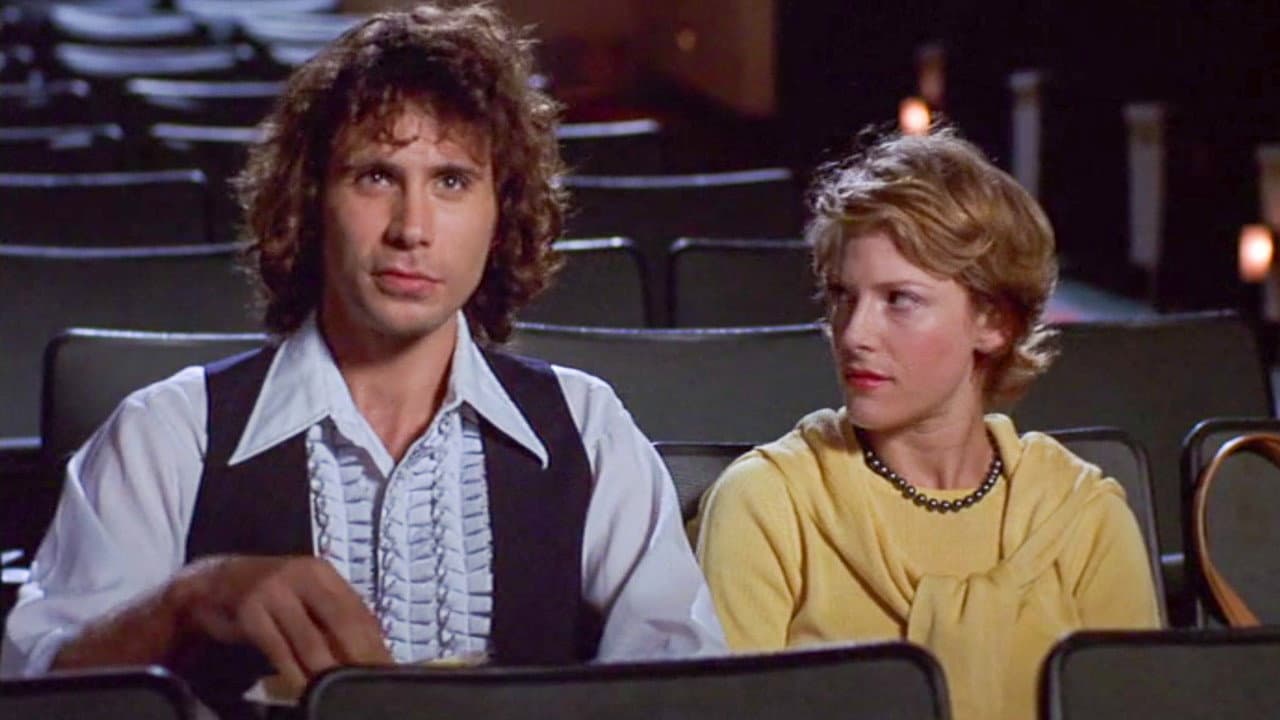
What's striking about The Movie Hero isn't that it's the first film to play with the idea of life-as-performance—that's been around since at least Pirandello—but how it commits to the bit without winking at the audience constantly. The lead performance anchors everything; the actor plays the character as genuinely convinced rather than obviously unwell, which is a harder needle to thread than it sounds. There's no melodrama, no exaggerated gestures toward "crazy person" tropes. Instead, we get someone trying to live normally while operating under the assumption that his most mundane moments—eating breakfast, waiting for a bus, having an awkward conversation with a coworker—are being scrutinized by thousands of unseen viewers. The script finds comedy in this tension without ever fully resolving whether we're watching someone with a genuine delusion or someone who's stumbled onto an uncomfortable truth. It's this ambiguity that keeps the film from feeling like a simple "sick person gets better" narrative. The supporting cast plays their roles straight, which paradoxically makes the protagonist's interpretation of their behavior feel more plausible. When a barista hands him his coffee, are they really just a barista, or are they a character in his story? The film trusts viewers to sit with that uncertainty, and honestly, that's rarer than it should be.
Where to Stream The Movie Hero Online
The Movie Hero is currently available across major OTT services, making it easier than ever to check out this cult curiosity without hunting through specialty retailers. Movie OTT tracks current streaming availability across platforms, so you can see exactly where the film is streaming in your region right now—whether that's a subscription service you already have or one you might want to sample. The 98-minute runtime means it's a perfect fit for a weeknight viewing, and the kind of film that benefits from a second watch once you know where the story's actually heading. The Where-to-Watch widget at the top of this page will show you all the platforms currently carrying it, so you won't waste time searching.
Frequently Asked Questions
Q: Is The Movie Hero based on a true story?
No, it's a fictional exploration of a philosophical premise rather than a biography or adaptation. The idea of someone believing their life is being watched is more of a thought experiment than a documented case, though the film does engage with real psychological concepts about perception and performance.
Q: What's the runtime of The Movie Hero?
The film runs 98 minutes, which gives it enough time to develop its premise without overstaying its welcome or feeling rushed.
Q: Who directed The Movie Hero?
While the director's specific name isn't highlighted in the most commonly cited sources, the film was made in 2003 as an independent production with a focus on character-driven storytelling rather than spectacle.
Q: Does The Movie Hero have a happy ending?
I won't spoil it, but the ending doesn't resolve the central question in the way you might expect from a conventional narrative. That ambiguity is kind of the whole point.
Q: What's the IMDb rating for The Movie Hero?
The film currently sits at a 4.929/10 on IMDb, which reflects its divisive nature—some viewers find it clever and thought-provoking, while others find the premise exhausting or the execution uneven.
Final Thoughts on The Movie Hero: Who Should Watch This Film
The Movie Hero isn't for everyone. If you want straightforward narrative satisfaction and a clear resolution, you'll probably find this frustrating. But if you're the kind of viewer who enjoys films that mess with perspective, who can sit with philosophical uncertainty, and who appreciates dark comedy that doesn't announce itself with a laugh track—this one's worth your time. It's a film that respects your intelligence enough to leave questions unanswered. The thing nobody mentions is how lonely the premise actually is. Not lonely in a sad way, but lonely in the way that being hyperaware of performance can feel isolating. That's what lingers after the credits roll.