








What The Muppets (2011) is really about
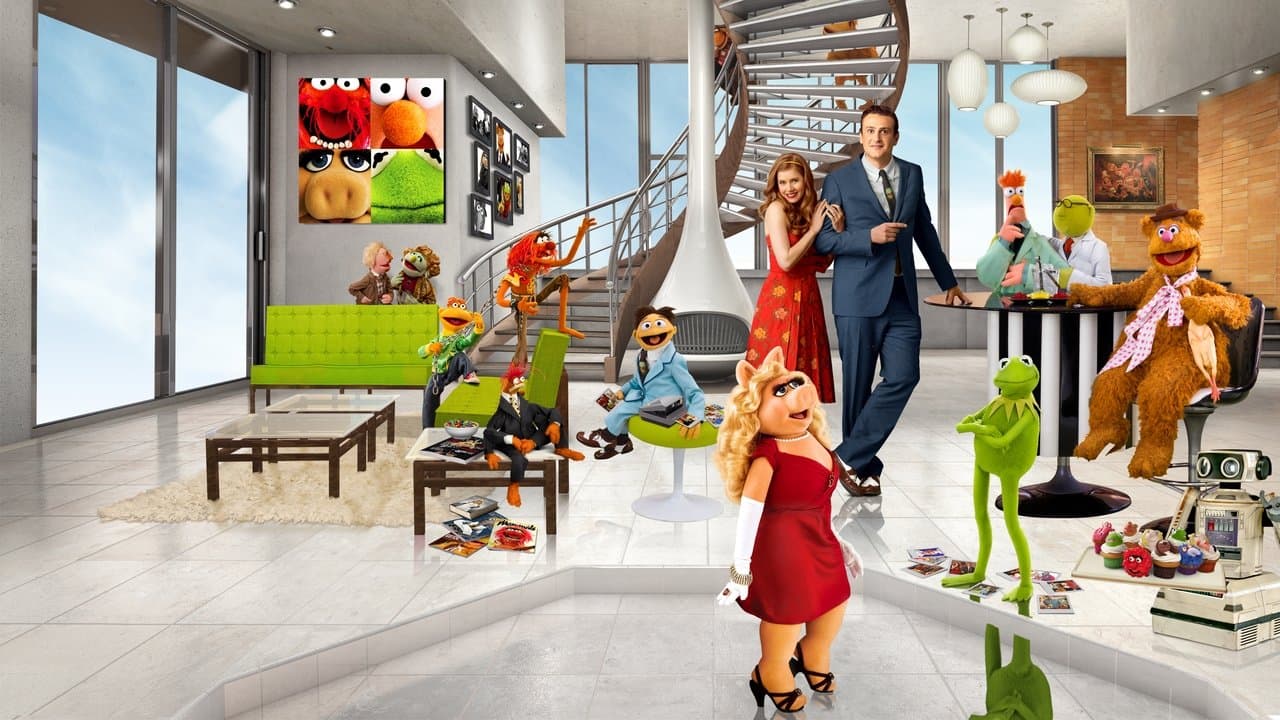
The Muppets opens with a premise that's almost too on-the-nose: the beloved Muppet Theater—the very stage where these characters built their legacy—faces demolition. A greedy oil tycoon named Tex Richman wants to tear it down and drill for crude beneath the foundation. It's a high-stakes scenario, sure, but what makes it work is that the film knows exactly what it's doing. The story isn't just about saving a building; it's about resurrecting something everyone thought had moved on, maybe even died. That's the real engine here—the question of whether these puppets, these felt-faced relics of a simpler entertainment era, can still matter in a world that's moved past them.
Enter Walter, a devoted Muppet superfan (played by Jason Segel) and his human brother Gary, along with Gary's girlfriend Mary (Amy Adams). Walter isn't just a fan—he's felt-faced himself, which is the film's sly joke about fandom taken to its logical extreme. When Walter and Gary discover the theater's plight, they rally Kermit to reunite the scattered Muppet cast and mount a telethon, a grand fundraising spectacular that needs to pull in $10 million in one night. What unfolds is part heist film, part love letter, part musical—and it somehow all coheres.
Behind the making of The Muppets and its awards success
Director James Bobin, working from a screenplay by Jason Segel and Nicholas Stoller, took the helm for what would become the seventh theatrical Muppet film. Segel's involvement as both writer and actor was crucial; he'd grown up watching the Muppets and understood the emotional stakes of bringing them back. Bret McKenzie, the musician from Flight of the Conchords, served as music supervisor and wrote four of the film's five original songs, while composer Christophe Beck provided the instrumental backbone.
The cast itself signals ambition. Beyond Segel and Adams, the film brought in Chris Cooper as the villain Tex Richman and Rashida Jones as Mary's friend, all while the Muppet performers—including longtime voices Steve Whitmire (Kermit), Eric Jacobson (Miss Piggy and Statler), and Dave Goelz (Gonzo)—brought their characters back to life. Produced by David Hoberman and Todd Lieberman under the Walt Disney Pictures and The Muppets Studio banners, the film was a commercial success, earning $88.6 million globally against its budget.
Critically, it's been embraced with genuine warmth. The film holds a 95% Fresh rating on Rotten Tomatoes and a Metascore of 75, signaling broad critical approval. It won an Academy Award and accumulated 18 wins and 43 nominations across various award bodies. The PG rating made it accessible to families, and audiences responded accordingly. What's striking is that the film didn't just succeed as nostalgia—it succeeded as craft, which is rarer than you'd think.
Why The Muppets works when it could have felt like a cash grab
Here's the thing about The Muppets: it could've been a cynical exercise in IP revival. Instead, it's genuinely self-aware about that very danger. The film breaks the fourth wall constantly, has its characters acknowledge they're "has-beens," and even includes a scene where the Muppets are touring their own theater like it's a museum of their own irrelevance. That kind of self-deprecation—the willingness to admit that yes, these puppets are outdated, yes, nobody asked for this—is what gives the film its emotional core. It's not defensive. It's honest.
The musical numbers, particularly the opening "Life's a Happy Song," are genuinely crafted. McKenzie's work isn't novelty; it's genuinely tuneful pop-songwriting that doesn't condescend to the material or the audience. And the performances from Segel and Adams ground the whole enterprise in real human emotion. When Walter realizes he's finally meeting his heroes, or when Gary has to choose between his girlfriend and his weird felt-faced brother, there's actual stakes—not manufactured drama, but the kind of emotional truth that makes you forgive the absurdity of the premise.
I keep coming back to a particular moment: when Kermit's performing a solo and the camera pulls back to reveal he's alone on stage, the weight of decades settling on his shoulders. It's genuinely poignant. The film balances comedy, sentiment, and spectacle in a way that feels increasingly difficult in contemporary filmmaking, where irony often substitutes for depth.
Where to stream The Muppets online
The Muppets is available on major OTT services, and you can check the "Where to Watch" widget at the top of this page to see which platforms currently have it in your region. Streaming rights rotate, so Movie OTT tracks availability across services to help you find exactly where it's streaming right now. The 103-minute runtime makes it perfect for a weekend viewing—long enough to feel substantial, short enough to fit into an actual evening without derailing your sleep schedule.
Frequently asked questions
Q: Who directed The Muppets?
James Bobin directed the film from a screenplay written by Jason Segel and Nicholas Stoller. Segel also stars in the film, bringing his genuine fandom for the characters to both the writing and performance.
Q: Is The Muppets based on the classic TV series?
Yes. The Muppets is part of The Muppets Collection and serves as a theatrical continuation of the beloved television series that debuted in 1976. It's not a reboot but rather a return to these characters after years away from the big screen.
Q: What awards did The Muppets win?
The film won an Academy Award and earned 18 wins and 43 nominations overall. It holds a 95% Fresh rating on Rotten Tomatoes and a Metascore of 75, reflecting strong critical reception.
Q: Can kids watch The Muppets?
Yes. The film is rated PG and is designed as family entertainment. The humor works for both children and adults, with jokes aimed at longtime Muppet fans layered alongside broader comedy.
Q: How much money did The Muppets make at the box office?
The film earned $88.6 million globally, making it a commercial success and validating the studio's decision to revive the franchise theatrically.
Final thoughts on The Muppets
The Muppets works because it respects its audience's intelligence and its characters' legacy. It doesn't pretend the world hasn't changed or that puppets are inherently cool anymore—instead, it argues that heart, craft, and genuine human connection still matter. Whether you're revisiting the film or discovering it for the first time, you'll find something that feels increasingly rare: a major studio film that cares more about making you feel something than about extracting maximum profit. That's worth your time.