





The story of The Mustang: Redemption in unexpected places
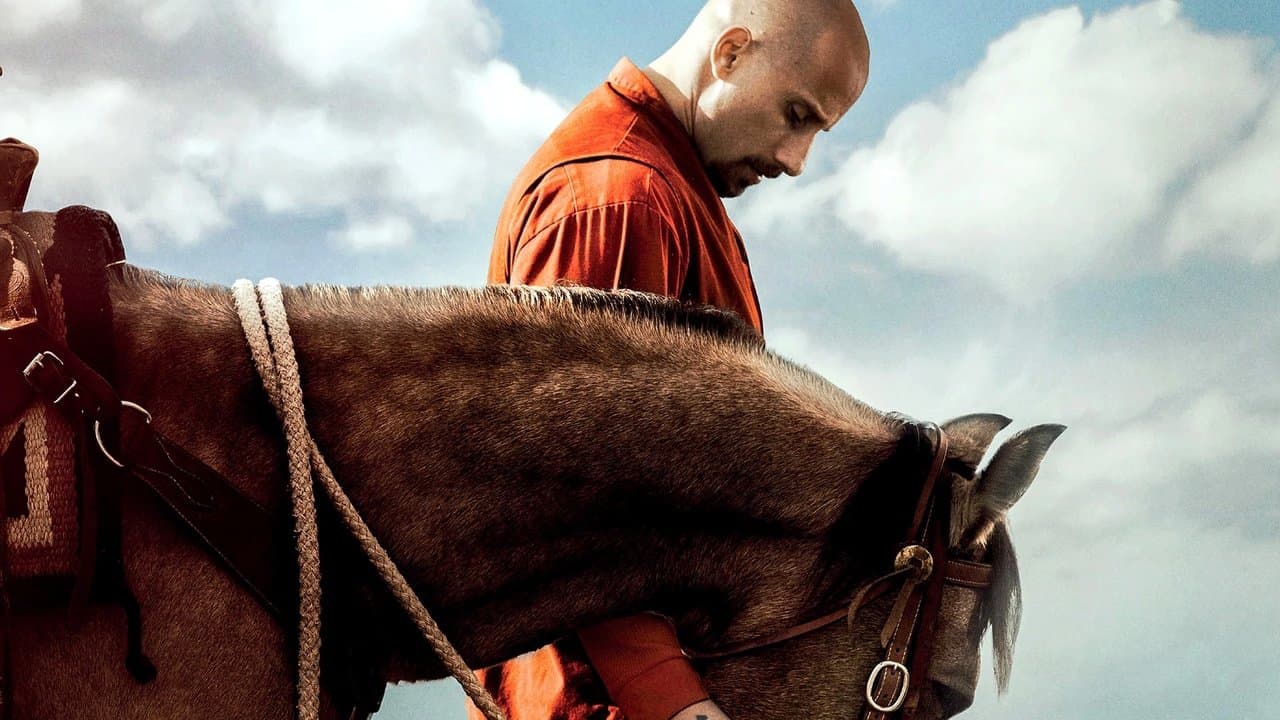
The Mustang follows Roman, a man serving time for a brutal act of violence, who's given a chance at transformation through an unlikely avenue: a prison rehabilitation program centered on training wild mustangs. At first, he can't connect with the horses or his fellow inmates—he's angry, guarded, and convinced that redemption isn't for someone like him. But as he's paired with an especially difficult mustang, something shifts. The animal mirrors his own fractured nature, and in learning to soothe this wild creature, Roman begins to confront the damage he's caused and the person he might still become. It's a narrative that could've felt heavy-handed, but instead it lands with genuine emotional weight. The 96-minute runtime moves with purpose, never lingering long enough to feel manipulative yet never rushing past the moments that matter.
Behind the making of The Mustang and its critical acclaim
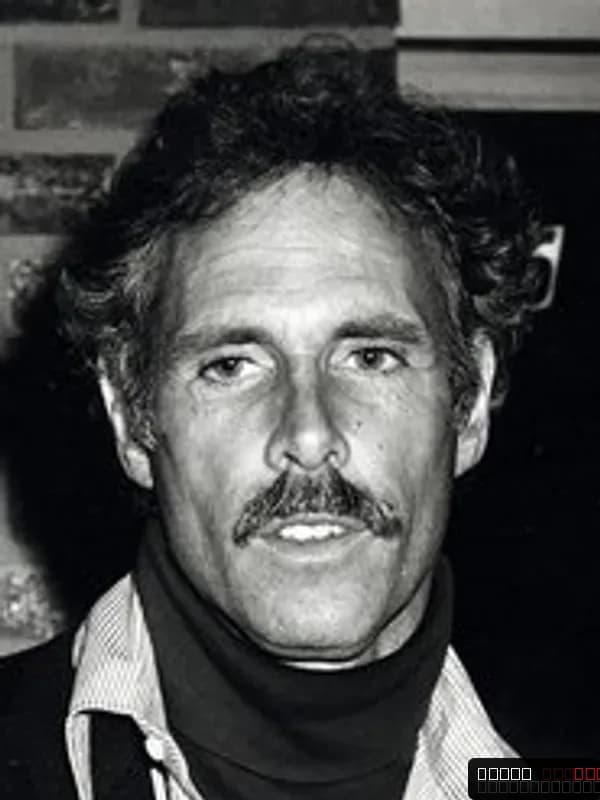
The Mustang marks the feature directorial debut of Légende Films-backed filmmaker Laure de Clermont-Tonnerre, who co-wrote the script alongside Mona Fastvold and Brock Norman Brock. This wasn't a passion project that sat in development hell—it was made with conviction and shot on location in Nevada, where actual Wild Horse Inmate Programs operate in facilities like Florence, Arizona. The production team (Nexus Factory, uMedia, MACT Productions, and C2M Productions) assembled a cast headlined by Belgian actor Matthias Schoenaerts, known for his intensity in films like Rust and Bone, with supporting turns from Jason Mitchell, Gideon Adlon, Connie Britton, and Bruce Dern. The film earned an R rating and pulled in $5.04 million at the box office—modest by Hollywood standards, but the real measure came in critical recognition. It won six awards across various ceremonies and garnered ten nominations, including nods at film festivals where it debuted to standing ovations. Most tellingly, it holds a 95% rating on Rotten Tomatoes and a Metascore of 77, signaling that both critics and audiences found something authentic here.
What makes The Mustang stand out beyond conventional prison drama
Here's what's striking: the film doesn't pretend to invent the wheel narratively. Reviewers have noted that from a story structure perspective, you've seen these beats before—the hardened inmate, the transformative program, the animal as metaphor for inner change. But what elevates The Mustang above the familiar formula is Clermont-Tonnerre's restraint and her eye for the small, credible moments that build into something moving. Schoenaerts' performance is deliberately unglamorous; he doesn't deliver a monologue where he breaks down and cries—instead, you see the cracks forming in real time, in the way he stands differently around the horse, in how his voice changes when he speaks to it. The film trusts its audience to read these shifts without spelling them out. What's equally important is that The Mustang doesn't sentimentalize the horses or the program itself. Yes, these rehabilitation initiatives are real (they've been operating since the 1980s in Colorado and elsewhere), but the film shows the frustration, the failure, the genuine danger of working with untamed animals. Roman doesn't magically become good. He becomes slightly less broken, slightly more capable of seeing another living thing as something other than an obstacle. That's the honest version of redemption the film offers, and it's far more powerful than the Hollywood alternative.
Where to stream The Mustang online
If you're looking to watch The Mustang, you'll find it available on major OTT streaming services. Rather than hunting across multiple platforms, Movie OTT aggregates current availability so you can see exactly where it's streaming right now—whether that's on your existing subscription or if you need to rent it through a particular service. The film's 96-minute runtime makes it perfect for a weeknight watch, and the emotional payoff doesn't require a huge time commitment. Check the Where to Watch widget at the top of this page for real-time platform availability in your region.
Frequently asked questions
Q: Is The Mustang based on a true story?
Yes. The Mustank is inspired by actual wild horse rehabilitation programs operating in several U.S. states, most notably the Wild Horse Inmate Program (WHIP) in Florence, Arizona, where inmates train federally-held wild mustangs. The program has been running since the 1980s and has become a model for prison rehabilitation.
Q: Who directed The Mustang?
French filmmaker Laure de Clermont-Tonnerre directed The Mustang as her feature film debut. She also co-wrote the screenplay alongside Mona Fastvold and Brock Norman Brock, bringing a fresh perspective to the prison-drama genre.
Q: What's the runtime and rating?
The Mustang runs 96 minutes and is rated R for language and some violence. It's a tight, focused film that doesn't waste time getting to the emotional core of its story.
Q: Who stars in The Mustang?
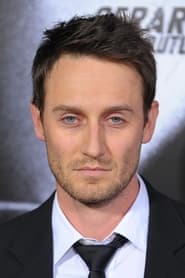
Matthias Schoenaerts carries the film as Roman, the incarcerated protagonist. The supporting cast includes Jason Mitchell, Gideon Adlon, Connie Britton, and Bruce Dern, all of whom ground the narrative in authenticity.
Q: Did The Mustang win any awards?
Yes—the film won six awards and received ten nominations at various festivals and award ceremonies, with particular praise from critics (95% on Rotten Tomatoes, 77 on Metascore) who recognized Clermont-Tonnerre's directorial skill and Schoenaerts' nuanced performance.
Final thoughts on The Mustang
There's something refreshing about a film that doesn't oversell its own importance yet somehow feels essential. The Mustang isn't trying to be a grand statement about the American prison system or a sweeping redemption epic. It's a character study wrapped in the surprising drama of horse training, and it works because everyone involved seems to believe in the material. If you're tired of prison dramas that feel like they're checking boxes, or if you want to see what happens when a first-time feature director brings real conviction to a modest story, this one's worth your time. It won't change your life, but it might change how you think about second chances—and that's enough.