The story of The Naked Street
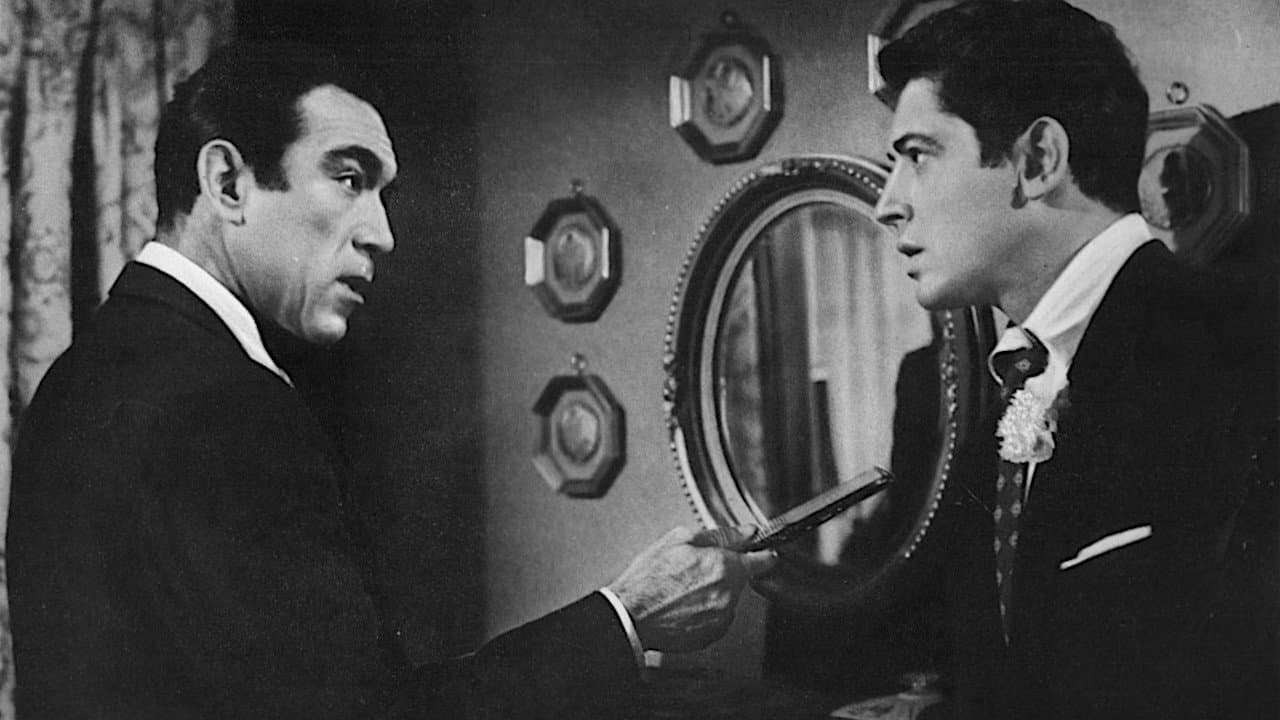
The Naked Street isn't your typical redemption story. Instead, it's a portrait of what happens when someone with power tries to play God with other people's lives. Phil Regal is a callous New York mobster—the kind of guy who gets things done through intimidation and bribery, never hesitation. When his pregnant sister Rosalie needs help, he sees a simple problem with a simple solution: her boyfriend Nicky Bradna is condemned, locked away in prison on a murder charge. Phil can fix that. He intimidates witnesses, bribes a store clerk, and pulls every string he has to get Nicky released. It seems like a victory, like Phil's money and muscle have actually accomplished something good for once. But that's where the film's real story begins. The consequences of Phil's interference—his meddling—start to cascade in ways he absolutely didn't foresee, and the "help" he's provided becomes a kind of poison.
Behind the making of The Naked Street
Director Maxwell Shane crafted The Naked Street as a lean, propulsive crime drama under Edward Small Productions, delivering 84 minutes of pure noir tension without a wasted frame. The film arrived in 1955, a year when the noir genre was evolving; the classic period was technically waning, but filmmakers like Shane were still mining the style's moral ambiguity and visual darkness for all it was worth. The cast brought serious pedigree to the material. Farley Granger, fresh from his collaborations with Alfred Hitchcock (Rope, Strangers on a Train), anchored the film with an intensity that made even his quieter moments feel loaded with threat. Anthony Quinn—already a fixture in Hollywood's crime pictures—played Nicky Bradna with a kind of trapped desperation, a man caught between gratitude and resentment toward his benefactor. Anne Bancroft, still building her reputation before she'd become a household name, brought nuance to Rosalie, caught between her brother's controlling love and her own autonomy. The film earned a respectable IMDb rating of 6.2/10, reflecting its solid craftsmanship even if it didn't quite achieve the canonical status of the genre's absolute masterpieces. No major awards came its way, but the picture was never meant to be a prestige play—it was a working crime drama, efficient and effective.
What makes The Naked Street stand out
What's striking about The Naked Street is how it refuses easy moral positions. You might expect the film to celebrate Phil's loyalty to his sister, or at least to present his actions as a necessary evil in a corrupt world. Instead, Shane seems genuinely interested in the damage that paternalism does—the way good intentions, when paired with absolute power, become their own form of corruption. Phil doesn't see himself as a villain; he's helping family. But that blindness is precisely the problem. The performances anchor this moral complexity. Quinn, in particular, carries a quiet fury throughout; he's grateful to Phil, sure, but he's also infantilized by the arrangement, stripped of agency. Granger, meanwhile, plays Phil with an unsettling smoothness—he's not a scenery-chewing gangster, just a guy who's learned that money talks and violence whispers, and he doesn't see why that should ever stop working. The thing nobody mentions is how the film's title works on you. The Naked Street—Brooklyn's main drag, that's what the tagline promises—becomes a kind of moral stage where everyone's exposed, where there's nowhere to hide from the consequences of your choices. That's noir at its best: not just shadows and fedoras, but a genuine reckoning with how power corrupts, how family obligation can become a trap, and how the people you're trying to save might not want saving.
Where to stream The Naked Street online
The Naked Street is available across major OTT services, and you can check the where-to-watch widget at the top of this page to see exactly which platform has it in your region right now. Streaming availability shifts constantly—what's on one service today might move to another next month—so Movie OTT keeps tabs on where classic and contemporary films land, saving you the hunt. If you're a noir enthusiast or just curious about how mid-1950s crime dramas handled moral ambiguity, this one's worth tracking down. The 84-minute runtime means it won't monopolize your evening, but it'll stick with you longer than you'd expect.
Frequently asked questions
Q: Who directed The Naked Street?
Maxwell Shane directed the film in 1955. Shane was a solid craftsman of noir and crime pictures, and he brought a lean, focused approach to this story about corruption and family obligation.
Q: Who stars in The Naked Street?
The film features Farley Granger (known for his Hitchcock collaborations), Anthony Quinn, and Anne Bancroft in key roles. Their performances carry the moral weight of the story.
Q: What's the runtime of The Naked Street?
The film runs 84 minutes, making it a compact but dense crime drama that doesn't linger on exposition.
Q: Is The Naked Street based on a true story?
No, The Naked Street is an original screenplay exploring themes of corruption, family loyalty, and the unintended consequences of wielding power—it's not adapted from real events, though its portrait of mob life and witness intimidation reflects the era's actual crime landscape.
Q: Where can I watch The Naked Street right now?
Check the where-to-watch widget on this page for current availability across streaming platforms. Movie OTT tracks which services carry this title in real time, so you'll know exactly where to find it.
Final thoughts on The Naked Street
The Naked Street deserves a second look. It's not a masterpiece, but it's a sharp, morally serious crime drama that doesn't condescend to its audience. In an era when noir was supposedly dying, Maxwell Shane and his cast made something that feels alive—restless, even. If you appreciate character-driven thrillers where nobody gets a clean exit, where good intentions curdle into something uglier, this one's for you. Don't expect explosions or car chases. Expect tension that builds from watching people trapped by their own choices and the choices of those who claim to love them. That's where the real danger lives.