








The Night Everything Changed
A missing-daughter thriller that works because it takes teenagers seriously.
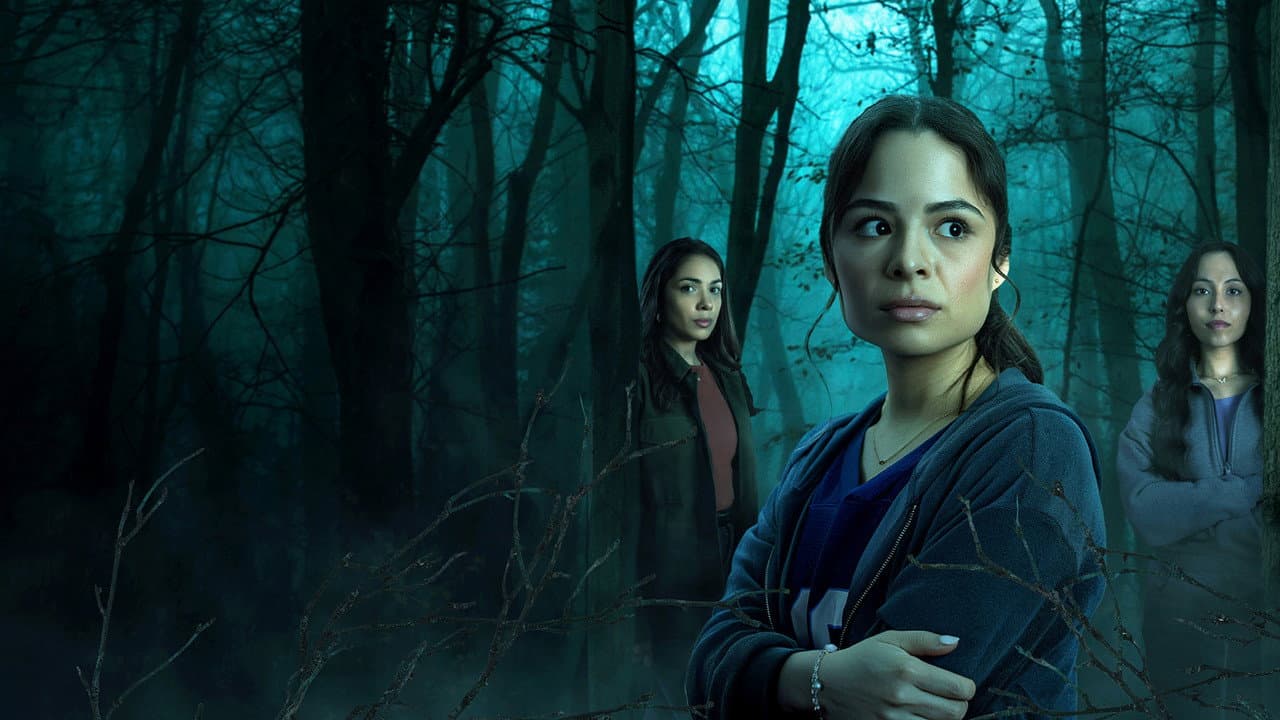
When Tina's teenage daughter vanishes from a sleepover in 2026, the film pivots from "where is she?" to something harder to answer: what was she actually doing, and who was she really with? That's where The Night Everything Changed finds its actual story—not in the missing-person mechanics, but in the secrets that unravel once the searching begins.
The Plot, Without the Spoilers
This is a film about what parents don't know. Tina's daughter doesn't come home. The sleepover story doesn't hold. Tina starts pulling threads—half-truths from her daughter's friends, deleted texts, sudden loyalties that crack under pressure—and discovers a forbidden romance and a betrayal between best friends that nobody wanted her to find. The clock keeps moving. The answers get messier.
What works here is that the film doesn't treat the teenage characters as plot devices. The forbidden relationship at the center isn't played for shock value. It's rendered with specificity—two people who genuinely care about each other, navigating something they don't understand, in a social world that would punish them for it. That's rare. So is the BFF betrayal subplot carrying as much emotional weight as the main mystery.
I keep coming back to one scene where Tina confronts one of her daughter's friends, and the girl just doesn't flinch. That stillness—that refusal to perform the breakdown you expect—is scarier than anything the plot delivers.
Where to Watch Right Now
The Night Everything Changed is a streaming-first film released in 2026. It skipped theatrical entirely, which makes sense for something this intimate and character-driven.
Check the where-to-watch widget at the top of this page for current availability in your region—or use Movie OTT's streaming tracker for a real-time breakdown of which platforms have it. Licensing shifts by country, and this film rotates between services depending on where you're watching from.
Why This Film Landed Differently
Most missing-daughter thrillers live or die by plot mechanics. The Night Everything Changed does something weirder: it commits to the emotional texture instead. No helicopter shots. No manipulative soundtrack cues designed to tell you how to feel. The tension comes from reaction shots—Tina sitting in her car, running through scenarios, her face doing all the work—and from dialogue that actually sounds like how people talk when they're scared and confused.
The production was lean. Tight budget. Emerging cast instead of marquee names. That restraint shows. There's no glossy distraction here, no scale to hide behind. The film earns its dread the old-fashioned way: by making you care about the people on screen and then putting them through something genuine.
The Performances That Carry It
The weight of this film rests almost entirely on sustained discomfort. Not big confrontations—though those land—but the quieter moments where you watch someone's face while they're thinking through something terrible. The actress playing Tina does that work, and it's the reason the film doesn't collapse under its own premise.
The teenage ensemble is where it gets interesting, though. They're written with more nuance than teen characters usually get in thrillers. Hard to say whether that's a script problem solved or a director who understood how to handle young actors, but the result is the same: these feel like actual people, not exposition machines.
Honestly, the film is doing something a little ambitious. It wants to be a thriller and a coming-of-age drama at the same time. The genre mechanics keep the engine running—the clues, the misdirects, the ticking clock—while the character work gives you something to care about when it's over.
Should You Watch It?
If you like psychological thrillers with emotional depth—films that care more about how people feel than how many plot twists they can cram in—then yes. If you want something that moves fast and delivers spectacle, this isn't it.
The pacing is deliberate. It asks you to sit with discomfort rather than rush past it. But audiences who take teenage experience seriously and want genuine suspense won't feel shortchanged. Fans of domestic thrillers will recognize the DNA here.
Streaming audiences have been finishing it, which is the first meaningful metric for this kind of content. That's the vote that matters.
What You Need to Know
Release year: 2026
Format: Streaming-first release
Rating: Not finalized across all territories as of publication, but the content—teen relationships, parental anxiety, sexual awakening among adolescents—suggests PG-13 or equivalent
Runtime: Check your streaming platform for exact timing
Based on: An original story, not adapted from real events
Who should watch: Adults interested in character-driven thrillers. Older teens and parents who want to understand how little they actually know about their kids' inner lives. Anyone who found Big Little Lies or similar domestic ensemble dramas compelling.
Who should skip: Viewers looking for fast-paced thriller mechanics or action. People who need plot momentum over character texture.
No sequel has been announced. The film appears designed as a standalone story, and its ending—without spoilers—doesn't leave obvious threads dangling for a follow-up.
FAQ
Where can I stream it?
Use the where-to-watch widget above, or check Movie OTT for platform availability by region. Licensing varies by country.
Is it based on a true story?
No. The core anxieties—parental fear, teenage secrecy, hidden relationships—are recognizable, but the story is original.
How long is it?
Exact runtime varies by platform. Check your streaming service for the precise length.
Is it family-friendly?
Not for young children. The themes and content lean toward older teens and adults. Check your platform's content details if you're unsure.
Movie OTT tracks critical reception and streaming availability for films like this one. If it rotates to a new platform or earns festival recognition, we'll update this page.
Stream it. Then talk about it with someone who's seen it too—that's when the film actually reveals what it's doing.