






What The Nuthouse is really about
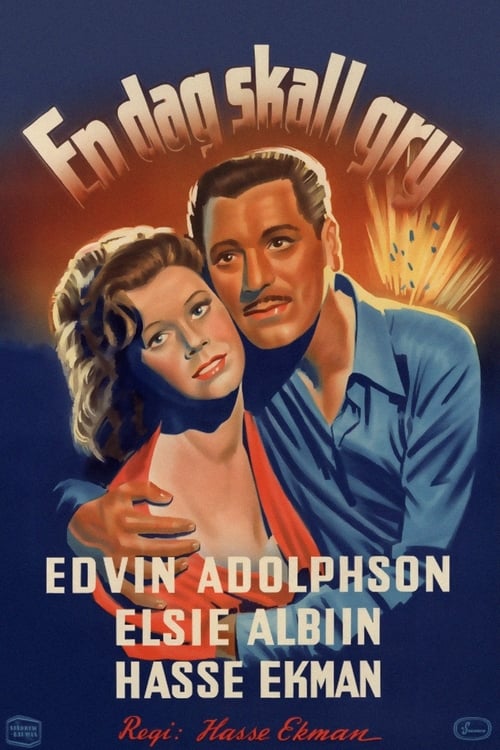
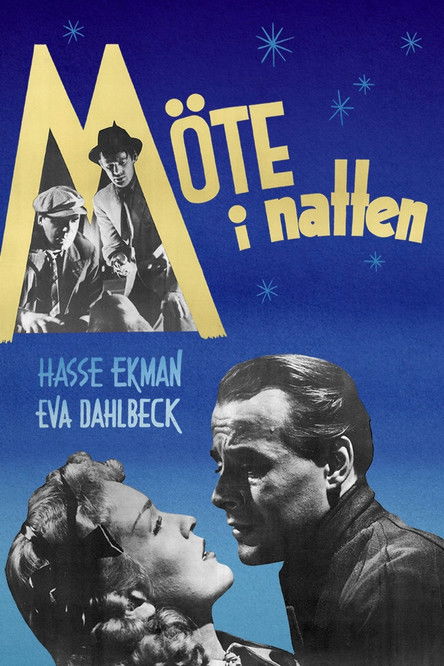
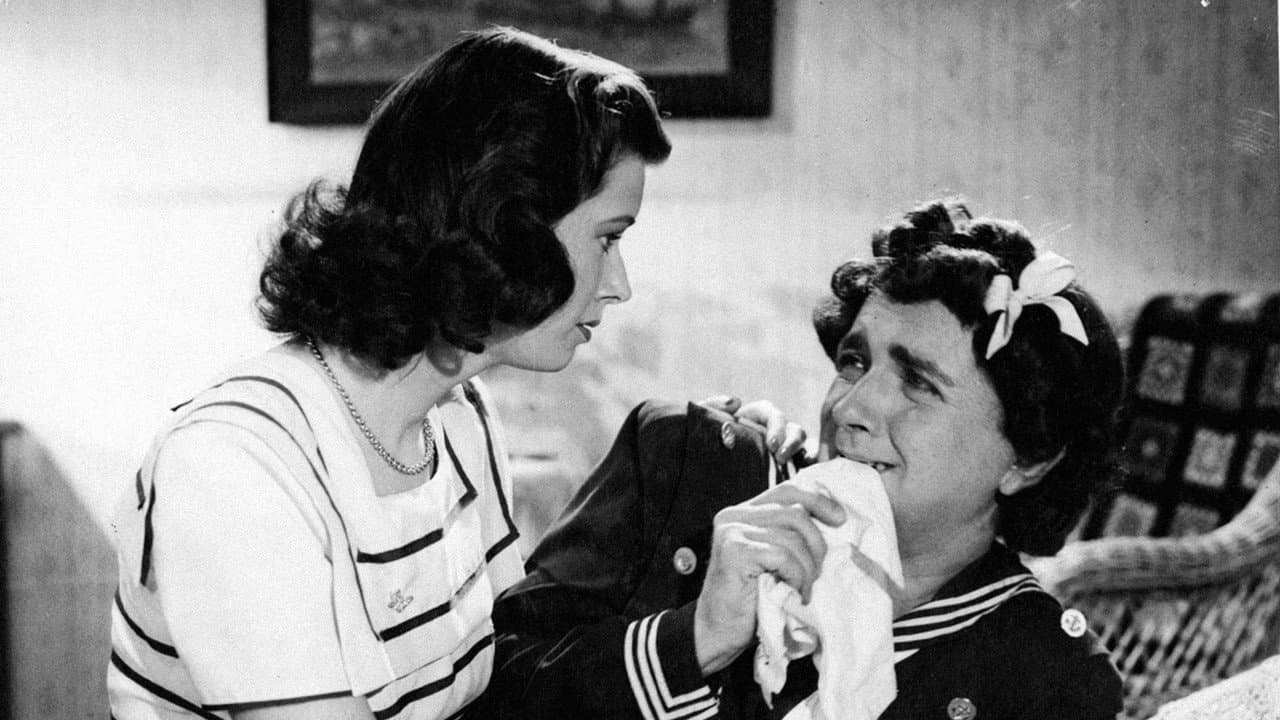
The Nuthouse isn't your typical 1951 comedy. It's set in Stockholm in the year 2248—yes, 2248—where an excavation team unearths 45,000 meters of film supposedly created by Hasse Ekman himself during the 1940s. The discovered material is a mess, fragmented and chaotic, and the Society for Ancient Film Research must piece it together according to what they believe were the master director's original artistic intentions. It's a film about films, about lost art, about the gap between what an artist creates and what survives. What unfolds is less a straightforward narrative and more a meditation on cinema's fragility and the strange power we grant to "lost masterworks." The premise alone—a director imagining his own work being archaeologically reconstructed centuries in the future—is audacious enough to signal that Ekman wasn't interested in conventional storytelling.
Behind the making of The Nuthouse and Ekman's vision
Hasse Ekman was no minor figure in Swedish cinema. He directed, wrote, and often starred in his own films throughout the 1940s and 1950s, establishing himself as one of Scandinavia's most prolific and inventive filmmakers. The Nuthouse emerged from Hasse Ekmanfilm and Terrafilm, two production companies that gave him considerable creative freedom—something you can feel in every frame. At 78 minutes, it's lean and purposeful, which matters because Ekman doesn't waste time on exposition; he trusts the audience to understand that the film itself is the joke, the statement, the whole point. The film's IMDb rating sits at 5.2 out of 10, which tells you something about how audiences and critics have historically received it. That's not a ringing endorsement, and honestly, it probably reflects how bewildering the film can feel if you're expecting a conventional comedy. But that low score also hints at something worth investigating—films that confound expectations often do so because they're trying something genuinely different. This is a work from a director confident enough to play games with form and audience expectation, even if not everyone signed up for those games.
Why The Nuthouse works as meta-cinema, even when it shouldn't
What's striking about The Nuthouse is how it manages to be both deeply silly and genuinely thought-provoking—though I'll admit it doesn't always land evenly. The film operates on the principle that cinema is precious, fragile, and subject to interpretation by forces beyond the artist's control. That's not a new idea, but in 1951, when film preservation wasn't yet a cultural priority, it carried real weight. The Society for Ancient Film Research, treating 1940s footage like ancient texts, is a brilliant satirical mirror held up to film criticism and archival work. Ekman seems to be asking: how much of what we call "artistic intention" is actually just the curator's guess? The performances work because the actors understand they're playing a kind of double game—they're characters in a reconstructed film, which means they're both sincere and slightly absurd at once. It's a tone that's genuinely hard to pull off, and when it works, it's because the cast commits fully to the strangeness. The 78-minute runtime helps; Ekman doesn't overstay his welcome. He makes his point and moves on, which keeps the film from becoming self-indulgent or precious about its own cleverness.
Where to stream The Nuthouse right now
The Nuthouse is currently available on major OTT services, and you can check the "Where to Watch" widget at the top of this page to see which platform carries it in your region. Streaming availability shifts frequently, so if you're curious about this oddball Swedish comedy-drama, that widget will give you the most up-to-date information on where it's actually streaming today. Movie OTT tracks these changes across platforms in real time, so you won't waste time hunting. It's worth noting that older European films like this one don't always get wide distribution, so if you see it available, it might be worth grabbing it sooner rather than later—these titles can rotate off catalogs without much warning.
Frequently asked questions
Q: Who directed The Nuthouse?
Hasse Ekman directed The Nuthouse in 1951. He was a prolific Swedish filmmaker known for writing, directing, and starring in his own films throughout the 1940s and 1950s, making him one of Scandinavia's most inventive directors of that era.
Q: Is The Nuthouse based on a true story?
No, it's a work of fiction, though the concept is meta-textual—Ekman imagines a future in which his own 1940s work is excavated and reconstructed by scholars. It's satire about film preservation and artistic interpretation rather than a biographical or historical account.
Q: How long is The Nuthouse?
The film runs 78 minutes, making it a lean, purposeful viewing experience that doesn't overstay its welcome despite its unconventional structure.
Q: What genres does The Nuthouse blend?
The Nuthouse combines comedy and drama, using humor to explore serious questions about cinema, preservation, and the gap between an artist's intentions and how their work is later interpreted.
Q: Why is The Nuthouse rated so low on IMDb?
With a 5.2 out of 10 rating, The Nuthouse likely confuses audiences expecting a straightforward comedy. Its meta-fictional approach and formal playfulness aren't for everyone, and viewers seeking conventional narrative satisfaction may find it frustrating or overly clever.
Final thoughts on whether The Nuthouse deserves your time
The Nuthouse isn't a film that'll appeal to everyone, and that's okay. If you're drawn to experimental cinema, to filmmakers playing games with form and audience expectation, or to the kind of European art-house comedy that doesn't explain itself—then this is worth tracking down on your preferred streaming service. It's a brief, strange, genuinely original work from a director who understood that cinema could be as much about ideas as about plot. Seventy-plus years later, it still feels like Ekman winking at us from across time, asking whether we'll understand his joke or just see the wreckage.