







The Odyssey
Christopher Nolan's 2026 epic arrives July 17 — an IMAX 70mm adaptation of Homer's ancient Greek myth, starring Matt Damon as Odysseus. Here's everything you need to know before it hits theaters.
What you're actually getting: a 10-year war story told as pure spectacle
The Odyssey isn't a reimagining. It's a straight adaptation of Homer's poem — the one where a king spends a decade trying to get home after the Trojan War ends, only to find the gods have decided he doesn't deserve the journey to be easy. Odysseus faces monsters, divine punishment, and the particular cruelty of a pantheon that takes personal offense at mortal stubbornness. It's survival, sure — but also a story about the cost of refusing to break.
Back in Ithaca, Penelope waits. She's holding the kingdom together while suitors circle and everyone assumes she's just... waiting. It's one of Greek mythology's most underwritten great roles, and there's real curiosity about how much of this film actually lives at home rather than at sea.
The tagline is "Defy the gods." That tells you something about the tone right there.
Why Nolan + Homer = an unusual bet
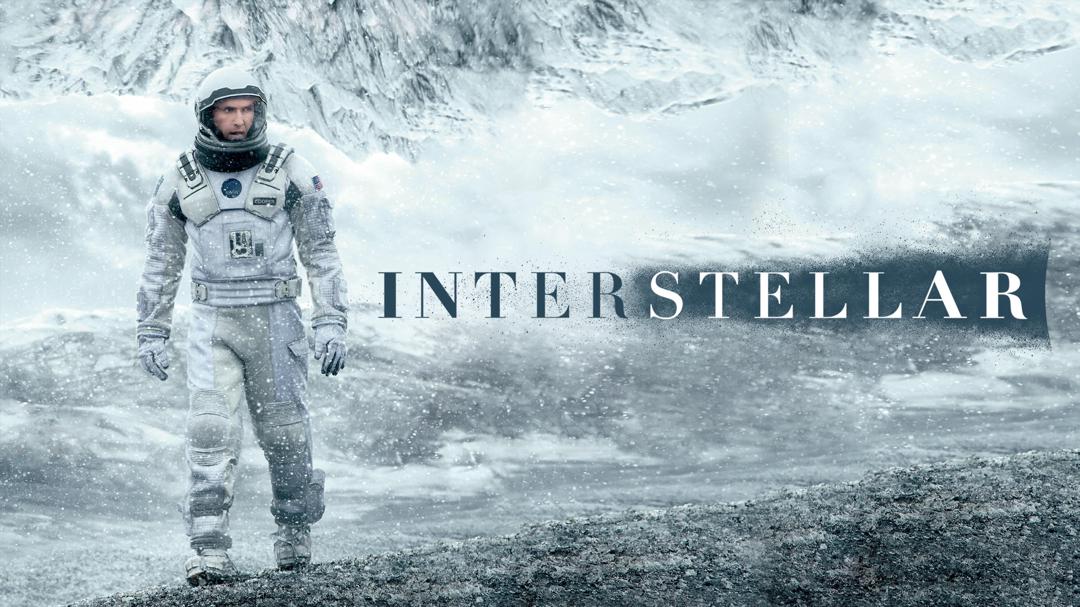
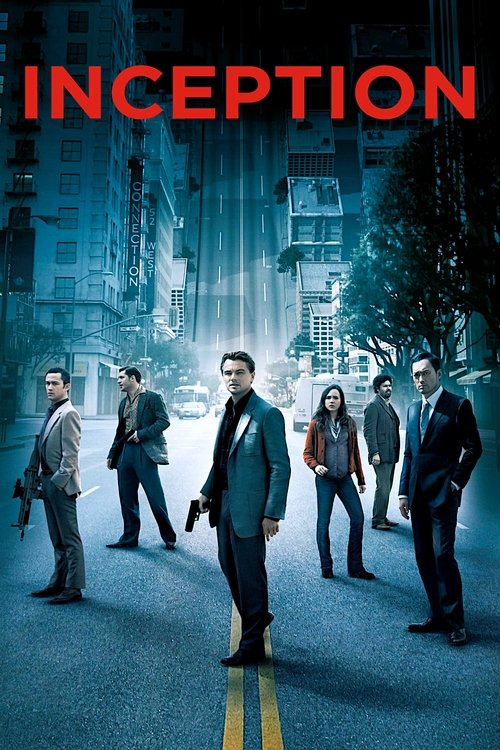
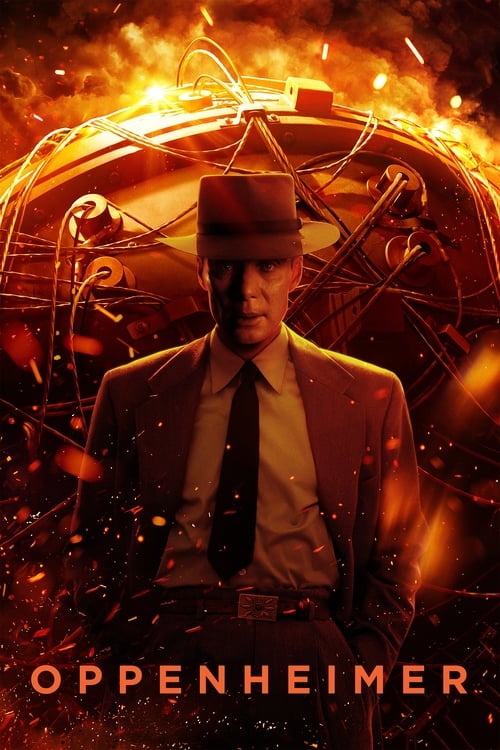
What's striking is how well Homer's source material fits Nolan's particular obsessions. He's spent his career circling questions of time, memory, and the gap between what a person chooses and what fate has already decided — Memento, Interstellar, Dunkirk, Oppenheimer. The Odyssey is, at its core, a story about a man who refuses to accept that the universe has already written his ending. That's Nolan territory.
The peplum tradition — those sweeping, sandals-and-swords historical fantasies rooted in Greek and Roman myth — usually treats mythical elements as window dressing. Special effects opportunities, not philosophical weight. Nolan's approach seems different. He wrote and directed this himself, shot on real locations across seven countries, and committed fully to practical filmmaking at a scale that's genuinely rare right now. No green-screen substitute for the real thing here — the production traveled to Morocco, Greece, Italy, Scotland, Iceland, Western Sahara, and Malta, shooting the entire film on IMAX 70mm.
That's not a casual choice. IMAX 70mm demands enormous logistical effort and rewards audiences with an image density that no digital pipeline currently matches.
The cast is, frankly, stacked
Matt Damon leads as Odysseus — which is interesting partly because he doesn't typically play kings. There's something grounded and slightly weathered about his screen presence that could work well for a version of Odysseus defined less by heroic grandeur than by sheer, grinding persistence. Anne Hathaway plays Penelope.
The supporting roster includes Tom Holland, Robert Pattinson, Lupita Nyong'o, Zendaya, Charlize Theron, Jon Bernthal, Benny Safdie, John Leguizamo, Samantha Morton, Himesh Patel, and Mia Goth. That's not a supporting cast — that's a roster of people who could each anchor their own film. Hard to say if every character will get the screen time those names deserve, but the ambition is clear.
Hoyte van Hoytema (Nolan's cinematographer since Interstellar) handled the camera work. Jennifer Lame — who edited both Tenet and Oppenheimer — cut the film. Ludwig Göransson, fresh off his Oscar-winning Oppenheimer score, composed the music. That's a creative team with a shared grammar, and it shows.
Where and when to actually watch it
Release date: July 17, 2026 — theatrical only, in standard format, IMAX, and IMAX 70mm presentations worldwide. No streaming or home release date has been announced yet (and for a Universal film of this scale, don't expect one until late 2026 or early 2027).
The film isn't currently available on streaming services — it hasn't been released. Once it hits theaters and the theatrical window closes, Movie OTT will track where it lands and provide real-time platform availability across your region. Streaming rights for major theatrical releases shift frequently, so checking back closer to the home-viewing window makes sense.
Frequently asked questions
Q: Who's directing, and is this faithful to Homer?
Christopher Nolan wrote and directed. This is a direct engagement with Homer's source material — not a loose reimagining, but the actual mythical voyage of Odysseus from Troy back to Ithaca.
Q: Is it actually filmed in Greece?
Yes — among other locations. The production shot on IMAX 70mm across seven countries including Greece, Morocco, Italy, Scotland, Iceland, Western Sahara, and Malta. Real locations, real scale.
Q: Should I read the poem first?
Not necessary. The Odyssey isn't just for audiences who've read Homer — it's for anyone who responds to filmmaking that treats scale as a commitment rather than a marketing tool. Nolan doesn't make small films, and he doesn't make cynical ones.
Q: How does this compare to other Greek myth adaptations?
Most peplum films treat mythical elements as visual spectacle. Nolan seems interested in the philosophy underneath — the tension between fate and choice, between survival and dignity. The shooting locations, the IMAX commitment, the ensemble depth — it's a statement that this story matters beyond the action sequences.
What to do next
Mark July 17, 2026 on your calendar. If you're drawn to Greek mythology, ancient history, or filmmaking that takes its subject seriously, this is worth following. Movie OTT will have full coverage, streaming updates, and platform availability as the release approaches — check back closer to summer for where to watch once the theatrical window closes.