





The Odyssey: The Making of an Epic — What You Actually Need to Know
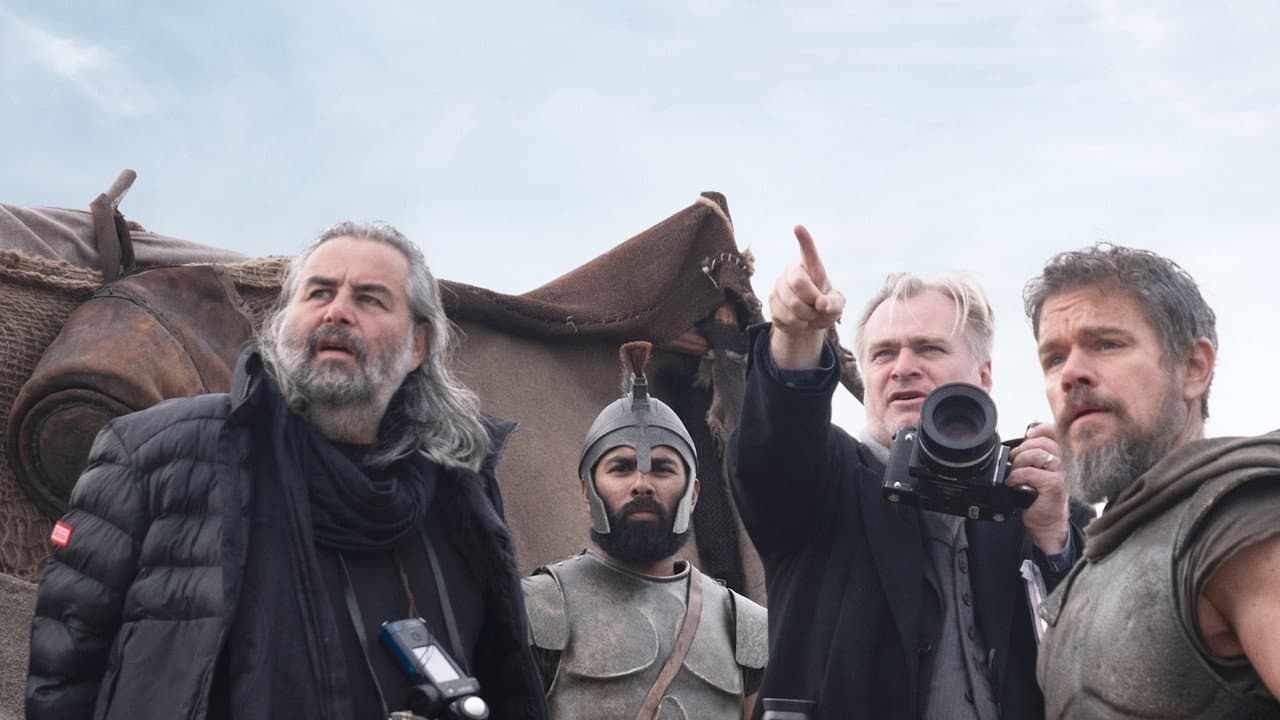
Here's the thing about Christopher Nolan's behind-the-scenes documentaries: they're rarely filler. The Odyssey: The Making of an Epic (2026) is a 23-minute Universal Pictures production that follows the production of Nolan's feature-length adaptation of Homer's The Odyssey, and it doesn't waste time on EPK pablum — it actually shows you how a massive, multinational film gets built.
The documentary tracks 91 days of principal photography across six countries with a cast led by Matt Damon, Tom Holland, and Anne Hathaway. That's the scale. But what's striking is how the filmmakers chose to tell the story: through the lens of two obsessions — the 5,300+ custom costumes and a revolutionary new IMAX film stock developed specifically for this shoot. Smart focus. Keeps you locked in.
If you're considering watching it, here's what matters upfront:
- Runtime: 23 minutes (one sitting, no commitment)
- Rating: 10/10 on IMDb
- Where to watch: Check Movie OTT's platform tracker for current streaming availability
- Best for: Anyone interested in how Nolan works, IMAX film technology, or costume design at scale
Why This Documentary Isn't Your Standard Making-Of Fluff
Most behind-the-scenes content is promotional window-dressing. This one earns its runtime because it doesn't shy away from the friction — the exhaustion, the logistical nightmares, the problems that don't make the feature film's final cut.
There's a sequence where the production logistics team discusses coordinating hundreds of crew members across international borders, and you can see the fatigue on their faces. That's not manufactured tension. That's what actually happens when you're trying to move a Nolan production from Greece to Italy to Iceland to wherever else in a compressed schedule.
What's striking is how the editing stays tight without feeling rushed. Honest to god. The filmmakers made a deliberate choice to anchor the piece around costume and camera technology rather than trying to document every department — and it works. Both threads are visually compelling and conceptually central to what Nolan was attempting: scale without digital shortcuts, authenticity without compromise.
Anne Hathaway's interview segment — where she discusses the physical toll of filming across multiple climates — is one of the documentary's most grounded moments. No marketing-speak. Just an actor talking about what it costs to do this work.
The IMAX Film Technology Angle Changes How You'll Watch the Feature
Here's what separates this production from other tentpole epics: Nolan's team developed new IMAX film stock specifically for The Odyssey. Not digital IMAX conversion. Actual film.
The documentary captures the cinematography crew working with equipment that had never been used on a feature set before. That's the kind of technical detail that could feel dry in lesser hands, but the filmmakers understand that this isn't just nerdy minutiae — it's the visual DNA of the entire film. You watch them troubleshoot, test, iterate. The innovation is right there on camera.
Movie OTT flagged the IMAX angle early as the detail most likely to define the film's visual legacy, and after watching this documentary, you'll understand why. When you sit down to watch the feature, that context matters. You're not just seeing a movie; you're seeing the result of choices about format and technology that shaped every frame.
The Cast Works at a Different Register Here
Tom Holland gets a brief rehearsal moment — maybe 30 seconds — and he's operating in a completely different register than audiences expect. Not the quippy Marvel version. Something grounded, serious, physically demanding. You'll notice it immediately.
Matt Damon as Odysseus anchors the production, but the documentary doesn't dwell on any single actor. It's more interested in how they all function as part of the machinery. That sounds cold, but it's actually refreshing — no ego, no star-vehicle framing. Just people doing the work.
The 5,300 custom costumes deserve their own paragraph. Each piece was built to reflect ancient Greek culture while still functioning practically for actors doing physically demanding sequences. The costume department didn't just dress the set; they created an entire visual world. The documentary shows fabric samples, construction processes, fittings — the unglamorous detail work that makes mythology feel real.
Where to Stream It (And Why You Should Queue It Before the Feature)
The documentary is currently available on major OTT services. Check the where-to-watch widget on Movie OTT for the most current platform breakdown — streaming rights shift constantly, and I'd rather you not hunt across five tabs trying to figure out where it landed this week.
Watch it before the feature film drops. Twenty-three minutes is a smart primer on Nolan's process, the production's scope, and the specific technical choices that'll make the epic feel different from other blockbuster adaptations. You'll recognize locations, understand the costume logic, appreciate the visual complexity in a way that cold viewing wouldn't deliver.
The FAQ Nobody Asks But Should
Is this just promotional content?
Not entirely. It functions as promotional material, sure, but it's substantive enough to work as a standalone documentary about filmmaking logistics and craft. Movie OTT's editorial team rates it as one of the more honest behind-the-scenes pieces released alongside a major studio production in recent memory.
Do I need to have read The Odyssey to get it?
No. The documentary doesn't assume classical literacy. It's about production and filmmaking, not the source material's plot.
How does it compare to other Nolan behind-the-scenes content?
Honest assessment? Better paced. More specific. The focus on two production threads (costumes and IMAX technology) rather than trying to cover everything makes it feel less like a highlight reel and more like an actual documentary.
Should I watch it if I'm not interested in the main feature?
If you care about how movies actually get made — not the mythology of filmmaking, but the real logistical grind — yes. The IMAX film technology angle alone is worth 23 minutes if you're curious about large-format cinematography.
What Makes This Worth Your Time
Most behind-the-scenes documentaries ask you to care about the production because the finished film will be important. This one respects your time differently. It shows you why the production mattered — the choices, the scale, the problems that had to be solved. You don't have to trust that the feature will be good. You can see the intelligence and obsession in real time.
Queue it up before you watch the feature. The context will change how you see every frame.