
The Story of The Other Side of the Door
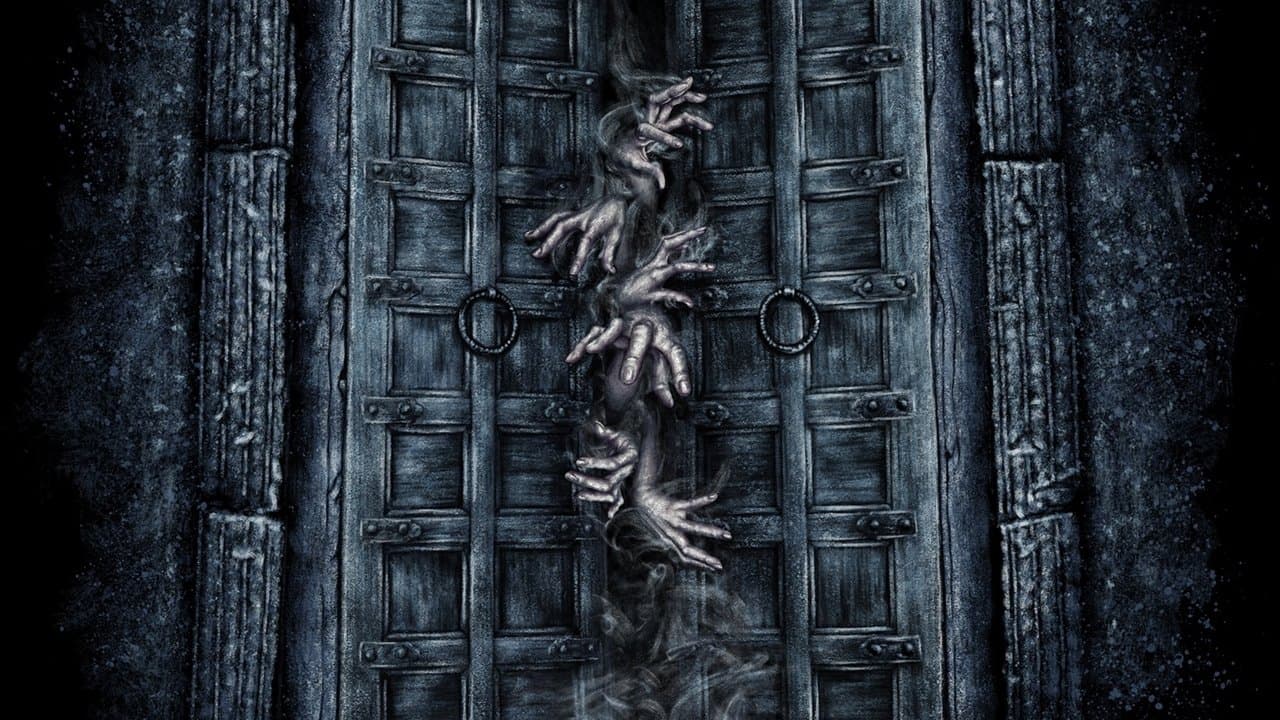
The Other Side of the Door is a 2016 supernatural horror film that takes a deeply human tragedy—the loss of a child—and transforms it into something genuinely unsettling. Sarah Wayne Callies plays Maria, a mother still reeling from the death of her young son. Grief hasn't loosened its grip; it's only tightened. She's struggling not just with the loss itself, but with her complicated feelings toward her surviving daughter and her marriage, which has fractured under the weight of shared mourning.
When Maria learns of an ancient Indian ritual that promises closure—a chance to say goodbye to her dead child one final time—she becomes obsessed. There's a catch, of course. There's always a catch. The ritual comes with a strict condition: she must never, under any circumstances, look back once she's performed it. It's a setup as old as myth itself, and yet the film mines genuine dread from the inevitability of what comes next. What happens when a mother's love collides with a rule she can't possibly keep? The answer sets everything in motion.
Behind the Making of The Other Side of the Door
Director Johannes Roberts, working from a screenplay he co-wrote with Ernest Riera, brought this Anglo-Indian co-production to life on a modest $5 million budget. The film was shot across the United Kingdom and India, leveraging both locations to build atmosphere—the claustrophobic grief of a Western home contrasted against the spiritual weight of Indian ritual and landscape. Released on March 4, 2016, The Other Side of the Door found an audience despite mixed critical reception, ultimately grossing over $14 million worldwide.
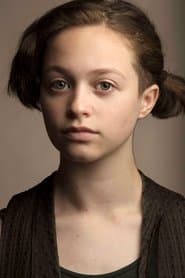
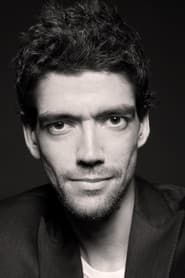
The cast carries real weight. Callies, known for her role in The Walking Dead, anchors the film with a performance that captures the specific exhaustion of prolonged grief—not the dramatic collapse, but the slow erosion that comes from months of pretending you're holding it together. Jeremy Sisto plays her husband, a man watching his wife slip away into obsession. Sofia Rosinsky appears as the daughter, and Javier Botet—a Spanish actor with an unsettling physical presence—plays the thing that returns from the other side. It's not a star-studded cast, but it's a committed one. Roberts had already built a reputation in horror cinema, and this project gave him a platform to explore something beyond jump scares: the horror of maternal love twisted into something dangerous.
The production design deserves mention. The Indian sequences have a tactile, lived-in quality that grounds the supernatural elements in something that feels real, even when it stops being rational. That's harder to pull off than it sounds.
What Makes The Other Side of the Door Stand Out
What's striking about The Other Side of the Door is how it refuses to let grief be simple. Most horror films treat loss as backdrop; this one makes it the actual engine. Maria isn't a villain. She's not stupid or reckless in the way that drives so many horror plots. She's just a woman who can't accept that her son is gone, and that very human refusal—that very understandable refusal—becomes the source of terror.
The performances ground the film's more fantastical elements. Callies carries the weight of a woman unraveling, and there's something genuinely unsettling about watching her maternal instinct become corrupted, twisted into something protective of the wrong thing entirely. Sisto brings a kind of helpless frustration to his scenes—he can see what's happening, but he can't stop it. That dynamic, that feeling of watching someone you love make a catastrophic choice and being powerless to prevent it, is where the real horror lives. Not in jump scares or grotesque imagery, but in the slow recognition that love itself can be dangerous.
Reviews from audiences suggest the film doesn't always land perfectly—pacing issues and narrative patches have been noted—but there's also recognition that Roberts was attempting something more ambitious than a standard supernatural thriller. The concept alone carries weight: what if the person you loved most became the thing you should fear most? That's the question that haunts the film, and it's a question that lingers after the credits roll.
Where to Stream The Other Side of the Door Online
The Other Side of the Door is currently available on major OTT services, and you can check the "Where to Watch" widget at the top of this page for real-time availability across your preferred platforms. Streaming rights shift frequently, so what's available today might change next month—that's where Movie OTT comes in handy, tracking current availability so you don't have to hunt across five different apps. If you're in the mood for supernatural horror with emotional weight, it's worth checking whether it's streaming in your region right now.
Frequently Asked Questions
Q: Who directed The Other Side of the Door?
Johannes Roberts directed the film, also co-writing the screenplay with Ernest Riera. Roberts had already established himself in horror cinema before taking on this project.
Q: What is the runtime of The Other Side of the Door?
The film runs 96 minutes, a lean runtime that keeps the narrative moving without unnecessary padding.
Q: Is The Other Side of the Door based on a true story?
No, it's an original screenplay, though it draws on the real mythology and folklore surrounding various cultures' rituals for honoring the dead. The ritual itself is fictional, but grounded in genuine spiritual traditions.
Q: What's the IMDb rating for The Other Side of the Door?
The film holds a 5.5/10 rating on IMDb, which reflects mixed audience reception—some viewers found it a solid supernatural thriller, while others felt it fell short of its premise's potential.
Q: Where can I watch The Other Side of the Door?
You can find current streaming availability by checking the widget at the top of this page, which lists all platforms currently carrying the film in your region.
Final Thoughts on The Other Side of the Door
The Other Side of the Door won't be everyone's cup of tea. It's not a perfect film—it stumbles at times, and the rating it's received reflects genuine flaws in execution. But there's something here worth watching, especially if you're drawn to horror that roots itself in emotional truth rather than spectacle. It's a film about what happens when love becomes indistinguishable from obsession, when the desire to hold onto someone becomes the thing that destroys you. That's a premise that deserves to be seen, even if the delivery isn't always flawless.