

The story of The Outsider and its clash of ideologies
The Outsider follows Michael Flaherty, an American of Irish descent who returns to Belfast in the 1970s burning with romantic notions about the cause his grandfather Seamus once fought for. He arrives expecting a hero's welcome—a homecoming wrapped in ancestral pride and revolutionary fervor. What he finds instead is far more complicated. The film doesn't shy away from the central tension: Flaherty is American first, Irish second, and that distinction matters more than he ever anticipated. Almost immediately, he discovers he's become entangled in an IRA assassination plot designed to frame British forces and drum up financial support from wealthy Americans back home. It's a setup that turns his idealism into a liability. The 128-minute runtime gives the narrative room to breathe, to let the moral ambiguity settle in—this isn't a straightforward political thriller but a character study wrapped in Cold War intrigue.
Behind the making of The Outsider and its directorial debut
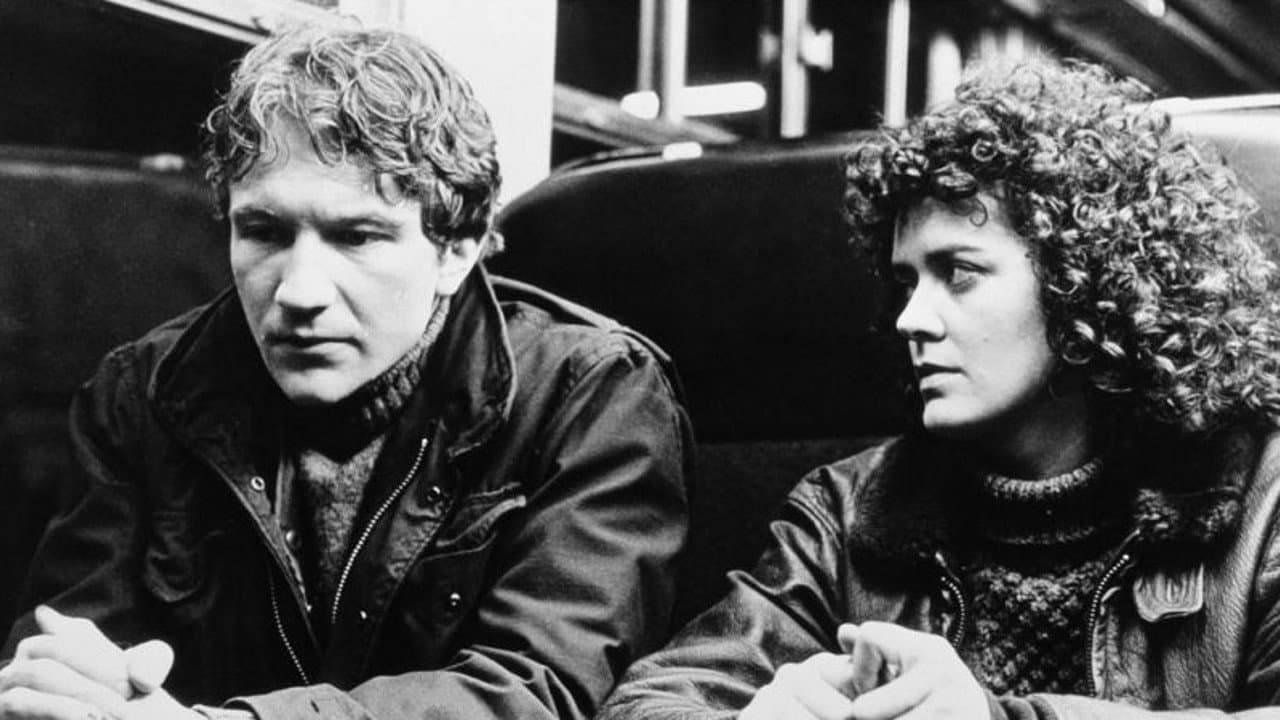
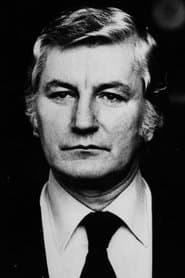
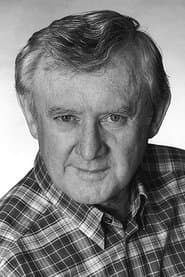
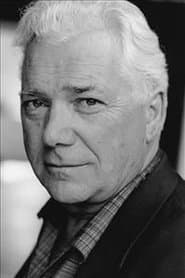
The Outsider marked the feature directorial debut of Tony Luraschi, an Italian-American filmmaker making his first major statement in cinema. The film is based on Colin Leinster's novel The Heritage of Michael Flaherty, adapted for the screen with an eye toward the messy realities of The Troubles rather than Hollywood mythology. Craig Wasson, then a rising actor in his late twenties, carries the weight of the protagonist—a role that demands vulnerability alongside toughness, the ability to convey both naïveté and growing awareness. Sterling Hayden, a veteran character actor with decades of screen presence, anchors the film as Seamus, Flaherty's grandfather, lending gravitas to the older generation's complicated relationship with the younger man's arrival. The film received an R rating, reflecting its unflinching approach to political violence and moral compromise. While box office returns weren't blockbuster territory—the film arrived in a crowded year for cinema—it found an audience among viewers interested in serious political drama. Movie OTT tracks where this overlooked gem remains available for streaming today, making it easier for new audiences to discover Luraschi's ambitious debut.
What makes The Outsider stand out as a political character study
What's striking about The Outsider is how it refuses the easy narrative—the one where the American hero comes home and saves the day. Instead, Luraschi and his cast build something more unsettling: a film about how good intentions curdle when they meet reality. Wasson's performance captures Flaherty's disintegration beautifully, the way his certainty erodes with each revelation. The thing nobody mentions is how the film treats the IRA itself—not as a monolithic force of good or evil, but as an organization with competing factions, some of whom see Flaherty as useful, others as dangerous, and still others as expendable. Hayden, working with less screen time than you might expect, makes every moment count; there's a weariness in his scenes that speaks to a lifetime of struggle. The film's Belfast setting isn't just backdrop—it's a character in itself, a city fractured by competing loyalties where an outsider (even one with bloodline claims) can never quite belong. The cinematography captures the grey, rain-soaked streets and the claustrophobic interiors where the real plotting happens. It's the kind of 1970s political thriller that doesn't provide comfortable answers, which is partly why it's been somewhat forgotten in favor of flashier spy films from the same era.
Where to stream The Outsider online
The Outsider is currently available on major OTT services, and if you're hunting for it, the Where to Watch widget at the top of this page will show you exactly which platforms are carrying it right now. Streaming availability shifts regularly, so checking that widget before you hit play saves the frustration of false starts. Whether you're a subscriber to multiple services or you're selective about which platforms you use, movieott.com aggregates all that information so you don't have to bounce between apps guessing. It's one of those films that rewards the effort of tracking it down—not a crowd-pleaser, but absolutely worth your time if you're interested in 1970s political cinema or underrated character-driven thrillers.
Frequently asked questions
Q: Is The Outsider based on a true story?
No, it's a fictional narrative, though it draws from the real historical context of The Troubles in 1970s Belfast. The film imagines what might happen if an idealistic Irish-American arrived during that period and became entangled in IRA operations—a scenario rooted in plausible history but not tied to any single documented case.
Q: Who directed The Outsider?
Tony Luraschi directed The Outsider as his feature film debut. He brought an Italian-American perspective to this Irish political drama, creating a work that stands apart from typical American takes on Irish history.
Q: What's the runtime of The Outsider?
The film runs 128 minutes, giving it substantial time to develop its characters and explore the moral complexities of Flaherty's situation rather than rushing through plot beats.
Q: Why isn't The Outsider more well-known?
It arrived in 1979, a year crowded with acclaimed releases, and its refusal to provide heroic or comforting narratives meant it never found the mainstream audience that flashier thrillers captured. It's the kind of film that's been rediscovered in bits and pieces by cinephiles rather than becoming a cultural touchstone.
Q: What's the IMDb rating for The Outsider?
The film holds a 5.818 rating on IMDb, which reflects mixed critical and audience reception—respectable for a challenging political drama that doesn't aim to please everyone.
Final thoughts on The Outsider
The Outsider isn't perfect. Some pacing issues, moments where the plotting feels a bit mechanical—but that's almost beside the point. What matters is that it's a genuinely ambitious film about identity, belonging, and the gap between what we imagine home to be and what it actually is. If you're tired of Netflix thrillers that resolve everything in the final act, if you want a film that trusts you to sit with moral ambiguity, this deserves your attention. It's exactly the kind of overlooked 1970s gem that streaming services are supposed to make accessible again.