What The Pleasure Dome is about — and why it matters
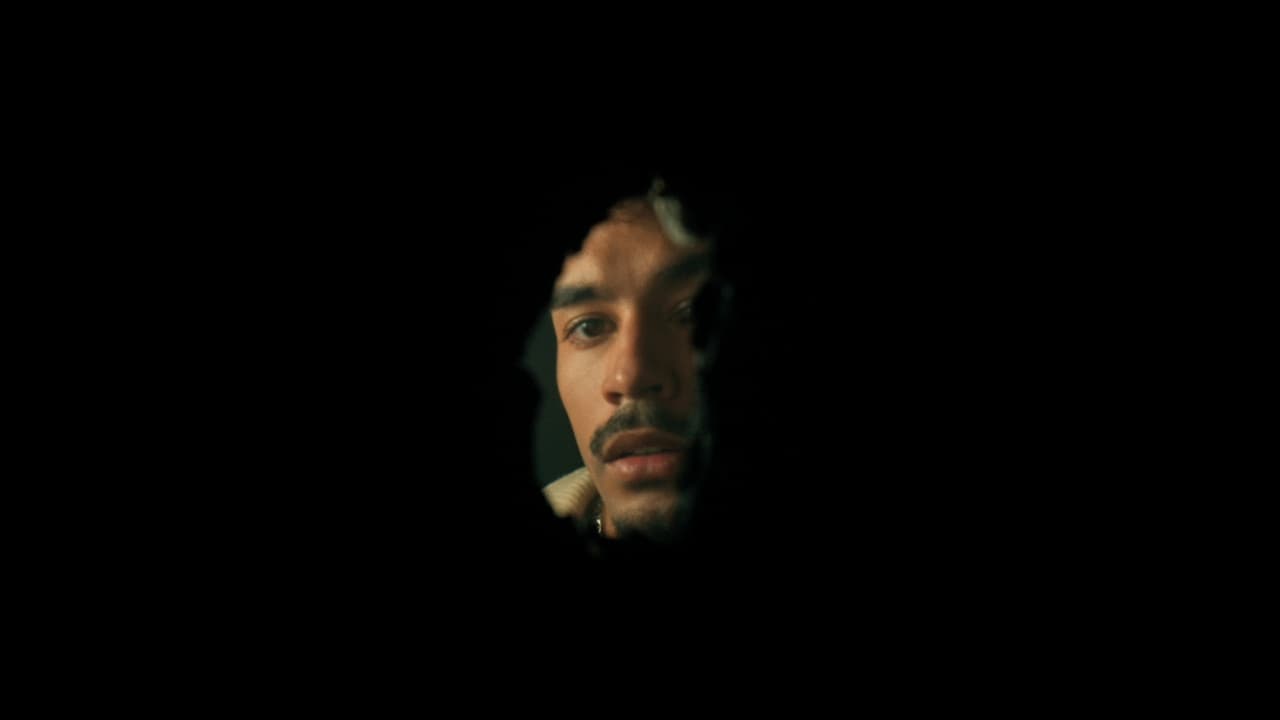
The Pleasure Dome opens on Ruan, an ordinary man moving through the noise and concrete of downtown São Paulo, when something catches his eye — a stranger, purposeful and magnetic, threading through the crowd. What follows in this 17-minute Brazilian short is less a conventional narrative than an oneiric drift: Ruan trails the man into a public bathroom and finds himself crossing a threshold into something stranger and more intimate than he could have anticipated. Director Valter Pereira, working under the Portuguese title A Cúpula dos Prazeres, constructs the film less around plot mechanics and more around sensation and atmosphere. The city itself — São Paulo's downtown, loud and indifferent — becomes a kind of pressure valve, and the bathroom its release point. It's a spare setup that trusts its audience completely.
How The Pleasure Dome came together — cast, production, and festival path
Valter Pereira directed The Pleasure Dome as a Portuguese-language production, and the film's ensemble includes Rodrigo Carvalho, David Parizotti, Eduardo Görck, Edu Rosa, and Gabi Flores. That's a relatively substantial cast for a short running under 20 minutes, and it signals something about the film's ambition — this isn't a two-hander shot on a weekend. Festival programming notes confirm that the film received its US premiere at Frameline, one of the longest-running LGBTQ+ film festivals in the world, which gives you an immediate sense of both its intended audience and its cultural positioning.
Frameline is not a festival that programs timidly. Its selection of The Pleasure Dome for a US premiere speaks to the film's thematic territory — desire, identity, the charged geography of semi-public spaces — rather than any mainstream commercial calculation. There's no wide box-office data to report here, which is standard for short-form festival work, and no MPAA rating has been widely documented in English-language databases. What we do know is that the film was produced in Brazil in 2026 and arrived on the international festival circuit with enough momentum to land a prestigious North American premiere slot.
For a short film with a runtime that barely clears a quarter-hour, the production footprint is notable. Shooting in downtown São Paulo — a city of staggering density and visual chaos — requires logistical muscle and a clear aesthetic vision. Pereira clearly had both. Movie OTT tracks festival-to-streaming pipelines for exactly this kind of title, and The Pleasure Dome fits the profile of a film that moves from curated festival slots to broader streaming availability without ever needing a theatrical run to justify itself.
What makes The Pleasure Dome stand out from other short-form festival dramas
Honestly, the thing that's hardest to articulate about The Pleasure Dome is also the thing that makes it worth your 17 minutes: it doesn't explain itself. Pereira's film operates in the register of dream logic — which is to say, cause and effect loosen their grip, and what replaces them is texture, feeling, the peculiar gravity of a stranger's back disappearing around a corner.
What's striking is how much the film achieves through geography. São Paulo's downtown is one of the most visually overwhelming urban environments on the planet, and Pereira uses that overwhelm deliberately — Ruan's decision to follow the stranger reads less as a conscious choice than as something the city itself seems to demand of him. The bathroom, by contrast, becomes almost sacred in its enclosure. That shift in spatial register — from the sprawling to the intimate — is where the film's emotional logic lives.
The performances anchor this without calling attention to themselves. Rodrigo Carvalho's work as the central figure carries the film's weight in glances and hesitations rather than dialogue. There's a moment — early in the bathroom sequence — where his expression holds two contradictory things at once, and you feel the film's entire argument in that single beat. The supporting cast, including David Parizotti and Eduardo Görck, fills the oneiric space around him with just enough presence to make the journey feel populated rather than solitary. Hard to say if the film will land for viewers who prefer their narratives more linear, but for those comfortable with cinema that asks you to feel before you understand, this one delivers.
Movieott.com has been covering Brazilian short-form cinema with increasing attention as the country's festival output grows, and The Pleasure Dome is among the more formally confident entries in that wave.
Where to stream The Pleasure Dome online right now
The Pleasure Dome is currently available on major OTT services, which means you don't need a festival badge or a specialty cinema subscription to access it. The Where-to-Watch widget at the top of this page lists every platform currently carrying the film, updated in real time — so if availability shifts, that's your most reliable reference point. Movie OTT aggregates streaming data across platforms so you can find exactly where a title like this lives without bouncing between apps. For a short film that clocks in at 17 minutes, the barrier to entry is genuinely low — this is a lunch-break watch, or a late-night one, depending on your mood.
Given the film's Frameline premiere and its festival positioning, it's the kind of title that tends to find its audience through word of mouth rather than algorithmic recommendation, which makes a platform like Movie OTT — which tracks niche and festival-circuit titles alongside mainstream releases — a genuinely useful tool for discovering it.
Frequently asked questions
Q: Where can I watch The Pleasure Dome online?
The Pleasure Dome is currently streaming on major OTT platforms. Check the Where-to-Watch widget at the top of this Movie OTT page for the most current and complete list of services carrying the film.
Q: Who directed The Pleasure Dome?
The Pleasure Dome was directed by Brazilian filmmaker Valter Pereira. The film's original Portuguese title is A Cúpula dos Prazeres, and it received its US premiere at the Frameline film festival.
Q: How long is The Pleasure Dome?
The film runs approximately 17 minutes, making it a short-form work rather than a feature. Despite the brief runtime, it carries a full dramatic arc and a distinctive visual style rooted in São Paulo's urban landscape.
Q: Who are the cast members in The Pleasure Dome?
The film features Rodrigo Carvalho, David Parizotti, Eduardo Görck, Edu Rosa, and Gabi Flores. The cast performs in Portuguese, and the film has been presented at international festivals including Frameline in the United States.
Q: Is The Pleasure Dome based on a true story?
There's no documented indication that The Pleasure Dome is based on specific real events. The film operates in a deliberately oneiric, dream-inflected mode that suggests its concerns are more emotional and symbolic than autobiographical — though Pereira hasn't ruled anything out in widely available interviews.
Who should watch The Pleasure Dome — a final take
The Pleasure Dome is not a film for viewers who need narrative handrails. It's built for people who trust cinema to work on them sideways — through atmosphere, performance, and the quiet strangeness of a city that barely notices one man's transformation. At 17 minutes, the ask is minimal. The return, if you're on its wavelength, is something closer to a fever dream than a short film. Fans of Brazilian cinema, LGBTQ+ festival programming, or formally adventurous short-form work will find it well worth their time. Find it now through the streaming links on this page at Movie OTT.