






The story of The Postman: hope in a shattered world
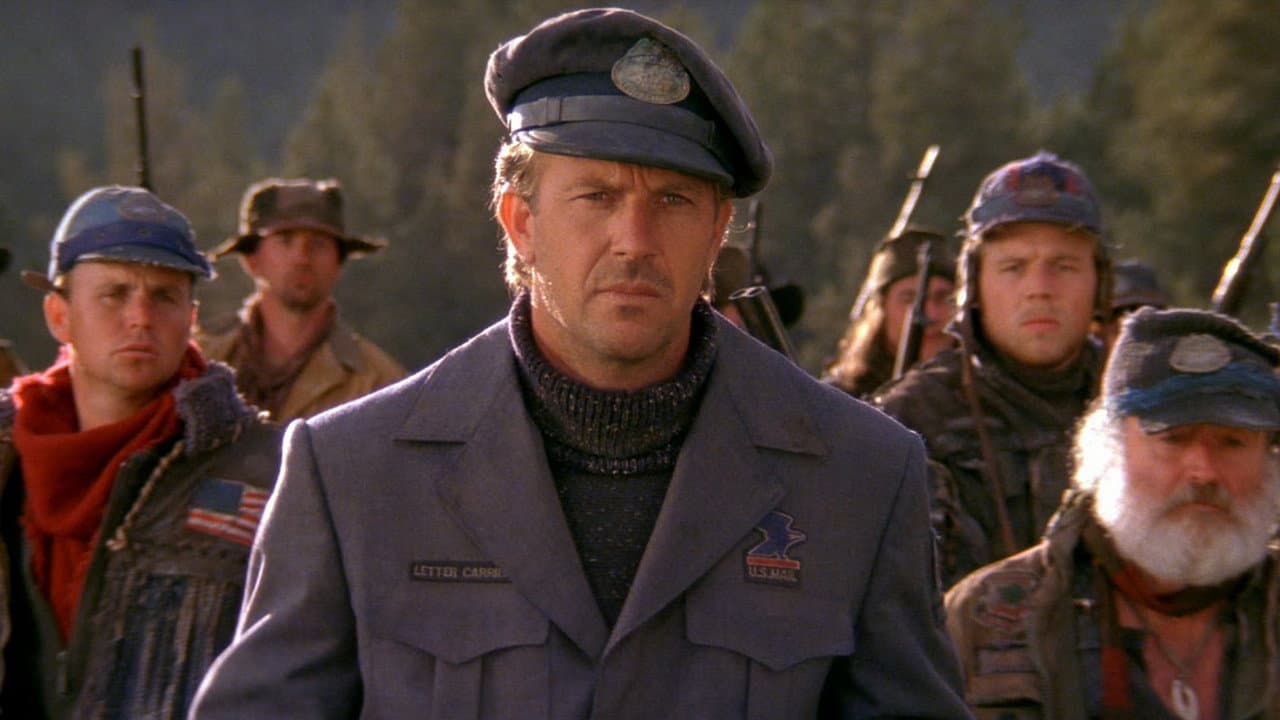
The year is 2013, and America as we know it has collapsed. No highways. No infrastructure. No dreams of tomorrow—only scattered survivors clinging to existence across a wasteland that was once the United States. Into this bleak landscape walks an unnamed drifter with a mule, a gift for reciting Shakespeare, and no particular plan beyond survival. When he stumbles upon a decaying postal service uniform, something unexpected happens: the symbol itself—that faded blue and eagle insignia—awakens something dormant in the people he meets. What begins as a con, a way to gain shelter and goodwill, evolves into something far larger. Communities begin to rally around the idea that the old world might be worth rebuilding. But not everyone welcomes this message of restoration. A ruthless warlord, threatened by the hope spreading through his territories, stands ready to crush the movement before it gains real power.
Behind the making of The Postman: Costner's ambitious vision
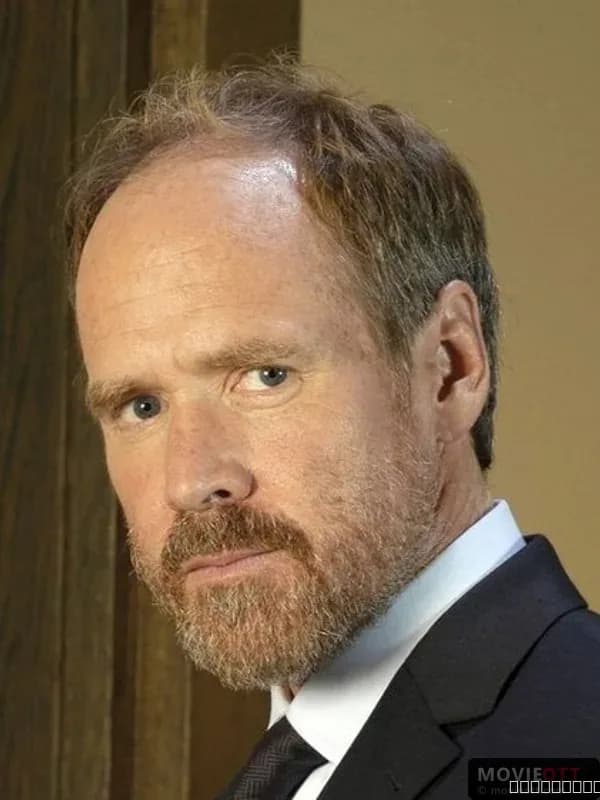
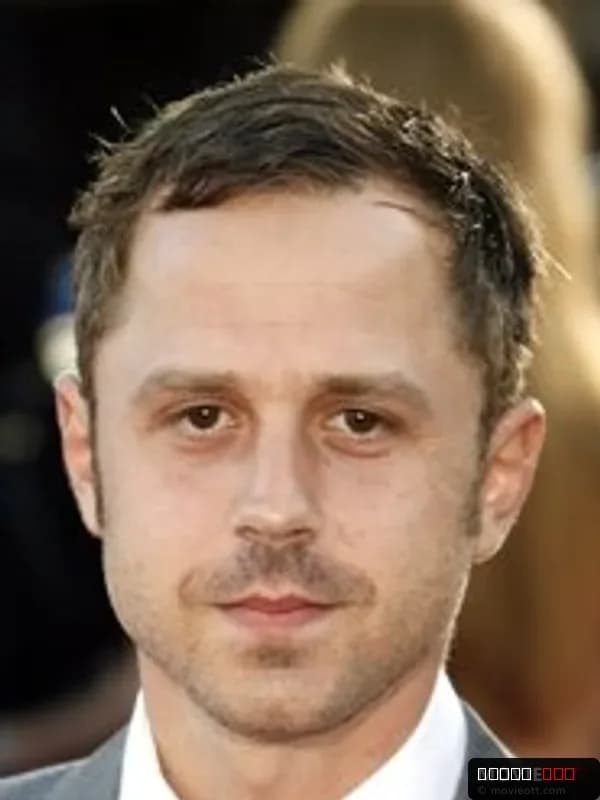
Kevin Costner didn't just star in The Postman—he produced and directed it as well, bringing David Brin's 1985 novel to the screen with a scope that matched his ambitions. The screenplay, adapted by Eric Roth and Brian Helgeland, had to condense Brin's exploration of community rebuilding and personal responsibility into a narrative that could sustain nearly three hours of runtime. That's no small task. The supporting cast included Will Patton, Larenz Tate, Olivia Williams, James Russo, and a memorable turn by musician Tom Petty, lending the film a mix of established and unconventional talent.
Warner Bros. Pictures backed the production under Tig Productions, signaling studio confidence in Costner's vision—though the film's reception would prove more divided than the studio likely hoped. The 178-minute runtime was unusual even for prestige cinema in 1997, and critics weren't shy about calling it overlong. Box office performance didn't match the scale of the production, and the film's mixed reviews made it an easy target for dismissal in the years that followed. Yet on Movie OTT, where you can track how films age across platforms, The Postman has found new audiences willing to sit with its deliberate pacing and earnest belief in human resilience.
What makes The Postman stand out: ambition and earnestness
Here's the thing about The Postman—it wears its heart on its sleeve in a way that's almost embarrassing for a 1997 blockbuster. This was the era of irony, of winking at sentiment, of treating sincerity like a liability. Costner's film doesn't do that. It commits fully to the idea that symbols matter, that stories matter, that a person can inspire change simply by believing in something bigger than themselves. Whether that lands for you depends entirely on your tolerance for unironic idealism delivered at epic length.
Costner's performance is deliberately understated—the drifter doesn't become a hero through physical prowess or clever scheming, but through his willingness to embody a myth that others need to believe in. The Shakespeare passages aren't window dressing; they're central to how the character operates, using the Bard's language about duty and honor to unlock something in his listeners. What's striking is how the film takes a con man's gambit and slowly transforms it into genuine conviction. By the film's midsection, you're not entirely sure where the performance ends and the belief begins—and neither is the character. That ambiguity is where the movie earns its weight. The dialogue can be clunky, sure, and the pacing won't work for everyone, but the emotional sincerity underneath rarely feels false.
Where to stream The Postman online
The Postman is currently available across major OTT services, and you can find the exact platform availability through the "Where to Watch" widget at the top of this page. Movie OTT tracks streaming availability in real time, so you'll know instantly where to catch it without hunting through multiple apps. Whether you're in the mood for a sprawling post-apocalyptic epic or you're curious to revisit Costner's ambitious swing at the genre, the platform listings here will point you to the right service. The film's length means you'll want to carve out a dedicated viewing window—it's not a background-watch kind of movie.
Frequently asked questions
Q: Is The Postman based on a book?
Yes. David Brin wrote the novel The Postman in 1985, and the 1997 film is an adaptation of that source material. The screenplay was written by Eric Roth and Brian Helgeland, condensing Brin's exploration of post-apocalyptic community rebuilding.
Q: Who directed The Postman?
Kevin Costner both directed and starred in the film. He also served as a producer through Tig Productions, making it a passion project that reflected his personal vision of the story.
Q: How long is The Postman?
The film runs 178 minutes—just under three hours. That runtime was controversial at release and remains one of the most-discussed aspects of the film. It's a commitment, but intentional.
Q: Why did The Postman get mixed reviews?
Critics found the earnestness difficult to embrace, the runtime excessive, and some dialogue overwrought. However, audience reactions have been more forgiving over time, with viewers appreciating its sincere belief in hope and community. It's a film that's grown on people—what felt overwrought in 1997 can feel refreshingly unironic now.
Q: What year is The Postman set in?
The film takes place in 2013, which was the "near future" when the film was made in 1997. That temporal setting grounds the story in a version of America that audiences could almost imagine as plausible.
Final thoughts on The Postman
I keep coming back to the fact that The Postman is deeply, stubbornly earnest in a way that most blockbusters wouldn't dare to be. It's a film about the power of symbols and stories to rebuild civilization, which is either profoundly moving or exhaustingly on-the-nose depending on your frame of mind. If you're willing to surrender to its vision—if you can sit with nearly three hours of post-apocalyptic neo-Western philosophy—there's something genuinely affecting here. It's not perfect, and it's certainly not for everyone. But it's undeniably sincere, and that sincerity, however flawed in execution, is rarer than we'd like to admit.