




Unveiling the Daring Tale of The Prince Who Was a Thief
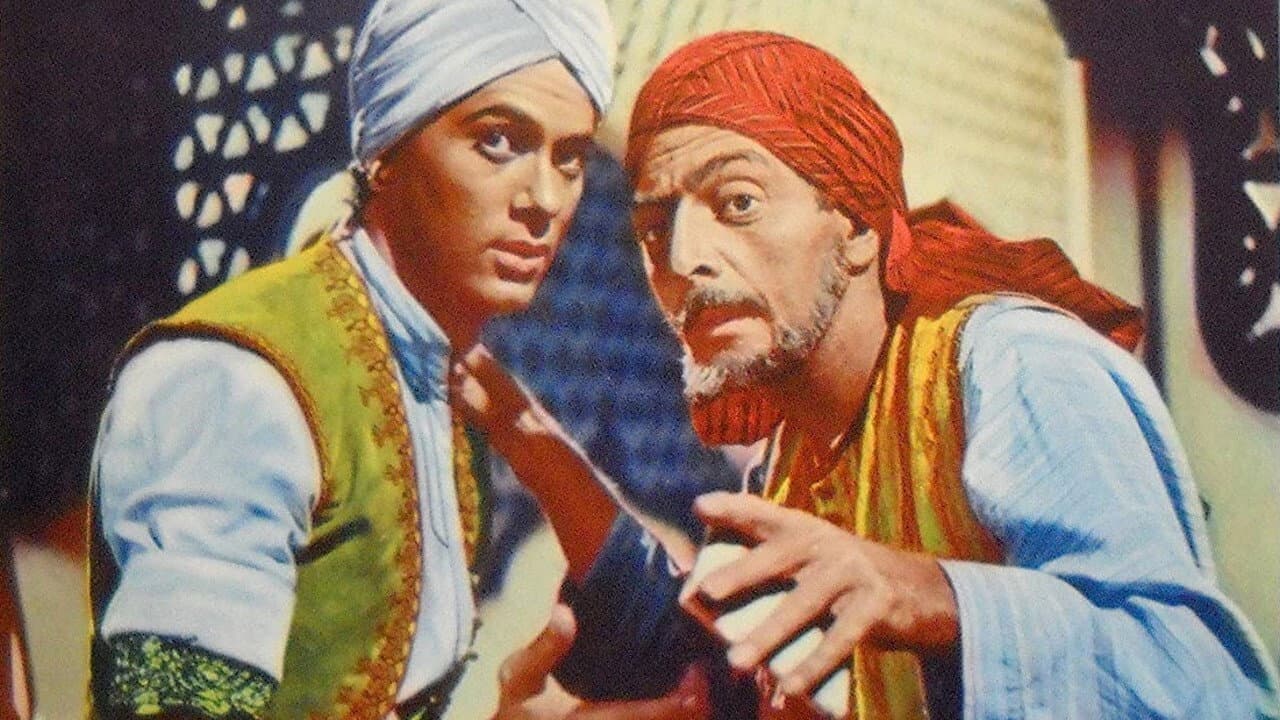
The 1951 Universal International Pictures production, The Prince Who Was a Thief, invites audiences into a world of exotic Arabian Nights adventure, where destiny is both stolen and reclaimed. This colorful costume drama centers on the compelling journey of a young Arabian prince. Kidnapped from his crib as an infant, he's cruelly separated from his royal birthright and raised in the gritty, cunning world of street thieves. His life is one of survival, wits, and daring escapades, far removed from the palace he was born to rule. Unaware of his true lineage for years, the narrative masterfully builds towards the inevitable clash with his tyrannical uncle, the usurper of his rightful throne. It’s a classic setup for a thrilling quest for justice and identity.
Behind the Technicolor Glamour of The Prince Who Was a Thief
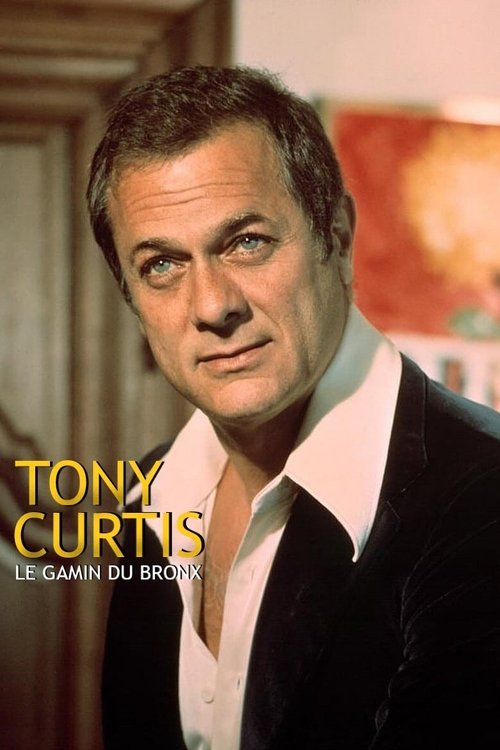
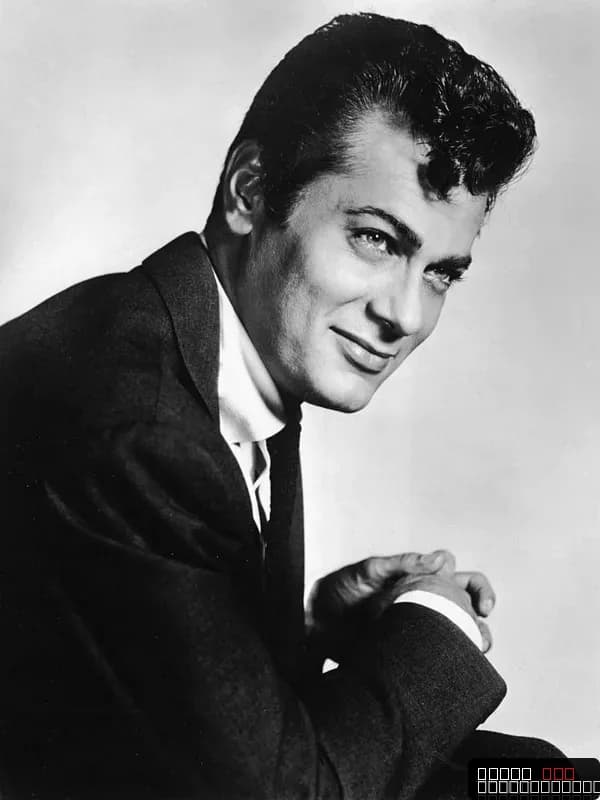
The Prince Who Was a Thief, released in 1951, stands as a vibrant example of Hollywood's love affair with Technicolor swashbucklers during the mid-20th century, a time when audiences flocked to cinemas for grand escapism. This Universal International Pictures production was helmed by Rudolph Maté, a director known for his versatile work across various genres, though perhaps most celebrated for his cinematography work before stepping fully into directing. What's truly striking about this film, however, isn't just its lush visuals or its "Exciting as an Arabian Night's Adventure!" tagline—it's the pivotal role it played in the burgeoning career of its leading man, Tony Curtis (a real turning point for him, you could say). This movie marked Curtis's first starring role, a significant leap from the smaller parts he'd been playing, showcasing the youthful charisma and athletic prowess that would soon make him a major star. His co-star, Piper Laurie, equally young and fresh-faced, brought a delightful vibrancy to her role, complementing Curtis's energetic portrayal. Critics at the time, while not universally effusive, recognized the film's entertainment value. Variety reported that "Curtis shows promise as a dashing hero," acknowledging his appeal even in this early outing. The film runs a brisk 89 minutes, ensuring the adventure never overstays its welcome, a testament to efficient storytelling. While it didn't garner major awards — many genre films of this type rarely did — its place in film history is cemented by its foundational role in Curtis's trajectory and its reflection of a particular era of studio filmmaking. With an IMDb rating of 5.7/10, it's certainly not considered a masterpiece, but its charm and historical significance aren't diminished by that number.
What Makes The Prince Who Was a Thief a Charming Retro Watch
Despite its modest IMDb rating, The Prince Who Was a Thief holds a particular charm for those who appreciate classic adventure films, offering more than just a simple good-versus-evil narrative. The film truly works because of its commitment to the genre's tropes, delivering exactly what audiences expected from a Technicolor spectacle: daring sword fights, exotic locales, and a dash of romance. Tony Curtis, in this early leading performance, brings an undeniable youthful exuberance to the role of the prince-turned-thief. You can almost see the star quality beginning to coalesce, his movements agile and his expressions conveying both roguish charm and a simmering sense of injustice. He's not just reciting lines; he's embodying a character caught between two worlds. Piper Laurie, as his love interest, provides a spirited counterpoint, her feisty independence adding depth to what could have been a stock damsel in distress. Their chemistry, though nascent, is palpable, adding a crucial romantic thread to the swashbuckling. Honestly, what I keep coming back to is the sheer visual pleasure of the film. The Technicolor cinematography, while perhaps oversaturated by modern standards, creates a vibrant, almost storybook aesthetic that perfectly suits the Arabian Nights theme. Think of the scene where the prince, still operating as a thief, deftly scales a palace wall under the moonlit sky — a simple moment, yes, but it perfectly encapsulates his agility and the precariousness of his existence. It’s a snapshot of pure, unadulterated adventure. The film doesn't attempt deep philosophical musings; instead, it focuses on delivering escapist entertainment with a clear sense of heroism and villainy, a straightforward tale of a rightful heir fighting to reclaim his destiny. No pretense. Just fun.
Where to Stream The Prince Who Was a Thief Online
For those eager to experience this classic 1951 swashbuckler, The Prince Who Was a Thief is currently available on major OTT services, making it accessible to a new generation of viewers. You won't have to dust off an old VHS player or scour obscure rental shops to find this piece of cinematic history. Thanks to the digital age, films like this are enjoying a resurgence, readily available at your fingertips. To find the most up-to-date streaming options, you'll want to check the "Where to Watch" widget displayed prominently at the top of this very page. That widget, powered by Movie OTT, provides a comprehensive, real-time list of every platform where The Prince Who Was a Thief is currently streaming, whether it's on subscription services like Netflix or Prime Video, or available for rent or purchase on other major digital storefronts. Movie OTT makes it simple to discover where your next adventure awaits, tracking availability across a multitude of platforms so you don't have to. It's truly a convenience for classic film enthusiasts.
Frequently asked questions
Q: Who stars in The Prince Who Was a Thief?
The 1951 adventure film The Prince Who Was a Thief features Tony Curtis in his first starring role as the titular prince, alongside Piper Laurie. The film helped launch both actors' careers.
Q: What is the plot of The Prince Who Was a Thief?
The film tells the story of an Arabian prince who is kidnapped at birth and raised as a common thief. He later discovers his true royal lineage and plots to reclaim his throne from his evil uncle.
Q: Who directed The Prince Who Was a Thief?
The Prince Who Was a Thief was directed by Rudolph Maté. Maté was a Polish-Hungarian cinematographer who transitioned to directing, known for his work on various Hollywood films.
Q: Is The Prince Who Was a Thief a Technicolor film?
Yes, the film is a vibrant Technicolor production. This allowed for the lush, rich colors that were characteristic of many adventure and costume dramas from Universal International Pictures during that era.
Rediscovering the Enchantment of The Prince Who Was a Thief
For anyone with a fondness for classic Hollywood, particularly the swashbuckling adventures of the 1950s, The Prince Who Was a Thief is a delightful watch. It's not a film that attempts to reinvent the wheel; rather, it fully embraces the conventions of its genre, delivering pure, unadulterated entertainment. You'll find a charming young Tony Curtis brimming with star power, vibrant Technicolor visuals, and a straightforward, engaging story of good triumphing over evil. It’s perfect for a nostalgic movie night or for introducing younger viewers to the magic of older cinema. Movie OTT recommends this film as a prime example of the era's escapism, a piece of history that remains genuinely enjoyable.