The story of The Public Enemy
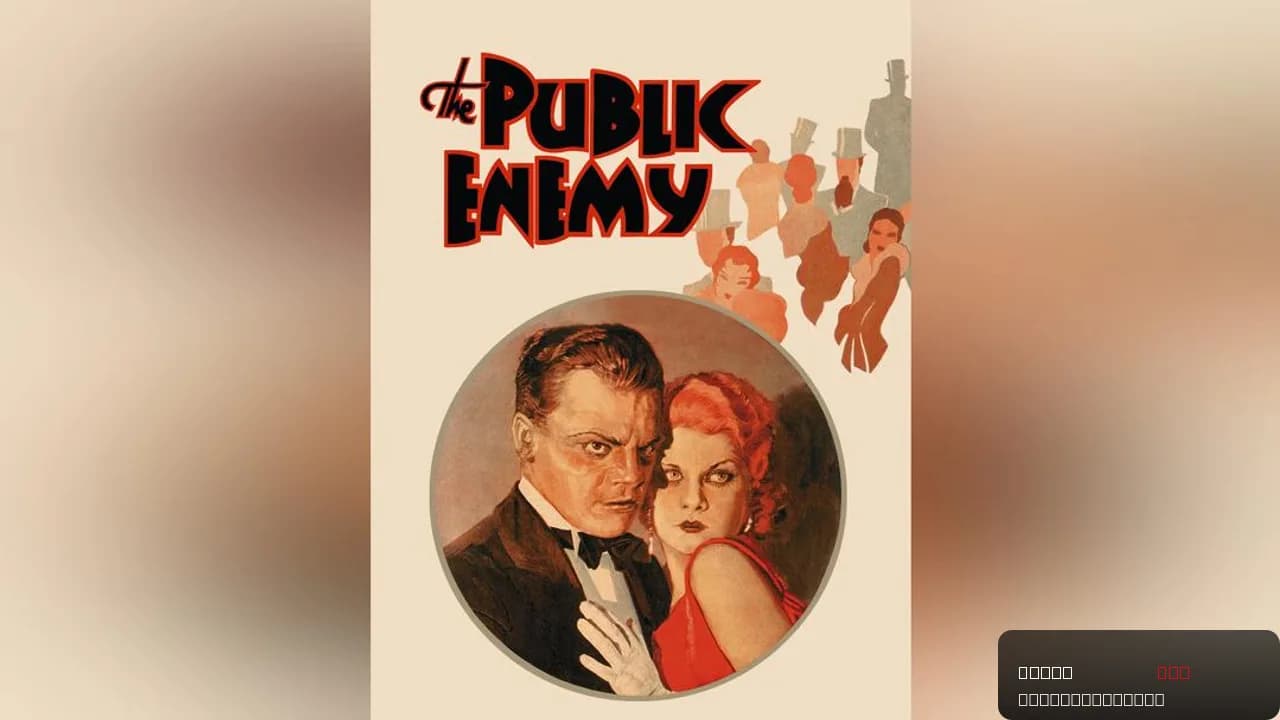
William A. Wellman's The Public Enemy follows Tom Powers, a young Irish-American street punk navigating the violent streets of Prohibition-era Chicago. What begins as petty theft and juvenile delinquency escalates into something far darker—a climb through the ranks of organized crime that promises wealth and respect but delivers only bloodshed and moral ruin. The film doesn't glorify this world; it traces the trajectory of a man corrupted by ambition, circumstance, and the seductive promise of easy money. Tom's journey from corner hustler to feared gangster forms the beating heart of this 84-minute narrative, one that refuses to look away from the consequences of his choices.
Behind the making of The Public Enemy
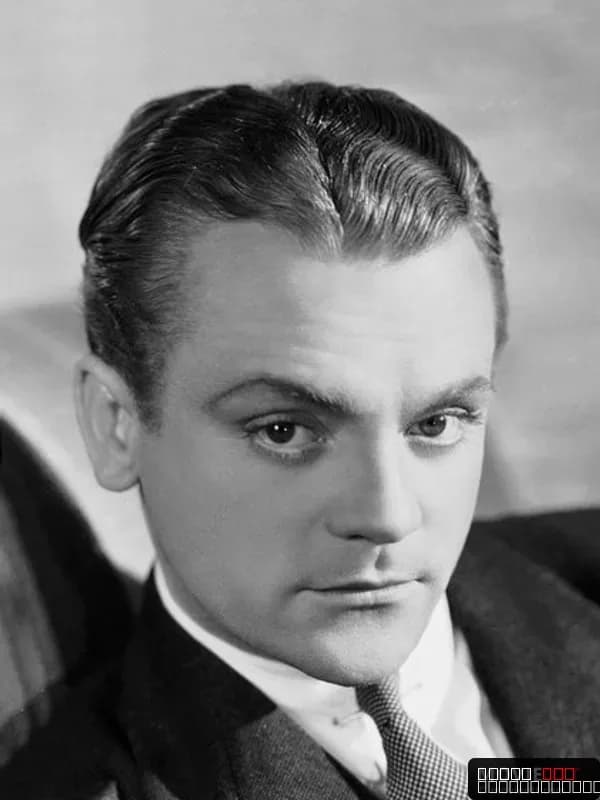
Warner Bros. produced and distributed The Public Enemy during the final years of the pre-Code era—that wild, uncensored period in Hollywood when filmmakers could show violence, crime, and moral ambiguity with almost no studio interference. Director William A. Wellman brought a documentary-like realism to the gangster genre, a stark contrast to the theatrical crime films that had come before. The casting of James Cagney proved transformative. Though Cagney had appeared in earlier films, The Public Enemy was the role that made him a superstar almost overnight. Working alongside him were Jean Harlow (in her breakout dramatic role), Edward Woods as his best friend Matt Doyle, Joan Blondell, and Donald Cook, each bringing authenticity to the underworld milieu. The film's box-office success was immediate and substantial—audiences flocked to see this unflinching look at organized crime—and the picture's cultural impact reverberated through Hollywood for years. What's striking is that the film arrived at precisely the moment when America was grappling with Prohibition's failures and the rise of actual gangster empires in its major cities. The timing wasn't accidental; it was prescient.
What makes The Public Enemy stand out
Cagney's performance is the film's greatest asset. He doesn't play Tom Powers as a one-dimensional villain; instead, he captures the character's charm, his capacity for violence, his twisted loyalty to his mother, and his fundamental emptiness all at once. Watch the famous scene where he smashes a grapefruit into Mae Clarke's face—it's shocking, brutal, and somehow perfectly encapsulates Tom's contempt for the people around him and his own lack of restraint. The brutality isn't gratuitous; it's characterization. What nobody mentions is how the film uses Tom's relationship with his mother (played by Beryl Mercer) as a kind of tragic counterpoint to his rise in crime. She loves him unconditionally, and he lies to her about his work, creating a gulf between them that can never be bridged. That's the real tragedy here—not just the violence, but the human connections destroyed by greed and ambition. The screenplay doesn't preach; it observes. Wellman's direction is lean and purposeful, never lingering on sentiment, always moving forward toward Tom's inevitable reckoning. For a film made in 1931, it moves with remarkable speed and psychological insight.
How to stream The Public Enemy online
The Public Enemy is widely available across multiple streaming platforms, making it easier than ever to experience this foundational crime drama. You'll find it on Max (the rebranded HBO Max), Prime Video, Apple TV Store, YouTube, Google Play Movies, and several other services—the "Where to Watch" widget at the top of this page will show you exactly where it's currently streaming in your region. Whether you're a subscriber to one of the major platforms or prefer to rent or purchase through services like Fandango At Home or Sky Store, you've got options. Movie OTT tracks these availability shifts constantly, so if your preferred platform doesn't have it today, check back soon. The film's enduring presence across so many services speaks to its historical importance and continued relevance.
Frequently asked questions
Q: Who directed The Public Enemy and when was it released?
William A. Wellman directed The Public Enemy, which premiered in 1931. It was produced and distributed by Warner Bros. Pictures during the pre-Code era, when Hollywood had far fewer restrictions on violent and criminal content.
Q: Is The Public Enemy based on a true story?
The film draws inspiration from real Prohibition-era gangsters and the actual underworld of 1920s Chicago, though it's not a direct biography of any single criminal. Wellman and his screenwriters created a composite character in Tom Powers that reflects the rise and fall patterns of real organized-crime figures from that period.
Q: What's the famous scene everyone talks about in The Public Enemy?
The grapefruit scene is the one that's stuck in cultural memory for nearly a century. Cagney's character smashes a grapefruit into Mae Clarke's face—a moment of sudden, shocking violence that defines Tom's character and remains genuinely unsettling to watch even today.
Q: Why is The Public Enemy considered pre-Code cinema?
The Public Enemy was made before the Motion Picture Production Code (the Hays Code) was strictly enforced in 1934. This meant the filmmakers could show graphic violence, moral ambiguity, and criminal activity without heavy censorship—freedoms that wouldn't exist again in Hollywood for decades.
Q: How did James Cagney's performance in The Public Enemy affect his career?
The role made Cagney a major star almost instantly. His raw energy, physical performance, and ability to make a criminal protagonist sympathetic (while never excusing his behavior) set the template for gangster films to come and kept him in demand for the rest of his career.
Final thoughts on The Public Enemy
If you're interested in understanding where the modern crime film comes from—the DNA of Scarface, The Godfather, Goodfellas—you have to start here. The Public Enemy isn't a perfect film by any measure, but it's an essential one, a work that refused to prettify its subject matter or deliver easy moral reassurance. Cagney's performance alone justifies watching it, but the film's lean storytelling, Wellman's unfussy direction, and its willingness to let tragedy speak for itself make it something worth revisiting. It's a masterclass in how cinema can capture the seduction and the ruin of a criminal life without flinching or sermonizing.