The Story of The Quiet Ones
The Quiet Ones opens in 1974 Oxford, England, where university professor Joseph Coupland (Jared Harris) has become obsessed with a radical theory: poltergeists aren't supernatural entities at all, but rather manifestations of the human psyche. When a troubled young woman named Jane Harper arrives at his remote estate—seemingly possessed by a malevolent doll—Coupland sees his chance to prove it. What follows is a psychological experiment that spirals far beyond academic curiosity. The film doesn't hand you easy answers about what's real and what's imagined, and that ambiguity is precisely what makes it unsettling. You're never quite sure if we're watching genuine supernatural horror or a descent into psychological manipulation and delusion.
Behind the Making of The Quiet Ones
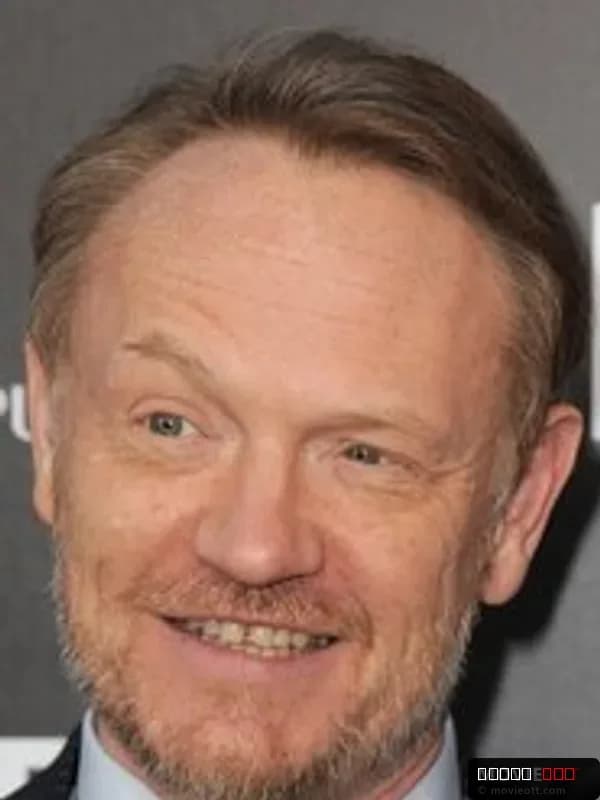
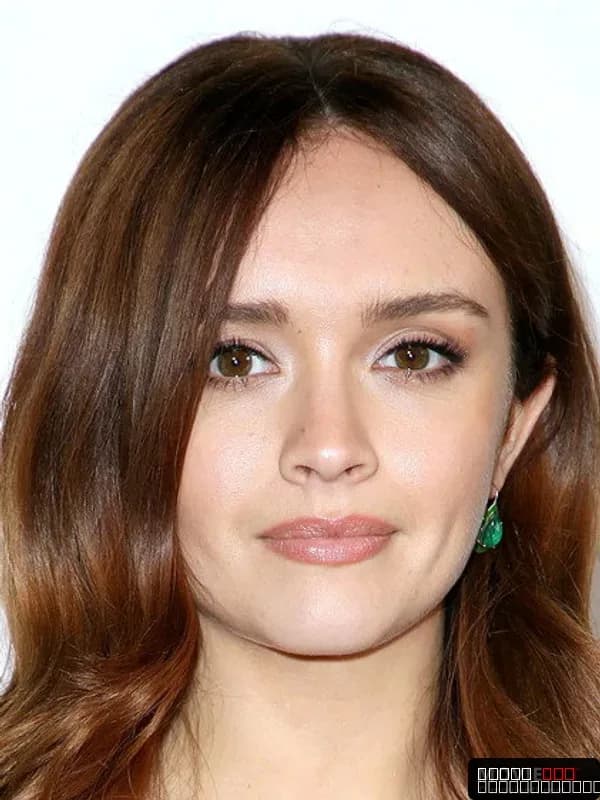
Director John Pogue brought The Quiet Ones to life as a British-American co-production in 2014, drawing loose inspiration from the Philip Experiment—a genuine parapsychology study conducted in Toronto in 1972 where researchers attempted to contact a fictional ghost. The film's 97-minute runtime keeps the tension wound tight without padding, and the PG-13 rating is somewhat surprising given the unsettling atmosphere Pogue manages to create. The ensemble cast is anchored by Jared Harris, best known for his work in Chernobyl and The Crown, who brings intellectual gravitas to Coupland's obsessive professor. Sam Claflin, Olivia Cooke, and Erin Richards round out the core cast, each delivering performances that ground the film's supernatural premise in emotional reality. At the box office, The Quiet Ones earned $8.5 million worldwide—modest by blockbuster standards, but respectable for a mid-budget horror film. The film received seven award nominations across various ceremonies, though it didn't capture major critical prizes. Its PG-13 rating allowed it to reach a broader audience than an R-rated competitor might have, though some horror purists argue that constraint actually works in its favor by forcing the filmmakers to rely on atmosphere rather than gore.
What Makes The Quiet Ones Stand Out
What's striking about The Quiet Ones is how it refuses to settle into pure supernatural horror or pure psychological thriller—it wants to be both, and that tension is where the real horror lives. Jared Harris's performance as Coupland walks a razor's edge between brilliant academic and dangerous zealot. The film suggests, without ever confirming, that Coupland might be as much a threat to Jane as any supernatural force could be. The 1970s setting isn't just window dressing; it gives the story a documentary feel, a sense that we're watching something that could have actually happened. That's the Philip Experiment connection at work—the film is asking us to consider whether the line between belief and reality is as solid as we'd like to think. Critics were divided. While Rotten Tomatoes rated it at 38% and Metacritic gave it a 41, suggesting mixed-to-negative reception, there's something in The Quiet Ones that lingers. It doesn't quite work as pure horror, and it doesn't quite work as pure psychological drama, but that failure is interesting. The film's IMDb score of 5.1 reflects an audience that found it uneven but not without merit. What Movie OTT readers often discover is that The Quiet Ones rewards a second viewing—once you know where it's heading, you notice how much of the ambiguity was baked in from the start.
Where to Stream The Quiet Ones Online
The Quiet Ones has found a home across multiple streaming platforms, making it accessible whether you prefer free ad-supported options or premium services. You can watch it on Amazon Prime Video (both with ads and free with ads), Plex, Tubi TV, and several other platforms listed in our Where to Watch widget at the top of this page. For purchase or rental, it's available on Apple TV Store, Google Play Movies, YouTube, and Rakuten TV, among others. If you're in the UK or Europe, Sky Store and other regional services carry it as well. Movie OTT tracks current streaming availability across all major platforms, so you can find the option that works best for you without hunting through multiple apps.
Frequently asked questions
Q: Is The Quiet Ones based on a true story?
It's loosely inspired by the Philip Experiment, a real 1972 parapsychology study conducted in Toronto where researchers attempted to contact a fictional ghost through séance-like sessions. The film takes that premise and reimagines it as a narrative about a professor trying to debunk supernatural claims, so while rooted in actual paranormal research history, the plot itself is fictional.
Q: Who directed The Quiet Ones?
John Pogue directed the film. He's known for his work in horror and thriller genres, and The Quiet Ones showcases his ability to build atmosphere and psychological tension, even within the constraints of a PG-13 rating.
Q: What's the runtime of The Quiet Ones?
The film runs 97 minutes, making it a fairly lean horror-thriller that doesn't overstay its welcome. That tight pacing helps maintain the psychological tension throughout.
Q: Is The Quiet Ones appropriate for teens?
It's rated PG-13, so it's designed for audiences 13 and up, though the psychological horror elements might be intense for younger viewers. There's no graphic violence or gore, but the atmosphere is genuinely unsettling.
Q: Where can I watch The Quiet Ones right now?
The film is available on multiple platforms including Amazon Prime Video, Plex, Tubi TV, and others. Check the Where to Watch widget at the top of this page for current availability in your region, as streaming rights vary by location.
Final Thoughts on The Quiet Ones
The Quiet Ones isn't a perfect film—critics were right to point out its uneven tone and narrative wobbles. But there's something genuinely unsettling about watching a professor's certainty crumble as the evidence refuses to cooperate with his worldview. It asks uncomfortable questions about the nature of belief, the reliability of perception, and whether science can really explain everything. If you're looking for jump scares and traditional horror beats, you might be disappointed. But if you appreciate horror that trusts its audience to sit with ambiguity and discomfort, it's worth your 97 minutes. That's the real quiet in the title—not silence, but the absence of easy answers.