







The Story of The Rapture and Its Spiritual Crisis
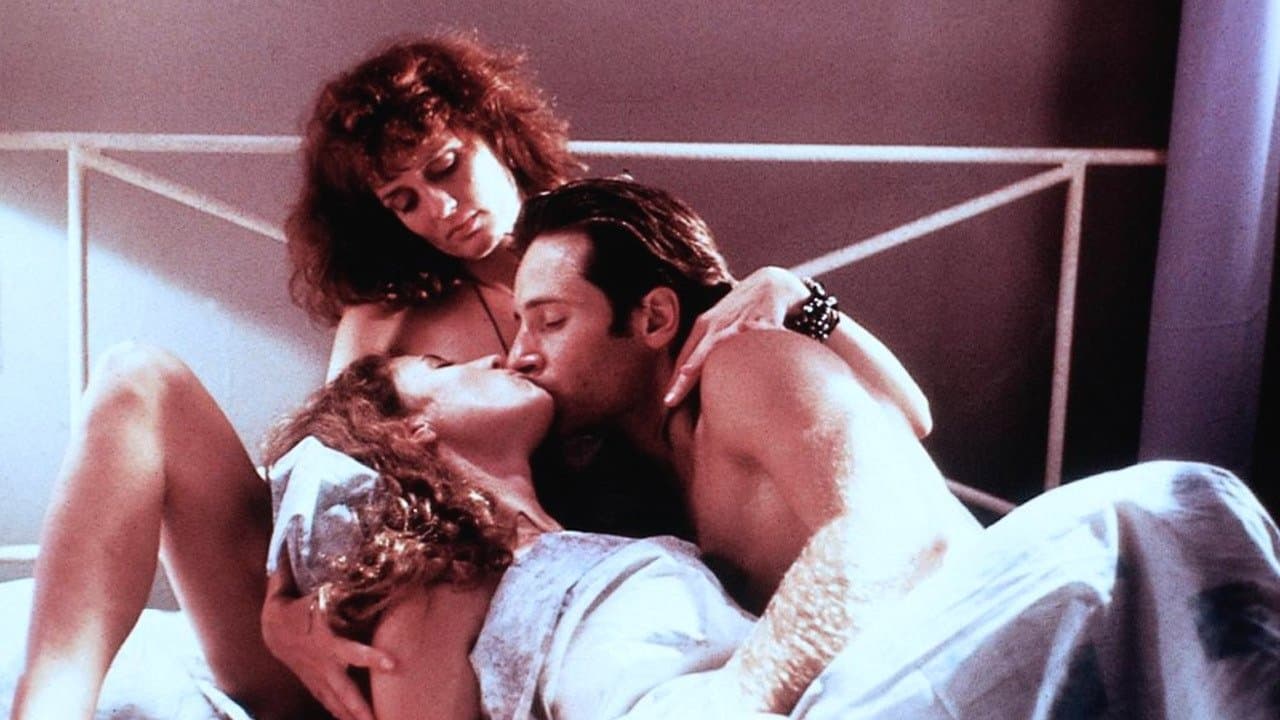
Michael Tolkin's The Rapture follows a woman living an empty, amoral life—working as a telephone operator, drifting through casual encounters—until she encounters faith. Not the gentle, affirming kind you see in most Hollywood redemption arcs. She converts to born-again Christianity with genuine fervor, trades her old life for scripture and community, and then faces something far worse than doubt: the possibility that everything she's learned about the End Times is literally coming true. The film doesn't coddle its protagonist or its audience. What starts as a story about spiritual awakening becomes something closer to a descent into apocalyptic terror, where belief itself becomes a trap.
Behind the Making of The Rapture: Production and Cast
The Rapture arrived in 1991 from Fine Line Features and New Line Cinema—a pairing that signaled serious independent ambition rather than mainstream comfort. Writer-director Michael Tolkin, working from his own script, cast Mimi Rogers in the lead role, and that choice proved crucial. Rogers was known at the time for television work and supporting roles, but here she carries the entire emotional and spiritual weight of the film. The 100-minute runtime never feels padded; Tolkin moves through his narrative with conviction, building from intimate character study into something approaching cosmic horror. The film earned a 5.7/10 on IMDb, a score that reflects its divisive nature—audiences couldn't agree whether Tolkin was making a sincere exploration of faith or a provocative attack on it. That ambiguity was entirely intentional. Movie OTT tracks dozens of titles across streaming platforms, but The Rapture remains one of the stranger, more uncompromising acquisitions in the indie-drama catalog, a film that refuses easy answers about what it means to believe.
What Makes The Rapture Stand Out Among Faith-Based Cinema
Here's what's striking about The Rapture: it doesn't pretend to be balanced. Most films that engage with Christianity either celebrate it or mock it from a safe distance. Tolkin does neither. He takes his protagonist's conversion seriously—we watch her find community, purpose, and genuine peace in her faith—and then he systematically destroys that peace by asking whether her beliefs might actually be correct. The performances that anchor The Rapture work because Rogers doesn't play the character as a victim or a cautionary tale. She plays her as someone making rational choices based on what she's been taught to believe, which makes the film's final act—when those beliefs collide with reality—genuinely disturbing. There's a scene late in the film involving her daughter and a theological argument that I won't spoil, but it's the kind of moment that stays with you. The thing nobody mentions is how much The Rapture resembles a horror film in structure and pacing, even though it's technically a drama. That tonal ambiguity is where the power lives. Critics have wrestled with the film for over three decades, unable to settle on whether it's brilliant or blasphemous—which might be exactly Tolkin's point. When you're dealing with questions of faith and the end of the world, comfortable consensus feels like a betrayal of the material.
Where to Stream The Rapture Online
The Rapture is available on major OTT services, and the "Where to Watch" widget at the top of this page will show you current availability across platforms in your region. Streaming rights shift regularly, so it's worth checking there first rather than hunting through multiple apps. Given how deliberately provocative and uncompromising this film is—it's not the kind of title that gets heavy promotional push on any platform—you might need to search for it specifically. Don't let that friction stop you. The fact that The Rapture remains available at all, thirty-plus years after release, speaks to its staying power among film enthusiasts and streaming curators who understand that cinema's job isn't always to comfort.
Frequently asked questions
Q: Who directed The Rapture?
Michael Tolkin wrote and directed The Rapture in 1991. It was his directorial debut, and the film remains one of his most distinctive and discussed works, even though he's gone on to write and produce extensively for television and film.
Q: Is The Rapture based on a true story?
No, The Rapture is an original screenplay by Michael Tolkin. However, it draws on real theological concepts—specifically the evangelical Christian belief in the Rapture—and explores how those beliefs might manifest in an individual life when taken to their logical extreme.
Q: What's the runtime of The Rapture?
The Rapture runs 100 minutes, a lean runtime that Tolkin uses efficiently to move from character establishment through spiritual awakening and into theological crisis without wasting a frame.
Q: Why is The Rapture rated the way it is on IMDb?
The film's 5.7/10 rating reflects how divisive it is. Some viewers found it a profound exploration of faith and doubt; others felt it was hostile to religion. That split opinion is partly why the film has endured—it provokes genuine disagreement rather than polite consensus.
Q: Who stars in The Rapture?
Mimi Rogers carries the film in the lead role as the woman who converts to Christianity. Her performance grounds the film's escalating spiritual and psychological crisis with quiet intensity.
Final Thoughts on The Rapture
If you're looking for a faith-based film that offers reassurance, The Rapture isn't it. What it offers instead is something rarer: a genuine artistic risk. Tolkin made a film that respects his audience enough to refuse easy answers, that takes theology seriously enough to treat it as genuinely dangerous. It's the kind of movie that lingers, that makes you want to argue about it afterward. That's worth your time.