The story of The Real Glory
The Real Glory opens in Fort Mysang, deep in the southern Philippine Islands, 1906. The American occupation of the Philippines is winding down, but a small garrison of U.S. Army officers and native troops remain—tasked with an impossible job. They're meant to train local police forces and hold the line against Alisang, a ruthless insurgent leader whose followers are bent on subjugating the civilian population through terror and religious fanaticism. What unfolds is a taut military drama where the outnumbered always seem to be outfought, until they aren't. The tagline says it all: "Always outnumbered, never outfought." It's a premise that taps into something enduring in American cinema—the lone garrison holding fast against overwhelming odds, though this particular story carries complications that later audiences would find harder to ignore.
Behind the making of The Real Glory
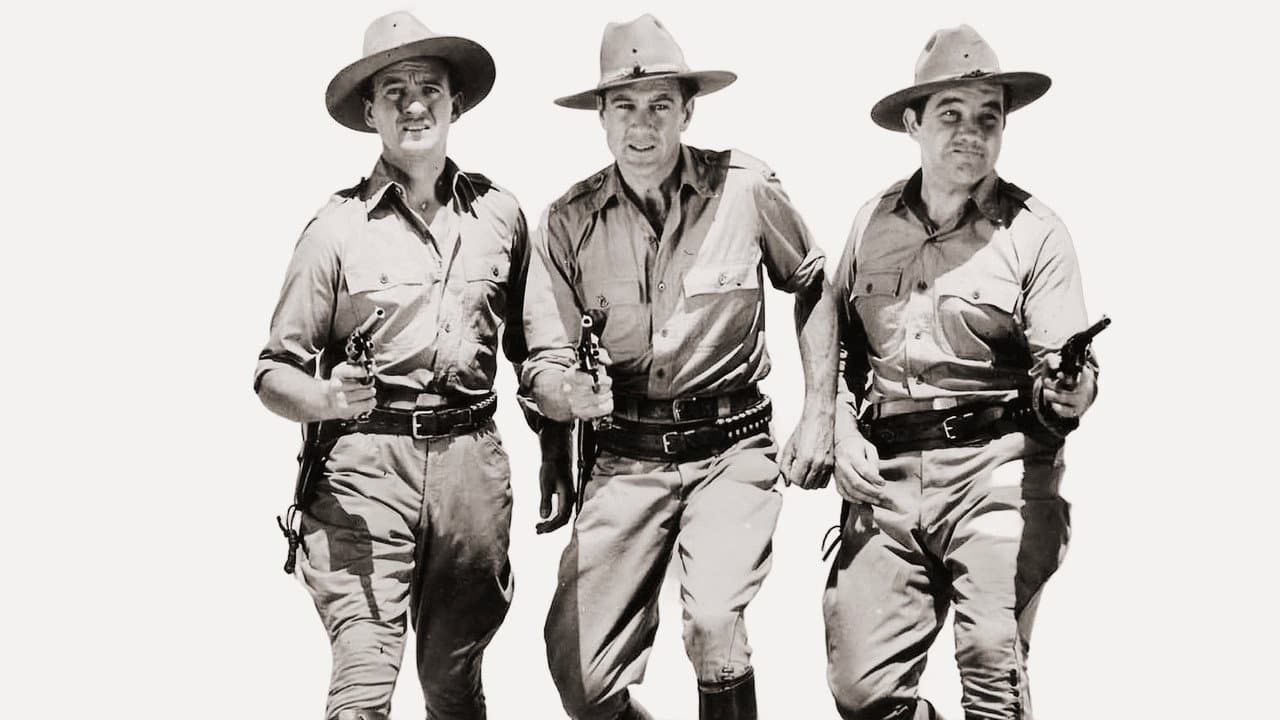
Produced by the legendary Samuel Goldwyn and released by United Artists in 1939, The Real Glory arrived at a moment of genuine historical tension. Nazi Germany had just invaded Poland weeks before the film's release, and Hollywood was still wrestling with its role as either isolationist or interventionist. The film was based on a 1937 novel by Charles L. Clifford and directed by Henry Hathaway, a craftsman known for action-driven narratives and strong ensemble work. The cast reads like a who's who of 1930s Hollywood: Gary Cooper in the lead as Dr. Canavan, alongside David Niven, Andrea Leeds, and Broderick Crawford. Cooper, already an established star with a gift for playing men of quiet competence under pressure, anchored the picture. The runtime clocks in at 97 minutes—lean by today's standards, but typical of the era's efficiency. What's striking is that the film performed well enough at the box office to justify its budget, though it never became a canonical war film in the way some of its contemporaries did. The U.S. War Department would later withdraw the film in 1942, after America had become allies with the Moros during World War II, citing inflammatory scenes that included threatening a Muslim prisoner with burial wrapped in a pig skin. That decision—the removal, the reasoning—tells you something about how the film's politics have calcified over time.
What makes The Real Glory stand out
There's something almost Kiplingesque about the whole enterprise, which isn't entirely a compliment. The film works best when it leans into the military procedural aspects—the training montages, the tactical decisions, the small moments where men under stress reveal character through action rather than dialogue. Cooper's performance has a restraint to it that feels earned; he's not playing a hero so much as a professional doing a difficult job, and that distinction matters. The supporting cast—Niven especially—brings texture to what could've been cardboard roles. What's harder to defend is the film's treatment of its Filipino characters and the broader colonial framework it takes as given. The Moros aren't portrayed as a people with legitimate grievances; they're obstacles to order, and the American presence is framed as civilizing rather than occupying. That's not a flaw in the filmmaking itself—Henry Hathaway's direction is competent and occasionally inspired—but it's a flaw in the story's moral imagination. Modern viewers watching on Movie OTT will likely find themselves torn between appreciating the craft and wincing at the assumptions. The thing nobody mentions is how watchable it remains despite those problems. The action sequences don't feel stale, and the ensemble dynamics create genuine tension. It's a film that rewards viewing with eyes open to both its strengths and its blind spots.
Where to stream The Real Glory online
The Real Glory is available on major OTT services, and if you're hunting for where to catch it, the Where to Watch widget at the top of this page will show you current availability across all platforms. Streaming catalogs shift constantly, so it's worth checking there first rather than hunting through multiple apps. Movie OTT tracks these changes in real time, so you'll know exactly where to find it without the guesswork. The film's availability has fluctuated over the years—sometimes it's easy to find, sometimes it vanishes into licensing limbo—so if you see it listed, that's your cue to watch sooner rather than later.
Frequently asked questions
Q: Who directed The Real Glory?
Henry Hathaway directed the film. He was known for action-driven narratives and brought his trademark efficiency to this 1939 production, keeping the pace tight across 97 minutes.
Q: Is The Real Glory based on a true story?
The film is based on a 1937 novel by Charles L. Clifford of the same name. While it's set during the real Moro Rebellion and American occupation of the Philippines, the specific characters and Fort Mysang are fictional dramatizations rather than direct historical accounts.
Q: What's the IMDb rating for The Real Glory?
The film holds a 6.295/10 rating on IMDb, reflecting mixed but generally favorable audience reception for a film of its era, though modern viewers tend to have more complex reactions to its colonial perspective.
Q: Why was The Real Glory withdrawn from release?
The U.S. War Department withdrew the film in 1942 because the Moros had become American allies during World War II, and the film contained inflammatory scenes—including one that threatened a Muslim prisoner with burial wrapped in pig skin—that were deemed diplomatically problematic.
Q: What genres does The Real Glory fall into?
The film is classified as both Drama and War, blending military action with character-driven storytelling and the moral complications of occupation and counterinsurgency.
Final thoughts on The Real Glory
The Real Glory isn't a perfect film, and it's not even a perfectly comfortable one to recommend. But it's worth watching—especially for anyone interested in how Hollywood processed imperialism and military conflict in the late 1930s. Gary Cooper's quiet professionalism, the taut direction, the ensemble work—these things endure. The film's political assumptions won't, and that's actually part of what makes it valuable now. It's a window into what American audiences were willing to accept, and even celebrate, about their country's role in the world. That's uncomfortable history, sure. But sometimes that's exactly what cinema should be.