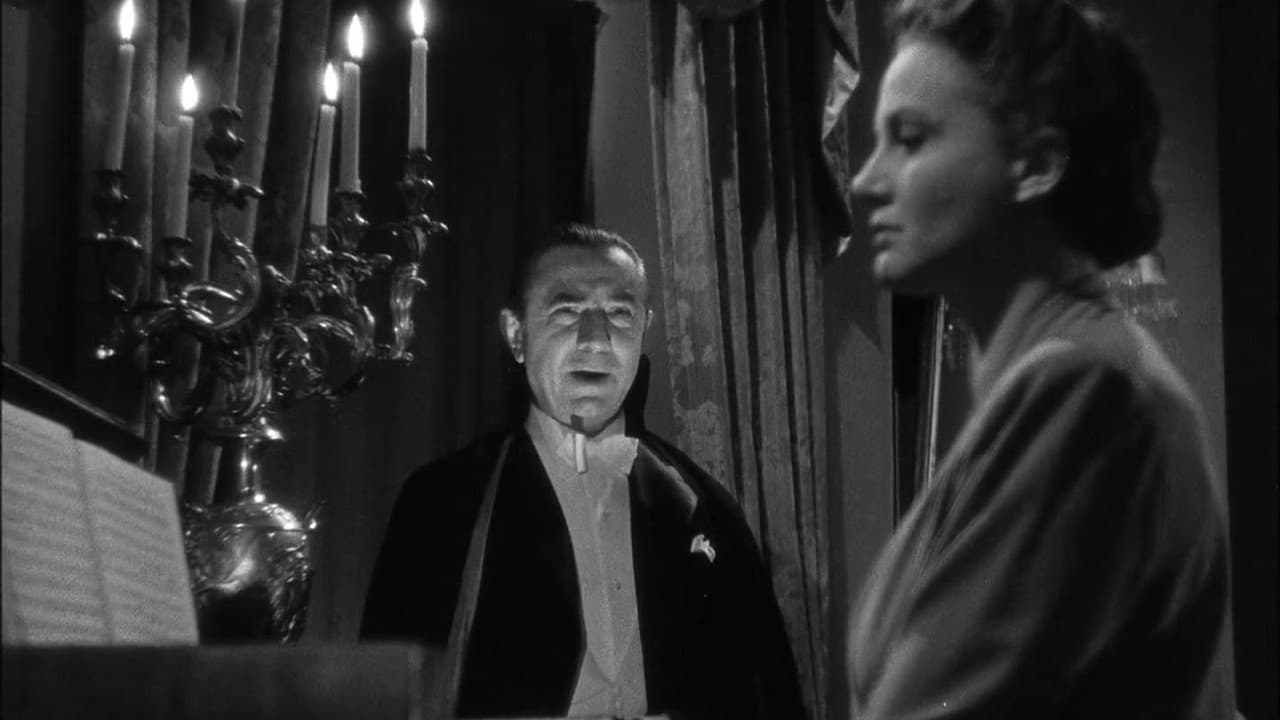
What The Return of the Vampire Is About
The Return of the Vampire opens in 1918, when an English family first encounters the supernatural terror that will haunt them across two decades. A vampire named Armand Tesla has been feeding on the innocents of their quiet corner of England, and the family discovers the only way to stop him — or so they believe. But that's where the film gets clever. The horror doesn't end with the creature's apparent defeat. When German bombs rain down on London during World War II, they don't just destroy buildings and lives; they inadvertently free Tesla from his prison, setting the stage for a revenge plot that'll make your skin crawl.
Behind the Making of The Return of the Vampire
Directed by Lew Landers and released by Columbia Pictures in 1943, The Return of the Vampire arrived at a moment when Hollywood was already mining the anxieties of wartime for dramatic gold. The film's 69-minute runtime is deceptively efficient — it wastes almost no time getting to the meat of its story. Bela Lugosi, who'd already become synonymous with vampire mythology through his iconic turn as Dracula in 1931, anchors the production with the kind of world-weary menace that only comes from playing the same character across decades of cinema. The supporting cast includes Frieda Inescort, Nina Foch, Miles Mander, and Roland Varno — solid character actors who bring real weight to the family's mounting dread. What's striking is how the film uses the machinery of World War II not as mere backdrop but as an actual plot device; the bombs don't just interrupt the story, they fundamentally restart it. This wasn't a guaranteed hit at the box office, but it found its audience among horror enthusiasts who appreciated the way Columbia balanced B-picture budgets with A-picture ambition. The film currently holds a 6.1 rating on IMDb, a respectable score for a 1943 horror entry that's now nearly eighty years old.
Why The Return of the Vampire Stands Out in 1940s Horror Cinema
Here's what makes this film work: it doesn't pretend to be high art, but it's constructed with surprising intelligence. Lugosi's Tesla isn't the aristocratic seducer of earlier vampire pictures — he's a creature of pure malevolence, and the actor plays him with a kind of exhausted cruelty, as if he's been doing this evil thing for so long that it's become routine. The film's middle section, where Tesla assumes the identity of a scientist escaped from a concentration camp, is genuinely unsettling in ways that go beyond the supernatural. There's something about watching a monster hide in plain sight during humanity's darkest hour that hits harder than any fanged jump-scare could. The cinematography is all deep shadows and stark lighting — nothing fancy, but it gets the job done. What nobody mentions about The Return of the Vampire is how it manages to be both a creature-feature and a wartime thriller, two genres that don't naturally sit together. Yet Landers pulls it off, letting the vampire mythology do the heavy lifting while the WWII setting provides real stakes that feel grounded. The film's pacing is relentless; it doesn't give you time to question the logic too hard, which is exactly what you want from a 69-minute horror picture. Frieda Inescort, in particular, brings a maternal fierceness to her role that makes the family's jeopardy feel genuinely personal rather than perfunctory.
Where to Stream The Return of the Vampire Online
The Return of the Vampire is available on major OTT services, and Movie OTT tracks its current streaming availability across platforms so you don't have to hunt it down manually. Since licensing agreements shift regularly, the widget at the top of this page shows you exactly which services have it right now — whether that's a classic-film focused platform, a general streaming service, or a specialty horror channel. The 69-minute runtime makes it perfect for a weeknight horror session, and the film's age means it's often available in higher quality on curated platforms that specialize in Golden Age cinema. Movie OTT keeps these listings updated in real time, so you'll know immediately if it's just been added to a new service or if it's about to rotate off.
Frequently asked questions
Q: Who directed The Return of the Vampire?
The film was directed by Lew Landers, a prolific Hollywood director who worked across multiple genres. Landers brought an efficient, no-nonsense style to the material that keeps the 69 minutes moving at a brisk pace.
Q: Is The Return of the Vampire a sequel to the original Dracula?
No, it's not a direct sequel. While Bela Lugosi stars as a vampire character, Armand Tesla is a distinct character from Dracula, though Lugosi's performance echoes his most famous role. The film stands on its own as a 1943 horror picture.
Q: What's the connection between the vampire and the wolfman in this film?
The vampire has a supernatural hold over a wolfman servant from his past. When Tesla is freed during WWII, he reclaims this creature's soul and uses it as part of his revenge plot against the family — it's a clever way to layer multiple monster-movie elements into one narrative.
Q: When does The Return of the Vampire take place?
The story spans from 1918 (World War I) to World War II, roughly twenty years later. This dual timeline is central to the plot, as the same family must face the creature twice across two generations.
Q: Why is this film considered important to horror history?
The Return of the Vampire arrived during Hollywood's golden age of horror and showed how classic monster mythology could be updated to reflect contemporary anxieties — in this case, the chaos and destruction of World War II. It's a bridge between 1930s Universal monster pictures and the more psychologically complex horror that would emerge in the 1950s.
Final Thoughts on The Return of the Vampire
If you're hunting for a solid, unpretentious horror film that doesn't overstay its welcome, The Return of the Vampire delivers exactly what it promises. It's Bela Lugosi doing what he did best — embodying supernatural menace with an economy of gesture. The wartime setting gives it thematic weight that most creature features lack, and the brisk runtime means there's no filler, no padding. It won't revolutionize your understanding of horror cinema, but it'll give you a satisfying evening of classic monster-movie thrills. That's not nothing.