




The story of The Richest Cat in the World
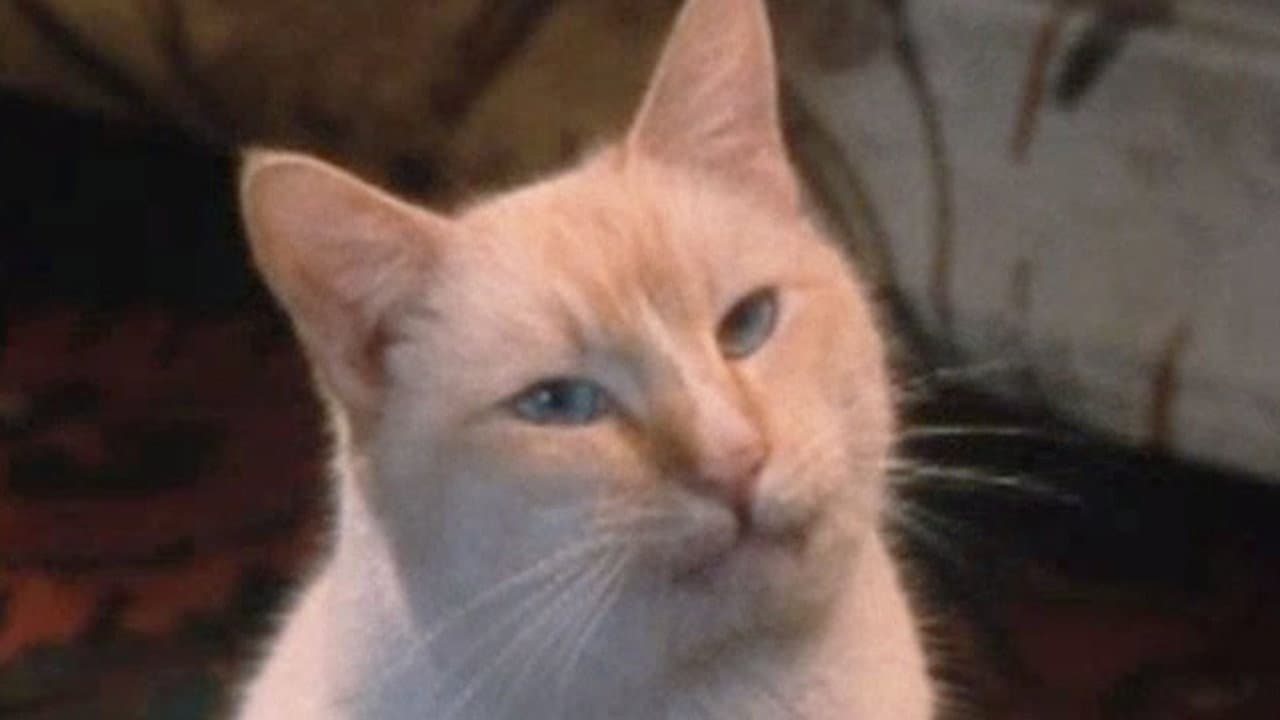
When a wealthy cat owner passes away, their beloved feline companion Leo inherits $5 million—a fortune that should've stayed quiet, but secrets have a way of getting out. Leo can talk, which would be remarkable enough on its own, but the real trouble starts when two of the owner's relatives, Bart and Veronica, discover his ability to speak. They're shocked, delighted, and suddenly aware that they're living with a millionaire who happens to purr. That's when things get complicated. A pair of bumbling but determined criminals known as the Rigsbys catch wind of Leo's inheritance and hatch a scheme to kidnap him, betting that controlling the cat means controlling the money. What unfolds is part heist caper, part family drama, and entirely earnest about what it means when sudden wealth enters a household.
The film, which premiered on March 9, 1986, as part of The Disney Sunday Movie presentation on ABC, sits at the intersection of adventure and heart that Disney made its name on during the 1980s. It's a premise that shouldn't work—a talking cat, a kidnapping plot, two kids learning about greed and loyalty all at once—but the movie commits fully to the absurdity while keeping the emotional core intact. Leo isn't just a gimmick; he's the moral center of the story, and the Rigsbys aren't villains so much as they're desperate people making bad choices. That tonal balance is harder to pull off than it sounds.
Behind the making of The Richest Cat in the World
The Richest Cat in the World was directed by Greg Beeman and produced under the Les Alexander Productions banner, a team that understood the mechanics of family entertainment. At 120 minutes, the film gives itself room to breathe—it's not rushing through plot beats or trying to cram everything into a tidy half-hour. That runtime was deliberate; there's genuine character work happening alongside the adventure. The production came together during a period when Disney was still experimenting with made-for-television movies as a way to reach audiences in their homes, a strategy that had proven successful with earlier TV-movie offerings.
What's striking about the production is that it doesn't feel cheap or rushed, even though it was made for television. The sets are lived-in, the locations feel real, and the animal acting—which is always a wildcard in film and television—actually holds up. The movie cost what it cost to make, and you can see that money on screen. The IMDb rating of 6.4 out of 10 suggests it's a film that's aged respectably; it's not a masterpiece, but it's not forgotten either. Movie OTT tracks where titles like this one end up in the streaming ecosystem, and The Richest Cat in the World has found its way to major OTT services, making it accessible to new generations of viewers who might stumble across it while browsing.
Cast pedigree matters in these kinds of family films, and while The Richest Cat in the World isn't stacked with A-list names, it's assembled with purpose. The actors playing Bart and Veronica needed to feel authentic as kids discovering something extraordinary, not precocious or overly theatrical. The voice work for Leo—because yes, someone had to voice a talking cat—had to carry both humor and genuine emotion. That's a narrow tightrope to walk, and the film manages it without winking too hard at the audience.
What makes The Richest Cat in the World stand out
Here's what nobody mentions about this movie: it's genuinely about something. On the surface, sure, it's a caper about criminals trying to steal a cat's inheritance. But underneath, it's exploring what happens when money enters a family dynamic that wasn't built around wealth. Bart and Veronica aren't spoiled brats; they're normal kids who suddenly realize they know someone with serious financial resources. The film doesn't shy away from the moral complexity that creates—how do you stay grounded when you've met a millionaire cat? How do you not let greed creep in?
The Rigsbys function as a kind of dark mirror. They're not sophisticated criminals; they're people who saw an opportunity and decided to take it, consequences be damned. What's interesting is that the film treats them with something approaching sympathy. They're bumbling, yes, but they're also desperate—and that desperation makes them more threatening, not less. I keep coming back to the scene where they're planning the kidnapping and realizing they're in way over their heads; it's played for laughs, but there's a real edge underneath. That tonal sophistication—balancing humor with genuine stakes—is what separates The Richest Cat in the World from a dozen other 1980s TV movies that didn't know what they wanted to be.
The film also works because it doesn't condescend to its audience. Kids watching it aren't being talked down to; they're being invited into a world where a cat can talk and that's just accepted as the rule of the universe. Adults watching alongside them will catch the satirical edge in how the film treats wealth and family obligation. The writing manages to be accessible without being simplistic, entertaining without being cynical. It's the kind of movie that plays differently depending on your age, which is the hallmark of enduring family entertainment.
How to watch The Richest Cat in the World online
The Richest Cat in the World is currently available on major OTT services, which means you've got options depending on your existing subscriptions. Rather than hunting through multiple platforms, Movie OTT aggregates current streaming availability in one place, saving you the frustration of searching. You can check the "Where to Watch" widget at the top of this page to see exactly which services have it right now—availability shifts between platforms, so that widget is your real-time source of truth.
If you're planning a family movie night and want something that'll appeal to both kids and adults, this is worth queuing up. The 120-minute runtime means it fits a solid evening slot without demanding an all-nighter. Streaming has made it easier than ever to discover films like this one that might've otherwise stayed buried in TV archives.
Frequently asked questions
Q: Is The Richest Cat in the World based on a true story?
No, it's an original fictional story created for Disney's television movie lineup. The premise of a talking cat inheriting millions is entirely imagined, though the themes about greed and family values are universal.
Q: Who directed The Richest Cat in the World?
Greg Beeman directed the film, with production by Les Alexander Productions. It aired as part of The Disney Sunday Movie presentation on ABC on March 9, 1986.
Q: How long is The Richest Cat in the World?
The film runs 120 minutes, giving it enough time to develop both plot and character without feeling bloated or rushed.
Q: What genres does The Richest Cat in the World fall into?
It's classified as Western, Adventure, Drama, and Family—a mix that reflects its blend of crime-caper plotting, genuine emotional stakes, and family-friendly sensibility.
Q: Where can I watch The Richest Cat in the World?
It's currently available on major OTT services. Check the Where to Watch widget at the top of this page for real-time platform availability in your region.
Final thoughts on The Richest Cat in the World
The Richest Cat in the World is the kind of film that deserves a second look. It's not trying to be something it's not—it's a solid 1980s family adventure that respects its audience and commits to its premise. The talking cat gimmick could've been a one-joke wonder, but instead it becomes a vehicle for exploring real questions about loyalty, greed, and what family actually means. If you've got kids or you're feeling nostalgic for the era when Disney made these kinds of TV movies, it's worth your time. Don't expect perfection, but do expect something genuinely entertaining and surprisingly thoughtful.