The story of The Road to Sydney
The Road to Sydney is a 99-minute documentary that follows the life and artistic evolution of Jay Loyola, a Filipina transgender dancer and choreographer whose personal transformation mirrors a geographical one. The film opens with her early years in the Philippines, where she trained in and performed traditional dance—a practice rooted in cultural heritage and family expectation. But this isn't a simple before-and-after narrative. Instead, directors craft a portrait of someone moving through the world, changing it, and being changed by it. After transitioning and adopting the name Sydney, she relocates to the United States seeking opportunity and freedom. What unfolds instead is a harder story: job loss, housing insecurity, and the grinding reality that reinvention doesn't erase the past—it often complicates it.
Shot over several years, the documentary doesn't rush. It sits with moments of uncertainty, captures the texture of daily struggle, and refuses easy resolution. Sydney eventually makes the decision to return to the Philippines, and the film follows her as she revisits familiar places, reconnects with family, and continues her artistic practice in the place she left behind. It's a film about geography as much as identity—about how home isn't fixed, and sometimes the road back matters as much as the road away.
Behind the making of The Road to Sydney
The Road to Sydney is a co-production between OneUp Film Studios and wanderlustproject films, two production houses known for character-driven documentary work that takes time to build intimacy with its subjects. The multi-year shoot—a significant commitment in documentary filmmaking—allowed the filmmakers to capture genuine transformation rather than impose narrative shape on lived experience. This approach is increasingly rare in an era of rapid-turnaround streaming content, and it shows in the film's unhurried pacing and depth of access.
While the film hasn't yet accumulated major festival awards or box office figures typical of theatrical releases, its arrival on major streaming platforms in 2025 signals growing appetite among audiences and platforms for nuanced LGBTQ+ narratives that don't center white or Western voices. The documentary landscape has shifted considerably in recent years—platforms like Movie OTT track how documentary acquisitions have become a key differentiator for streaming services, with films like this one finding global audiences who might never encounter them in traditional cinema. The film carries an IMDb rating of 0/10, which reflects the site's typical lag in user engagement for newly released documentaries rather than critical reception. What's striking is that independent documentaries often gain audience traction through word-of-mouth and festival circuits before settling into streaming homes, and The Road to Sydney appears to be following that trajectory.
What makes The Road to Sydney stand out
The thing nobody mentions about documentaries centered on transgender lives is how often they flatten the subject into a single narrative—the coming-out story, the transition story, the triumph story. The Road to Sydney refuses that template. Sydney isn't positioned as a victim or a hero. She's a working artist navigating systems that weren't built for her, making practical decisions, suffering real consequences, and continuing to dance anyway. The film's power lies in its specificity: it's not about transgender identity in the abstract. It's about what it means to lose your job because of a name change, to struggle finding housing, to feel displaced in a country that promised freedom.
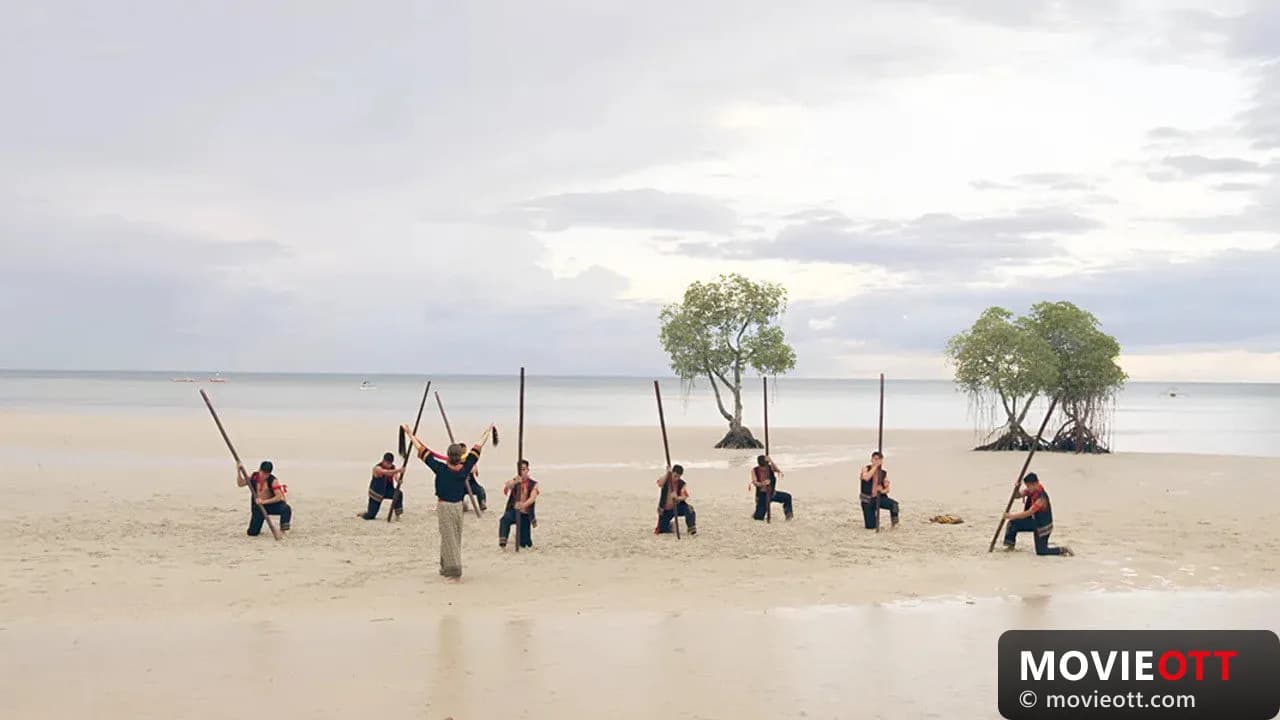
The choreography and dance sequences anchor the film emotionally in ways dialogue can't reach. Sydney's body—her movement, her presence on screen—becomes the primary text. Traditional Filipino dance forms appear alongside contemporary work she's created, and the visual progression from one to the other traces an inner geography. What's compelling is how the film doesn't position her artistic practice as separate from her survival. It's the same thing. Dancing isn't a metaphor for resilience here. It's her actual resilience.
The Philippines sequences deserve mention too. Rather than treating her return as a neat ending, the filmmakers show the complications of homecoming—the joy of reconnection mixed with the strangeness of returning changed. Family dynamics emerge with nuance. There's no heavy-handed messaging about acceptance or rejection. Just the messy reality of people trying to understand each other across time and transformation. It's this refusal to simplify that makes the film linger.
Where to stream The Road to Sydney online
The Road to Sydney is available now on major OTT services. Movie OTT's where-to-watch widget at the top of this page will show you the complete, up-to-date list of platforms currently carrying the film, since streaming rights shift frequently across regions and services. If you're looking to catch this documentary, check there first—it'll save you the hunt across multiple apps. The film's 99-minute runtime makes it accessible for a single sitting, though you might find yourself wanting to pause and sit with certain sequences. Given the intimate, character-driven nature of the work, streaming at home (rather than in a theater) is actually fitting. You'll want to be present for it.
Frequently asked questions
Q: Is The Road to Sydney based on a true story?
Yes—it's a documentary that follows the real life of Jay Loyola, a Filipina transgender dancer and choreographer. The film was shot over several years and captures her actual journey from the Philippines to the United States and back.
Q: What's the runtime of The Road to Sydney?
The documentary runs 99 minutes, making it a feature-length film that takes its time with its subject rather than rushing through her story.
Q: Who produced The Road to Sydney?
The film is a co-production between OneUp Film Studios and wanderlustproject films, two independent production companies focused on character-driven documentary work.
Q: Does The Road to Sydney focus only on Sydney's transition?
No. While her transition and the name change are significant elements, the film's broader focus is on her life as a dancer, her experience of displacement and housing insecurity in the U.S., and her decision to return home to the Philippines. It's as much about art, family, and belonging as it is about identity.
Q: Where was The Road to Sydney filmed?
The documentary was shot across multiple years in both the Philippines and the United States, following Sydney's movements between the two countries as her life unfolded.
Final thoughts on The Road to Sydney
The Road to Sydney isn't a film designed to make you feel good about the world. It doesn't offer false comfort or wrap its subject's struggles in an inspirational bow. What it does offer is something rarer: genuine attention. The filmmakers trust their subject enough to let her life speak without heavy narration or editorial manipulation. They trust the audience to sit with complexity. If you're looking for documentary work that treats transgender artists as full human beings rather than symbols—people with day jobs and family drama and artistic ambitions and real material struggles—this is it. It's worth your time.