


The story of The Sabarmati Report
The Sabarmati Report centers on a Hindi-language journalist who finds himself caught between professional integrity and personal survival when a train full of Karsewaks—Hindu pilgrims—is set ablaze on the Sabarmati Express. The incident, based on the real Godhra train burning of February 27, 2002, becomes the catalyst for a story that unfolds across years and moral gray zones. What begins as a reporter's struggle to handle a deadly fact evolves into something far more complex: a years-later plea to help expose a report that's been deliberately buried, hidden from public view. The film doesn't shy away from the weight of such a narrative—it's a story about what happens when truth becomes dangerous, and when speaking it aloud carries real consequences.
Behind the making of The Sabarmati Report
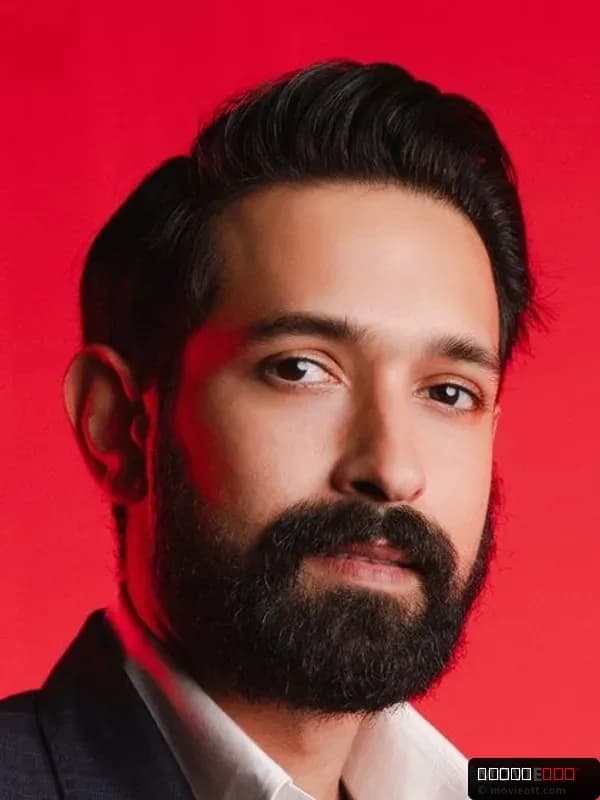
Produced jointly by Balaji Motion Pictures and Vikir Films, The Sabarmati Report arrived in 2024 with significant creative ambition. The project went through a directorial transition—Ranjan Chandel was initially attached, but Dheeraj Sarna ultimately helmed the final film. The screenplay came from Avinash and Arjun, working from a story by Aseem Arrora, and Zee Studios handled distribution, giving the film access to wide theatrical and streaming reach. The cast includes Vikrant Massey in the lead role—an actor who's built credibility in both indie and mainstream Hindi cinema—alongside Raashii Khanna and Riddhi Dogra. Massey's presence alone signals that this wasn't a quick-turnaround exploitation piece; he's known for choosing material with narrative weight, even when commercial returns are uncertain. At 123 minutes, the film takes its time, which on Movie OTT and other platforms means viewers can settle in for something that refuses to rush its argument. The IMDb rating of 5.667/10 suggests the film landed differently with different audiences—a common pattern for politically sensitive Indian cinema that doesn't neatly satisfy either side of a debate.
What makes The Sabarmati Report stand out
What's striking about The Sabarmati Report is how it positions the journalist as the moral center rather than the Godhra incident itself. This is a film about the burden of knowledge—what you do when you know something the world needs to know but doesn't want to hear. Massey carries that tension throughout; you can see it in scenes where he's simply sitting with the weight of the story, deciding whether to speak. The film doesn't pretend there's a clean resolution waiting at the end. Instead, it builds toward a reckoning that's more about complicity and courage than about neat justice. Raashii Khanna and Riddhi Dogra anchor supporting roles that matter—they're not decorative, and the performances suggest these characters have their own stakes in what gets revealed. The thriller elements work best when the film leans into the paranoia and danger of digging into a story that powerful people want to stay buried. There's a scene (no spoilers) where the journalist realizes he's being watched, and the filmmaking suddenly tightens—the pacing shifts, the framing becomes claustrophobic. That's when The Sabarmati Report finds its rhythm. Critics and audiences on Movie OTT's tracking data have noted that the film works hardest when it's about the personal cost of truth-telling rather than when it tries to litigate the historical facts themselves.
Where to stream The Sabarmati Report online
The Sabarmati Report is currently available on major OTT services, and the streaming availability widget at the top of this page will show you exactly where you can watch it right now—availability changes frequently, so check there first. The film's 123-minute runtime is well-suited to streaming; it doesn't feel bloated on a smaller screen the way some theatrical dramas do. Whether you're watching on a tablet, laptop, or TV, the intimate character work that defines the best moments will still land. Movie OTT keeps current streaming data updated across all platforms, so you won't waste time searching multiple services wondering if it's there.
Frequently asked questions
Q: Is The Sabarmati Report based on a true story?
Yes. The film is based on the Godhra train burning incident of February 27, 2002, in which the Sabarmati Express was set ablaze, killing 59 people. However, the film frames this historical event through a fictional journalist character and a narrative about uncovering a buried report, so it's a dramatized take on real events rather than a documentary retelling.
Q: Who directed The Sabarmati Report?
Dheeraj Sarna directed the final film. The project initially had Ranjan Chandel attached as director, but Sarna took over and completed the picture. The screenplay was written by Avinash and Arjun, based on a story by Aseem Arrora.
Q: Who stars in The Sabarmati Report?
Vikrant Massey leads the cast as the journalist at the center of the story, with Raashii Khanna and Riddhi Dogra in supporting roles. Massey has become known for choosing character-driven dramas, and his presence signals the film's ambitions beyond genre thrills.
Q: How long is The Sabarmati Report?
The film runs 123 minutes, which gives it room to build its narrative slowly and let tension accumulate rather than rushing toward a climax. That pacing is typical of Indian political thrillers that prioritize character and moral complexity.
Q: What's the IMDb rating for The Sabarmati Report?
The film holds a 5.667/10 rating on IMDb, reflecting divided audience responses—a common pattern for films that tackle controversial historical events and don't offer easy answers or universal satisfaction.
Final thoughts on The Sabarmati Report
The Sabarmati Report isn't a feel-good story, and it doesn't pretend to be. It's a film about the cost of speaking truth in a world where powerful people profit from silence. If you're drawn to political dramas that don't flinch from complexity, or if you want to understand how Indian cinema grapples with recent history, this one's worth your time. Don't expect neat resolution. Do expect a central performance that carries the weight of an impossible choice. That's what Vikrant Massey gives you here—a journalist who can't unknow what he knows, and can't ignore what he's been asked to expose.