What The Samurai and the Prisoner is about
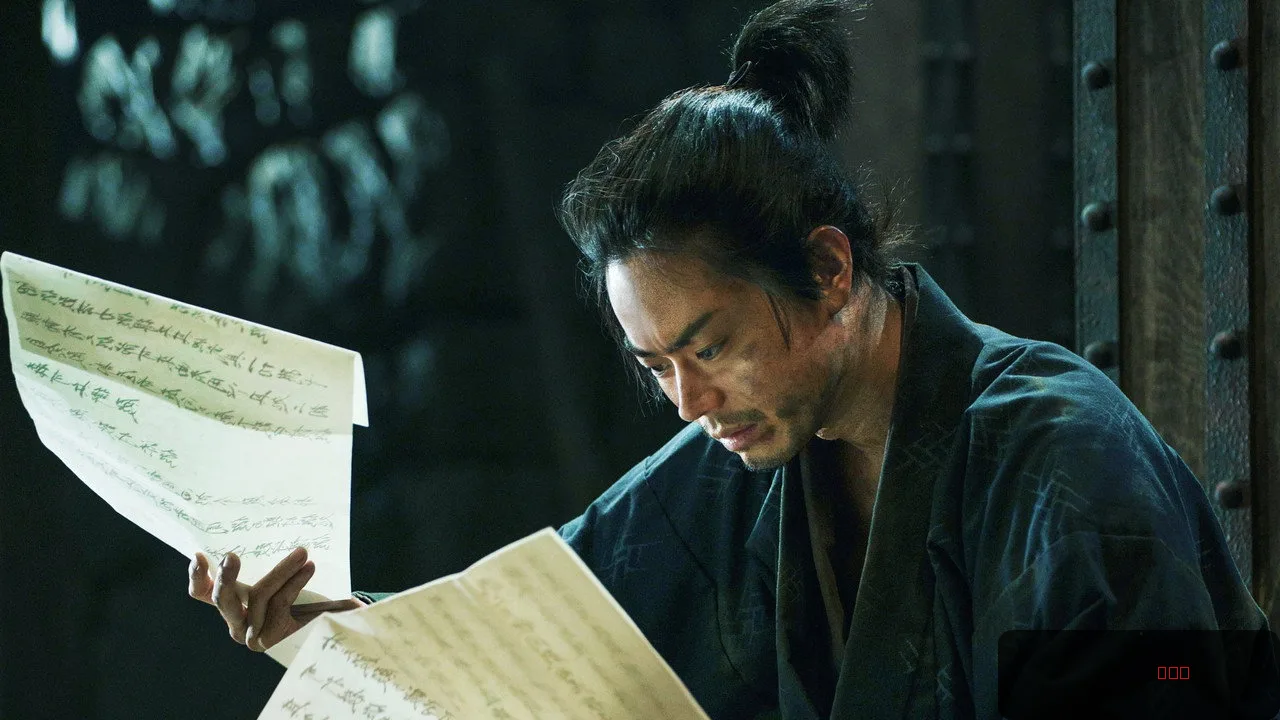
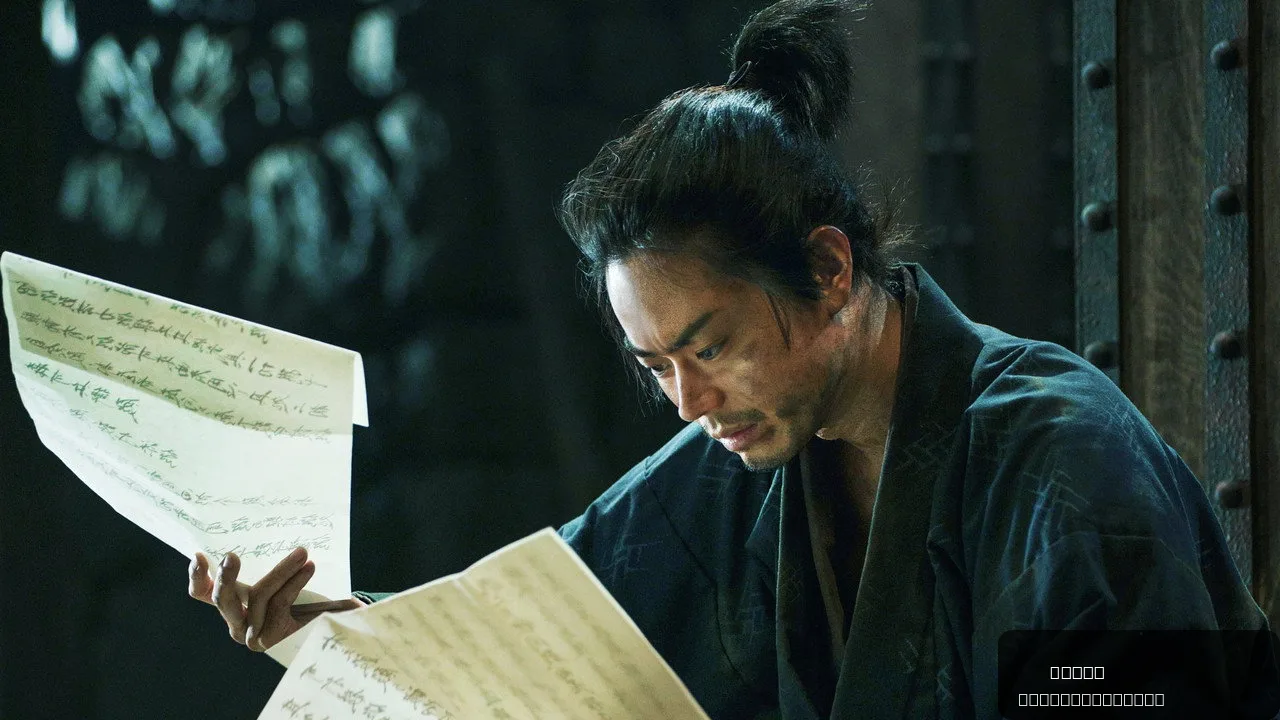
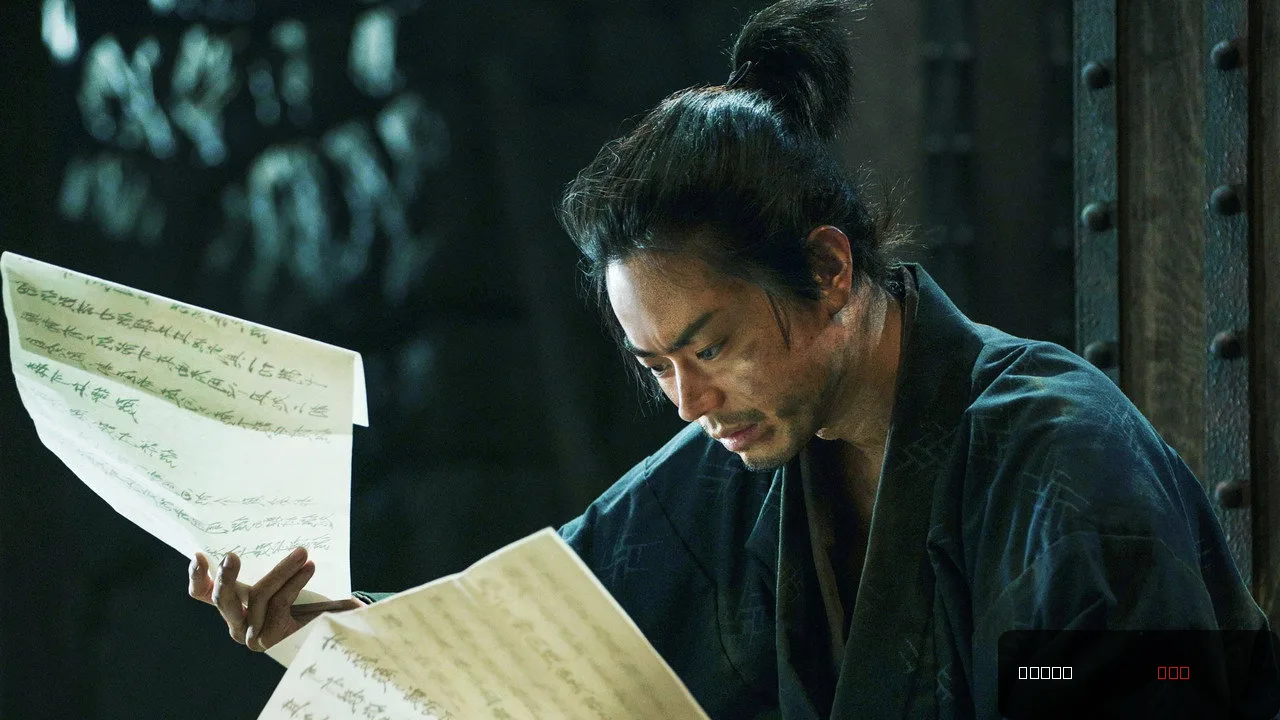
The Samurai and the Prisoner drops you inside Arioka Castle during the Sengoku period — one of the most volatile stretches in Japanese history — where the lord Araki Murashige has just made the worst possible bet: open rebellion against the warlord Oda Nobunaga. The castle is sealed. There's no escape, no reinforcements, and now, to make things worse, a murder. Paranoia spreads through the fortress like smoke, and Murashige — desperate, cornered, not quite rational — turns to the one person who might actually be able to help: Kuroda Kanbei, the brilliant military strategist he's had rotting in the dungeon. What follows is a psychological chess match between a man with all the power and a man with none of it, set against the backdrop of a siege that neither of them can win alone. Based on Honobu Yonezawa's 2021 novel, which won the Naoki Prize — Japan's most prestigious award for popular fiction — this is less a samurai epic and more a confined whodunit dressed in period armor.
How The Samurai and the Prisoner came together — cast, production, and Cannes
The Samurai and the Prisoner is a Shochiku and TBS production, directed and written by Kiyoshi Kurosawa — the same filmmaker behind Cure, Pulse, and Creepy, none of which are remotely set in the 16th century. That's the first thing worth flagging. Kurosawa's reputation is built on contemporary dread, on the way modern Japan hums with unease beneath its surface. Stepping into jidaigeki (period drama) territory is a genuine departure, and he's said this is his most ambitious feature to date, a claim first reported when the project was announced at the European Film Market in February 2026.
Masahiro Motoki plays Murashige, the besieged lord — a role that demands someone who can project authority while visibly unraveling, and Motoki delivers exactly that. Masaki Suda takes on Kanbei, the imprisoned strategist, and the dynamic between them is the film's engine. Yuriko Yoshitaka plays Chiyoho, Murashige's wife, whose role turns out to be more structurally significant than a first glance suggests. The supporting cast includes Munetaka Aoki, Ryota Miyadate, Tasuku Emoto, Joe Odagiri, and Yūsuke Santamaria — a serious ensemble by any measure. Cinematography is by Yasuyuki Sasaki, with a score from Yoshihiro Hanno.
The film premiered at the 2026 Cannes Film Festival under its Japanese title Kokurojo, in the Competition section — a meaningful distinction. Janus Films acquired all U.S. rights, the same distributor that handled Drive My Car, which tells you something about how the film is being positioned internationally. A Japanese theatrical release through Shochiku is set for June 19, 2026. The 147-minute runtime — just under two and a half hours — signals that Kurosawa isn't rushing anything.
Why The Samurai and the Prisoner stands apart from other period dramas
Honestly, the easiest way to misread this film is to expect swordplay. Critics who saw it at Cannes were quick to note that the structure owes more to Agatha Christie than to Akira Kurosawa (no relation). Variety reported that Motoki's performance is a standout, and The Hollywood Reporter praised the film's theatrical staging and its subtly anti-war reframing of a story most Japanese audiences already know from the history books. Rotten Tomatoes' early critical consensus calls it a "masterwork in form and function" — strong language, but the reviews back it up.
What's striking is that Kurosawa uses the locked-castle setting the way he's always used confined spaces in his contemporary work: as a pressure chamber for psychological collapse. The four seasonal mysteries that structure the film (a detail from Yonezawa's novel) give it an almost episodic rhythm — each one tightening the screws a little further. The anti-bushidō thread running through the film is worth paying attention to. This isn't a story that romanticizes samurai loyalty; it's one that asks what loyalty actually costs, and who pays.
I keep coming back to the central dynamic: a lord who holds all the physical power but none of the answers, and a prisoner who holds all the answers but none of the power. That inversion is the film's real subject. Suda plays Kanbei with a stillness that makes you forget he's in a dungeon — the man is clearly the most dangerous person in the castle, and everyone in the room knows it.
Where to stream The Samurai and the Prisoner online
The Samurai and the Prisoner is currently available on major OTT services — check the Where-to-Watch widget at the top of this page for the most current platform listings, since streaming rights can shift quickly after a theatrical run. Movie OTT tracks availability across major streaming platforms as distribution details are confirmed and updated, so if the film isn't on your preferred service yet, it's worth bookmarking the page. Janus Films' U.S. acquisition signals a theatrical-first rollout in North America, which typically precedes a streaming window by several months. Movie OTT will flag the moment a confirmed streaming date is announced, whether that lands on a subscription service or a digital rental platform — no guesswork required.
Frequently asked questions
Q: Where can I watch The Samurai and the Prisoner?
The film is currently available on major OTT services, with platform-specific details tracked in the Where-to-Watch widget on this page. Movie OTT updates streaming availability as new rights deals are confirmed, so check back for the latest.
Q: Who directed The Samurai and the Prisoner?
Kiyoshi Kurosawa wrote and directed the film. He's best known for psychological thrillers and horror — Cure and Pulse among them — making this Sengoku-period mystery a notable shift in his career.
Q: Is The Samurai and the Prisoner based on a true story?
It's based on Honobu Yonezawa's 2021 novel of the same name, which won the Naoki Prize. The historical figures — Araki Murashige, Kuroda Kanbei, Oda Nobunaga — are real, but the murder mystery at the story's center is fictional.
Q: How long is The Samurai and the Prisoner?
The film runs 147 minutes, or roughly two hours and twenty-seven minutes. It's a substantial watch, but the four-mystery structure keeps the pacing from dragging.
Q: Did The Samurai and the Prisoner premiere at Cannes?
Yes. It had its world premiere at the 2026 Cannes Film Festival in the Competition section, under the Japanese title Kokurojo. Early critical reception was strongly positive, with reviewers praising both Motoki's lead performance and Kurosawa's genre-blending approach.
Who should watch The Samurai and the Prisoner
This one's for viewers who want a period film that earns its runtime — not through battle sequences, but through the slow, mounting pressure of a mystery that can't be solved without trust. Fans of Drive My Car or Shoplifters will find the pacing familiar and rewarding. Hard to say if casual viewers expecting samurai action will be patient enough for it, but those who sit with it will find something genuinely unusual: a Sengoku-era locked-room mystery with real psychological bite. Don't skip it. Movie OTT will keep the streaming details current as the international rollout develops.