






The story of The Seven Minutes
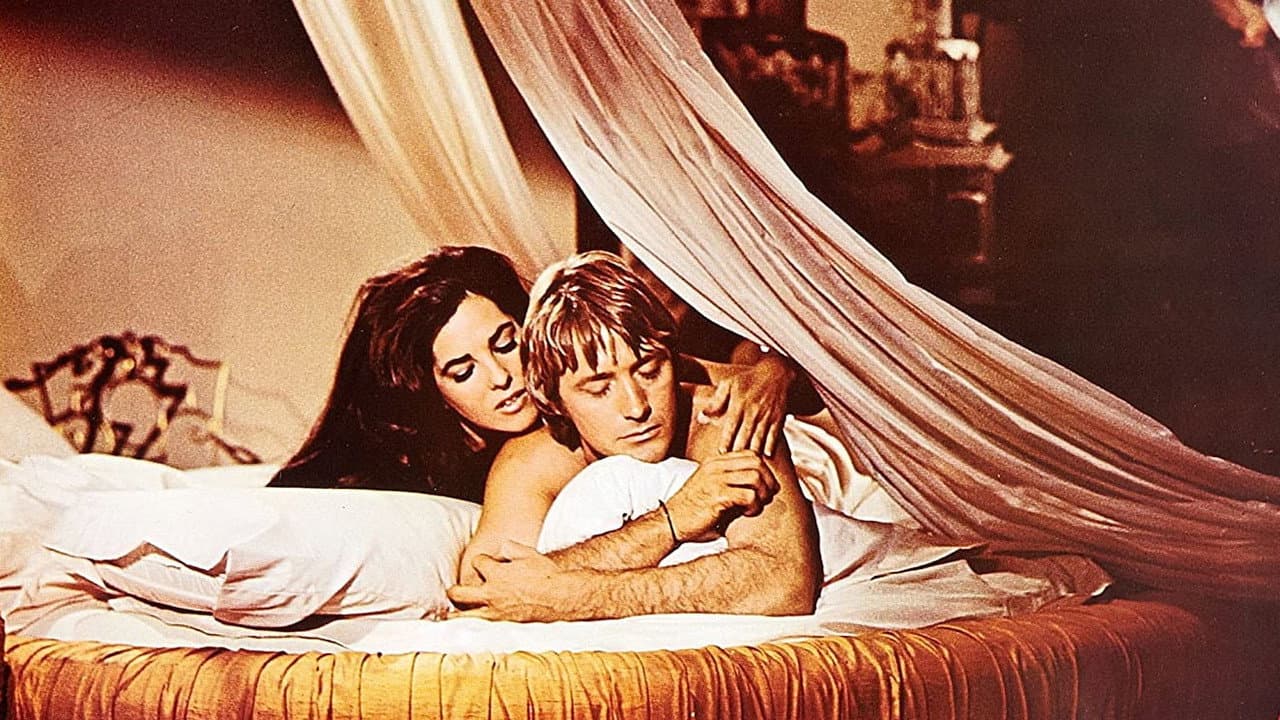
The Seven Minutes follows a deceptively simple premise: a bookstore clerk gets arrested for selling a book deemed obscene, and suddenly the entire machinery of the legal system grinds into motion. But this isn't really about one man's mistake—it's about power. The defense attorneys dig deeper, trying to uncover who originally published this supposedly dangerous novel and why it's become a flashpoint in a heated election cycle. What starts as a straightforward indictment spirals into something far messier: a collision between free speech, political ambition, and the question of who gets to decide what's dangerous enough to ban.
Behind the making of The Seven Minutes
The Seven Minutes arrived in 1971 as an adaptation of Irving Wallace's 1969 bestseller, published by Simon & Schuster just two years earlier. Wallace's novel had already sparked considerable debate about obscenity and censorship—the kind of book that made parents nervous and librarians defensive. 20th Century Fox and Russ Meyer Productions brought the material to screen during a genuinely turbulent moment in American cinema. This was the era when the old studio system was fracturing, when filmmakers were pushing harder against MPAA restrictions, and when the counterculture's questions about authority were bleeding into mainstream entertainment.
Russ Meyer, known for his provocative sensibility, wasn't an obvious choice for a courtroom procedural, but he brought an outsider's energy to what could've been a stodgy legal drama. The film's 111-minute runtime gives it room to breathe—to let arguments unfold, to show the machinery of the law actually grinding away. Meyer assembled a cast with real pedigree: solid character actors who understood how to make a scene about testimony and cross-examination feel urgent rather than academic. The film arrived with the tagline "The Best Seller They Damned and Banned," which tells you everything about how the studio wanted audiences to see it: as a film about the very forces it was depicting.
What makes The Seven Minutes stand out
Honestly, what's striking about The Seven Minutes is how it refuses to make the trial simple. You might expect a clear-cut good-guy-versus-bad-guy structure, but Meyer and Wallace seem more interested in showing how messy these debates actually are—how reasonable people can disagree, how political pressure warps legal proceedings, and how the question "Is this book obscene?" doesn't have an obvious answer. The defense attorneys aren't saints; the prosecutors aren't cartoonish villains. Everyone's working with incomplete information and genuine uncertainty.
The performances anchor the whole enterprise. These aren't showy turns—they're the kind of acting that disappears into the material, the kind where you believe these people actually care about the outcome. What's remarkable is how the film treats the actual legal arguments with respect. It doesn't condescend to the courtroom scenes. When someone's making a point about the First Amendment or the definition of obscenity, the camera holds on their face, and you get the sense that Meyer understands this stuff matters. There's real intellectual tension here, even if the film's overall reception has been mixed (it sits at 5.8 on IMDb—respectable but not beloved).
I keep coming back to the film's central contradiction: it's about a book that's supposedly dangerous, but the film itself is asking you to think carefully about whether banning things actually protects anyone. That's not a comfortable position to occupy, and the movie doesn't let you off the hook.
How to stream The Seven Minutes online
The Seven Minutes is available on major OTT services, and you can check the where-to-watch widget at the top of this page to see which platforms currently have it in your region. Streaming rights shift constantly—what's available today might move tomorrow—so Movie OTT tracks those changes in real time. The 111-minute runtime means it's a manageable watch if you're planning a weeknight viewing, though you'll probably want to give it your full attention; the courtroom dialogue moves fast, and you don't want to miss the legal arguments that drive the plot forward.
Frequently asked questions
Q: Is The Seven Minutes based on a true story?
No, it's an adaptation of Irving Wallace's 1969 novel, which was itself a work of fiction exploring obscenity and free speech debates. However, the themes Wallace tackled—censorship, book banning, political pressure on the legal system—were very much rooted in real cultural conflicts happening in the late 1960s.
Q: Who directed The Seven Minutes?
Russ Meyer directed the film. Meyer was known for provocative material and an outsider sensibility in Hollywood, which he brought to this courtroom drama in 1971.
Q: What's the runtime, and is it a long watch?
The film runs 111 minutes, which is just under two hours. It's long enough to develop its legal arguments without feeling bloated, though the pacing depends on how engaged you are with courtroom procedurals.
Q: Why is the book in the film called "The Seven Minutes"?
The title refers to the supposedly obscene passages in the novel—the idea being that just seven minutes of reading material was deemed dangerous enough to warrant prosecution and censorship.
Q: Is this film still relevant today?
Absolutely. Questions about what should be banned, who decides, and whether censorship actually protects people are as live now as they were in 1971. The specific focus on books and obscenity might feel dated, but the underlying tension between free speech and regulation remains urgent.
Final thoughts on The Seven Minutes
The Seven Minutes won't blow your mind with technical wizardry or narrative innovation. It's a 1971 courtroom drama, and it wears that identity proudly. But if you're interested in how cinema engages with real ideas—how a film can take a legal argument seriously without becoming a lecture—it's worth your time. The film trusts its audience to follow complex debates and form their own opinions. In an era of increasingly polarized media, that kind of intellectual generosity feels rare. Whether you find it compelling or dated probably depends on your patience for procedural storytelling, but either way, it's a genuine artifact of a specific moment in American cinema and American culture.