The story of The Square Ring
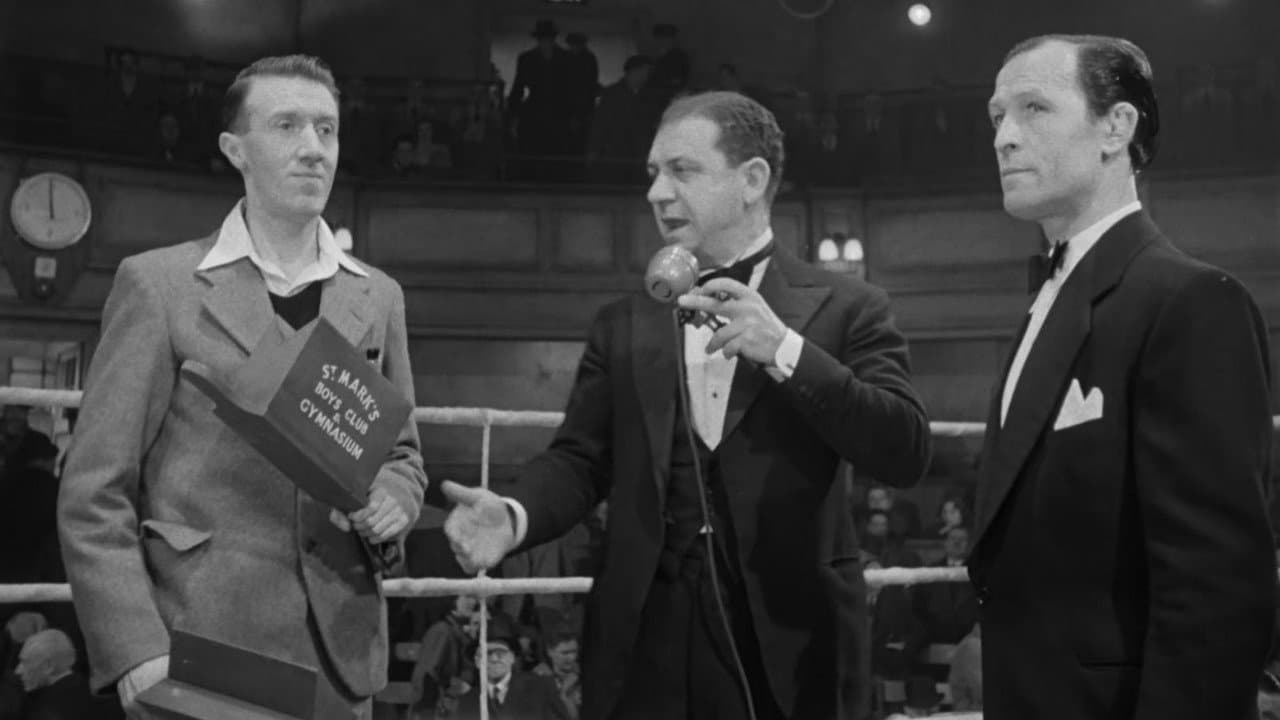
The Square Ring is a 1953 British boxing drama that takes you inside the world of a fairly seedy boxing venue for one pivotal night. Rather than following a single protagonist's journey to glory, the film interweaves the stories of five different fighters—each with their own reasons for lacing up gloves and stepping into the ring. Some chase redemption. Others need the money. A few are running from something. What emerges isn't a conventional sports narrative about triumph, but something messier and more human: a portrait of desperation, ambition, and the gap between what we want and what we actually get. The tagline promises "A Knockout!"—and while there's boxing action, the real impact comes from watching these men and the women behind them collide with their own choices.
Behind the making of The Square Ring
The Square Ring was directed by Basil Dearden and made at Ealing Studios, the legendary British production house known for socially conscious dramas and comedies. The film was adapted from a 1952 stage play by Ralph Peterson, which gave it a theatrical foundation—you can feel that ensemble-piece DNA throughout, with the venue itself almost functioning as a character. The cast includes Jack Warner, Robert Beatty, and Maxwell Reed, actors who brought credibility to British cinema during the postwar era. Warner, in particular, was a fixture in British film and television, lending the production a sense of authenticity and gravitas.
Ealing Studios in the early 1950s was at a fascinating crossroads. The studio system was shifting; television was beginning to threaten cinema attendance. Yet Ealing continued producing films that felt urgent and socially grounded—not escapist fantasies, but stories about ordinary people in extraordinary circumstances. The Square Ring fits that mold perfectly. At 83 minutes, it's lean and efficient, the kind of runtime that lets a story breathe without overstaying its welcome. While specific box-office figures for the film aren't widely documented today, it remains part of Ealing's distinguished catalog, a period when British cinema was genuinely competitive with Hollywood on a creative level—even if it couldn't match the studio's financial muscle.
What makes The Square Ring stand out
What's striking about The Square Ring is its refusal to sentimentalize boxing or the men who fight. This isn't Rocky or Raging Bull—it's something closer to a social document, a tragicomedy that finds dark humor in the gap between aspiration and reality. The film treats its five fighters with equal weight, which was a bold structural choice for 1953. You don't get a protagonist you're meant to root for from frame one; instead, you're asked to understand each man on his own terms, to sit with the complexity of why someone would risk their health and dignity for a purse and a chance at something better.
The performances anchor the film without melodrama. These aren't showy turns—they're the kind of understated work that British cinema of the era did exceptionally well. There's a scene (I won't spoil which) where one fighter realizes his night won't go the way he'd hoped, and the actor conveys an entire emotional collapse in a look. That's the film's strength: it trusts you to read the subtext, to understand desperation without being hit over the head with a violin swell.
The film also captures something about post-war Britain—a sense of institutions creaking, of working-class men trying to carve out dignity in a system that doesn't always offer it. Boxing becomes a metaphor, sure, but it's also just boxing: a real job for real people with real rent to pay. When you watch The Square Ring on Movie OTT, you're getting a window into a particular moment in British social history, filtered through the lens of a sport that's always been about survival.
Where to stream The Square Ring online
The Square Ring is available on major OTT services, and if you're hunting for it, the streaming availability widget at the top of this page will show you exactly where it's currently playing. Streaming catalogs shift—platforms add and drop titles constantly—so it's worth checking that widget to confirm the film is available on your preferred service before you settle in. If you're already subscribed to a major streaming platform, there's a decent chance The Square Ring is waiting for you there. Movie OTT tracks current streaming availability across these services, so you won't waste time clicking around trying to find it.
Frequently asked questions
Q: Who directed The Square Ring?
Basil Dearden directed The Square Ring in 1953. Dearden was a significant figure in British cinema, known for socially conscious dramas made at Ealing Studios during the postwar era.
Q: Is The Square Ring based on a true story?
No, The Square Ring is based on a 1952 stage play by Ralph Peterson, not a true story. However, the film captures authentic details about the boxing world and working-class life in 1950s Britain.
Q: How long is The Square Ring?
The film runs 83 minutes, making it a lean, efficient drama that doesn't overstay its welcome while still developing five separate character stories.
Q: What's the plot of The Square Ring?
The film follows five different boxers and their reasons for fighting during one night at a struggling boxing venue. Rather than a single hero's journey, it's an ensemble piece that explores desperation, ambition, and the lives of the women behind these men.
Q: Where can I watch The Square Ring?
The Square Ring is currently available on major OTT streaming services. Use the Where to Watch widget at the top of this page to find which platform has it in your region.
Final thoughts on The Square Ring
If you're looking for a boxing film that doesn't follow the usual underdog-triumph formula, The Square Ring is worth your time. It's a character study masquerading as a sports drama, a film that trusts its ensemble cast and its audience to find meaning in small moments and sideways glances. The IMDb rating of 7.0+ reflects its enduring quality—not flashy, but solid and human. It won't give you the catharsis of a knockout victory; instead, it'll give you something harder to shake: a genuine understanding of why these men fight, and what they stand to lose.